
 As lawmakers in Baltimore grapple with the potential implications of new data centers, Johns Hopkins University is forging ahead with a significant expansion of its own computing infrastructure, a project valued at $192 million. This development comes at a time when the city is contemplating a temporary halt on the construction of new, large-scale data centers.
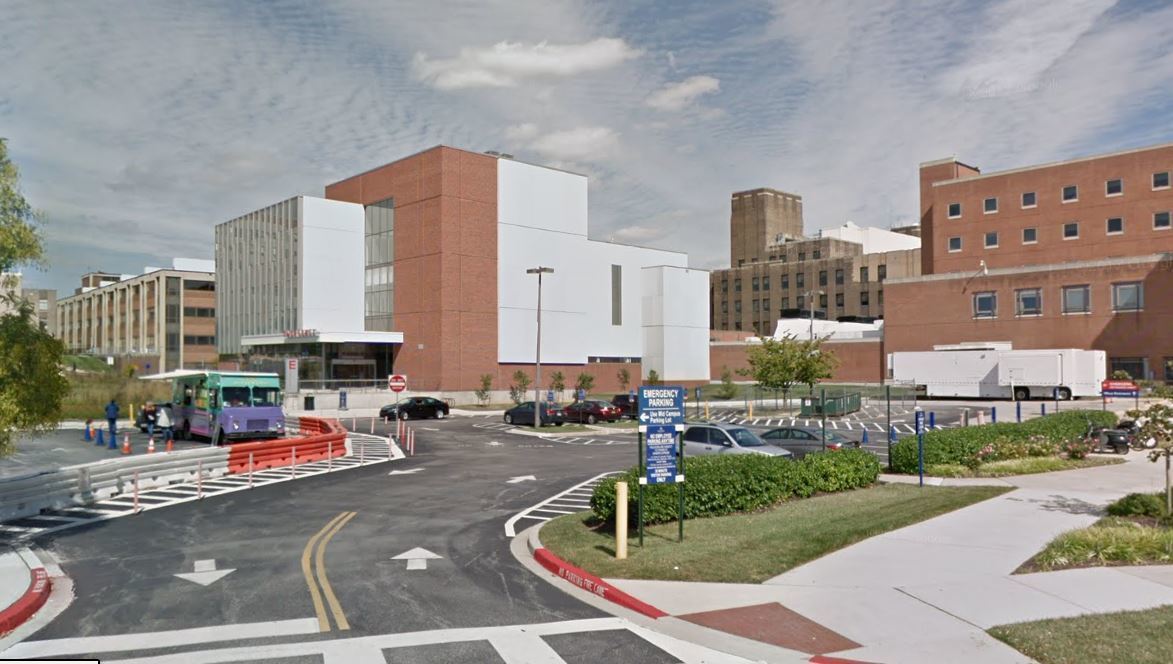
The Maryland Board of Public Works recently greenlit $9.04 million in state funding for a new 25,000-square-foot data center slated for the Johns Hopkins Bayview campus. This allocation, detailed in board documents, is earmarked to bolster the computing capacity of the university's Advanced Research Computing at Hopkins (ARCH) program. Previously known as the Maryland Advanced Research Computing Center, the Bayview-based facility has been a cornerstone of research support across Baltimore since its inception in 2015.
Data Center Debate Heats Up in Baltimore
The timing of this state funding approval is particularly noteworthy, as the Baltimore City Council is simultaneously advancing legislation that proposes a temporary moratorium on new data center construction. The proposed bill specifically targets facilities with a capacity of 10 megawatts or higher, defining anything below this threshold as not falling under the purview of a "data center" for the purposes of the legislation.
This legislative push is fueled by concerns voiced by various stakeholders, who argue that the proliferation of data centers poses significant threats to Maryland's climate objectives, the stability of its electrical grid, and the affordability of utility services for residents. During a recent Land Use Committee hearing, critics of data centers urged city leaders to adopt a more comprehensive perspective on the long-term ramifications these facilities could have on the city's infrastructure and its inhabitants.
Residents Voice Strong Opposition to Data Center Growth
Baltimore resident Raychel Gadson was among those who implored city officials to consider the broader, long-term impacts. "Tech is outpacing regulation. It’s outpacing city, state and local government," Gadson stated, emphasizing the rapid advancement of technology relative to governmental oversight. "It’s outpacing our power grids. It’s outpacing what we as people are prepared to understand and participate in as informed consumers."
Gadson advocated for a thorough examination of how large-scale data centers might affect energy costs and the overall quality of life for Baltimore residents before any new projects are permitted to proceed. She stressed the necessity of a holistic approach to regulation, stating, "The only way we regulate this to make sense for people, for cities, for our bills, which are outrageous, is by looking really comprehensively at the impact of data centers."
Furthermore, Gadson questioned the public benefit derived from data centers in proportion to their substantial energy demands. She characterized facilities that serve computing needs rather than people, employing minimal staff, as a form of "extortion." "When a company builds a center that is for computers and not for people, that only employs a small number of people or even almost no people, that’s not an investment in a city — that’s extortion," she asserted. "That’s them raising our bills and forcing us to pay for their profits."
Over the course of the hearing, numerous residents articulated concerns spanning from increased power bills to potential impacts on public health. Brittany Baker, the Maryland director for the Chesapeake Climate Action Network, declared that data center facilities represent a clear danger to greenhouse gas emission reduction goals, ratepayers, water resources, public health, and the working class.
Baker further warned that Maryland currently lacks adequate regulatory frameworks to effectively manage the burgeoning growth of energy-intensive data centers. She argued that allowing projects to move forward during a moratorium period would grant developers undue political leverage to influence the regulatory process. Despite these strong criticisms, Baker's organization has endorsed the version of the bill that emerged from the committee.
A Wave of Moratoriums Across Maryland Counties
Baltimore's proposed moratorium is not an isolated initiative; it aligns with similar actions taken by other counties in Maryland. Both Baltimore and Carroll counties enacted one-year moratoriums on data centers in February. More recently, Montgomery County introduced its own one-year moratorium on data center developments.
Johns Hopkins University's Perspective on Expansion
In response to the growing debate, Johns Hopkins University has provided further details regarding its Bayview expansion plans. The university maintains that the project is designed to accommodate the escalating research requirements across its various campuses. This includes supporting burgeoning life sciences and biomedical research efforts in East Baltimore, as well as the university's new Data Science and Artificial Intelligence Institute located in Remington.
A university spokesperson affirmed the project's purpose: "With support from the State of Maryland over the past two years, we will meet JHU’s current and future research needs." The spokesperson elaborated that the new facility will be instrumental in supporting "data-intensive" research across a wide array of disciplines, such as public health, engineering, astronomy, and artificial intelligence. A key aspect of the design, they added, is the incorporation of advanced cooling technologies aimed at minimizing energy waste.
The university also clarified that its under-construction Data Science and Artificial Intelligence Institute in Remington is distinct from a data center and is not anticipated to consume electricity beyond that of a typical academic building.
The proposed moratorium legislation continues to be a subject of discussion and consideration by the Baltimore City Council.


No comments:
Post a Comment