
How the jet fuel crisis is set to drive £3.3billion back into the economy
Brits swapping overseas holidays for UK staycations amid the jet fuel crisis could inject £3.3billion into the UK economy.
By redirecting just 10 per cent of what they'd spend on an abroad holiday to a UK staycation, Brits could cause a boost this summer.
This could rise to £6.25billion over the year if travel disruption continues, according to new analysis from Go.Compare.
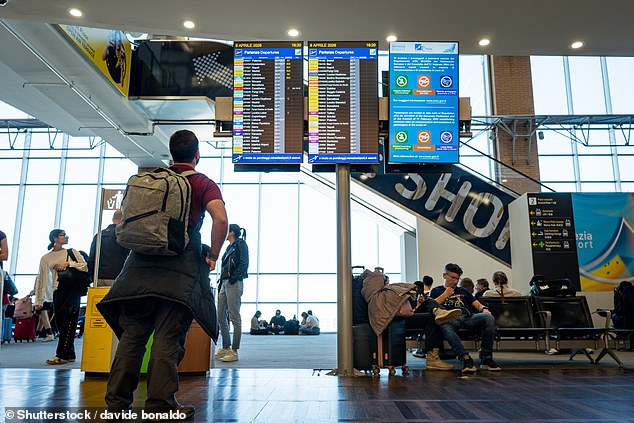
The current rise in staycations is largely driven by the ongoing jet fuel crisis, triggered by the closure of the Strait of Hormuz.
Jet fuel prices have surged 83 per cent in a month, pushing up airline costs and driving more households to holiday at home.
With the International Air Transport Association (IATA) revealing that jet fuel prices are expected to stay high for months, the shift to domestic getaways is set to continue.
Go.Compare's analysis of ONS, VisitBritain and ABTA data found that the Southwest, London and Scotland could gain the most this summer as more UK households holiday at home.
Travel disruption is expected to hit the hardest during the peak UK-leisure travel season, meaning the current surge of UK staycations is likely to continue through to September.
Data from VisitBritain reveals that the Southwest historically takes around 21 per cent of Great Britain's holiday spend, followed by London (12 per cent), Scotland (11.5 per cent) and the Northwest (10.5 per cent).
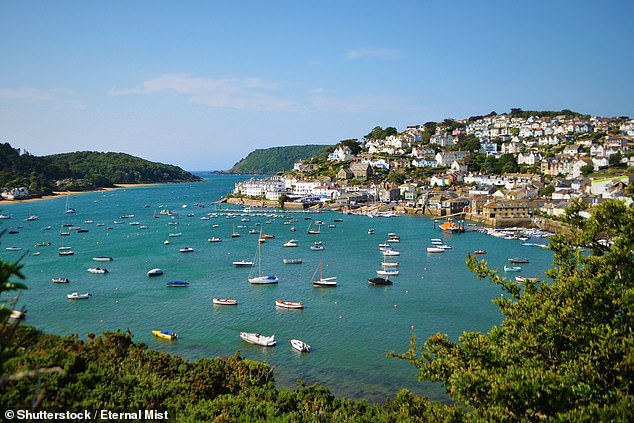
This suggests the UK travel industry could see an uplift in tourism to coastal Cornish escapes, rugged Scottish Highlands and the rolling Yorkshire Dales, alongside an increase in city breaks to London or Edinburgh.
The rise in staycations presents a clear economic advantage for the UK.
Data from ONS and VisitBritain reveals the average spend per trip on an overseas holiday is £823, compared to £370 on a UK staycation.
This means that £453 remains in the UK economy per trip.
Therefore, a household that opted for a staycation spends roughly 45 pence per £1 in the UK that they would have spent abroad.
This frees up extra spending money for fuel, food and days out - which recirculates in the UK economy.
While the economy may reap the rewards of an increase in staycations, it's important for UK holidaymakers to be well-prepared.

Rhys Jones, travel insurance expert at Go.Compare, said: 'With the costs of overseas travel continuing to rise, more people are opting for staycations and UK breaks as a more affordable way to get away.
'Domestic holidays can help cut costs, but many travellers might overlook the importance of UK travel insurance.
'Travel insurance for UK trips can work differently to overseas cover, so it's important to understand what's included, especially when it comes to cancellation, lost luggage and accommodation costs if your plans change unexpectedly.'
UK travellers need to be aware that you're usually only covered if you spend two consecutive nights in booked accommodation.
This means that a spontaneous night away, a weekend with your in-laws or even some camping trips (if you didn't book qualifying accommodation) might not be covered.
Plus, every insurer has different stipulations; some policies only kick in when you're more than 25 miles away from home.
UK travel insurance isn't a specific policy, so you'll need to check what you're covered for under your regular travel insurance.
UK travel insurance can also be cheaper than overseas cover, as there's no need for emergency repatriation back to the UK, journeys are often shorter and simpler, and medical costs may be lower due to access to the NHS.
It's worth checking the terms and conditions of your policy before you travel, so you're not caught out.
Also, cancellation cover is the most-claimed benefit in the UK – make sure it’s on your policy.
Read more
Post a Comment for "How the jet fuel crisis is set to drive £3.3billion back into the economy"