
Parents and educators resist SD8's Indigenous education reforms in Nelson schools
Concerns Over Changes to Indigenous Education in School District 8
Families, teachers, and educators across School District 8 (SD8) in British Columbia’s Kootenay region are expressing deep concerns about the planned changes to Indigenous education. The proposed modifications could result in the removal of trusted support systems that have been established within schools.
Starting in September, elementary schools and one middle school in SD8 will no longer have dedicated Aboriginal Academic Success Support (AAAS) teachers. Instead, the district plans to introduce Indigenous support workers as part of an initiative aimed at improving student support, family connection, and a sense of belonging.
AAAS teachers play a critical role in teaching, assessment, and academic programming, while Indigenous support workers focus on relationship-based support, including family communication, identity, cultural safety, and learning. This shift has sparked significant debate among parents, teachers, and community members.
Skye-Lea Farr from Nelson has voiced her concerns about what students might lose when they return to school in September. "The one major concern is the fact that so much will be lost from the lack of the teachers that are leaving, that respect and trust and community work that has been built up and also that once that’s gone, there’s nothing," she said.
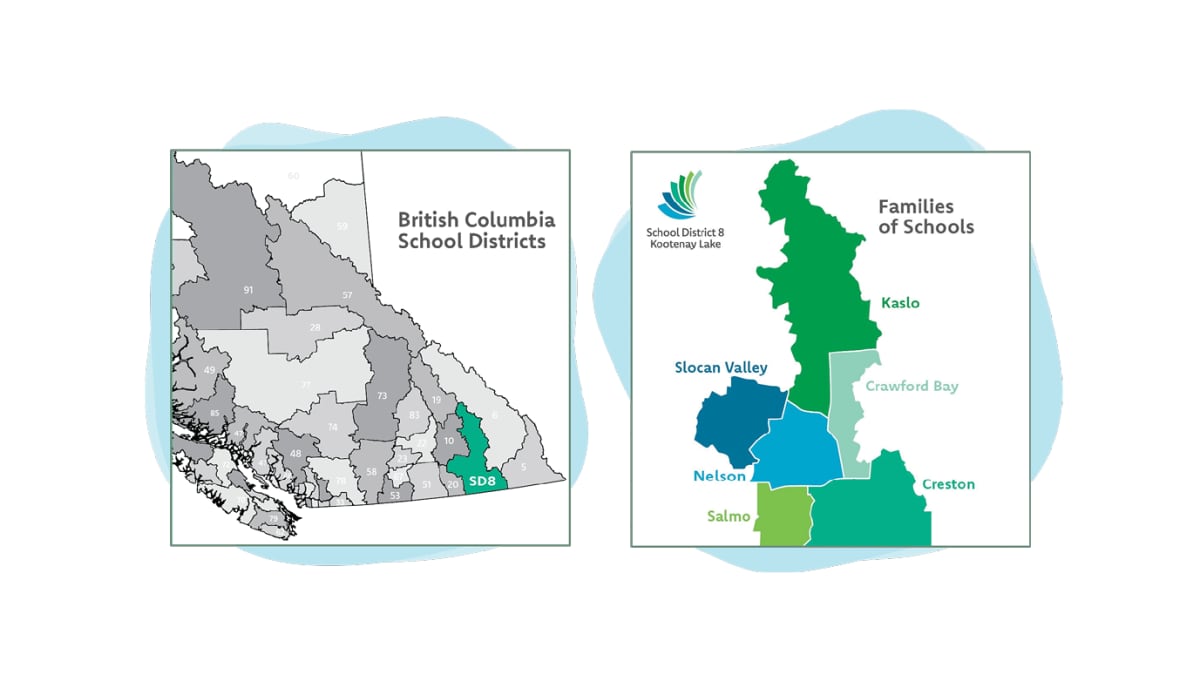
The changes have created tension across the district, which serves approximately 4,700 students across six municipalities and more than 15 rural communities spread over 15,000 square kilometers. "They just made the decision and they told the teachers these are no longer positions," Farr explained.
Families Worried About What Students Could Lose
Farr has initiated an online petition, which has gathered over 600 signatures, opposing the change. At a heated school board meeting, parents, teachers, and union representatives urged the district to reconsider the decision.
Middle school teacher Sharon Inkpen read a letter on behalf of staff opposing the change. She emphasized that the AASS teacher has helped build trust, a sense of belonging, and cultural learning over the past five years. "This work is deeply local and cannot be replaced by a district-wide model," she argued.
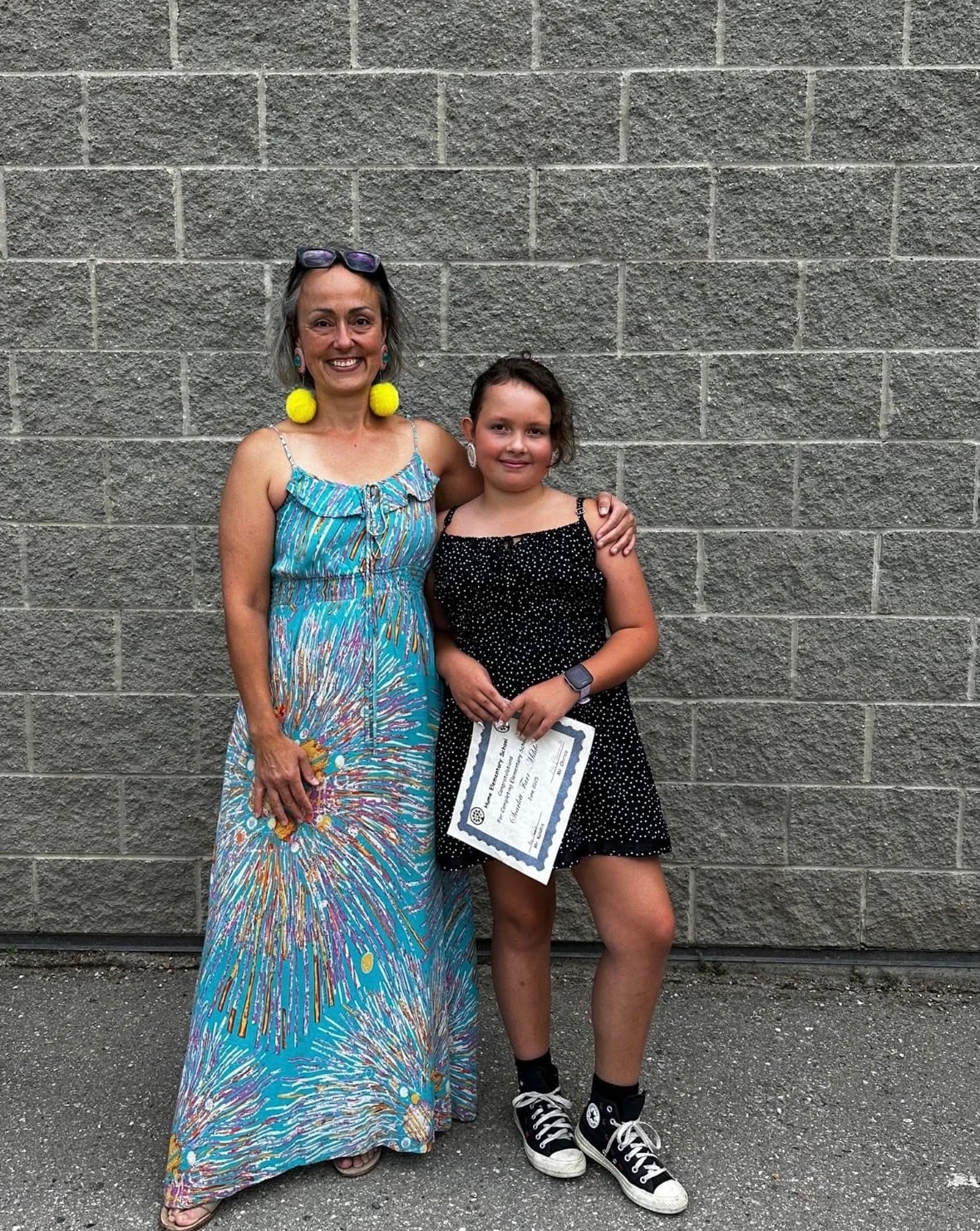
These fears are echoed by Farr, who is Interior Salish from near Lytton, B.C. She described the change as deeply personal. Her nine-year-old daughter has been part of the Indigenous education program since kindergarten. Farr noted that the current model has fostered trust through cultural programming, land-based learning, family connections, and school-based support.
"Kids from all different backgrounds come in, and it’s just a safe place," she said. Another key difference, according to Farr, is that teachers can lead activities independently both inside and outside the classroom, something support workers cannot do.
"Indigenous teachers do marches with the kids, bring whole busloads of kids to powwows, make regalia and teach traditional skills they might not otherwise get to learn."
Carla Wilson, president of the Nelson District Teachers’ Association, highlighted the distinct roles of Indigenous teachers and support workers. In her view, students stand to lose teacher-led cultural learning, curriculum-based support, and the broader role these educators play in connecting schools with families and local elders.
"These are teachers who go into these kinds of positions, are very passionate about it. They want to pass on their teachings." Wilson also raised concerns about staffing, suggesting there could be gaps in support if the district cannot hire enough qualified Indigenous support workers before September.
District Says New Model Will Enhance Support
Laury Carrière, the district's director of instruction for Indigenous education and learning services, stated that every secondary school will continue to have Aboriginal Academic Success teachers. However, in elementary schools and one middle school, she explained, "the focus is shifting."
Carrière said the changes are intended to increase Indigenous support workers in classrooms and strengthen Indigenous presence in schools. She noted that support workers focus on family communication, identity, belonging, cultural safety, and cultural learning, while teachers focus on instruction, assessment, and academic programming.
She added that families will notice more adults in schools, more support through adult presence, and more direct connection with families.
Jared Basil, a member of the Indigenous Education Council, sees the changes as an enhancement rather than a reduction. He described the move as a student-focused effort to improve the student experience and better connect families and communities with schools.
He also mentioned that the council is part of a broader movement toward Indigenous self-determination in education.
District officials stated that they are still developing an engagement pathway with students, families, and communities. They also mentioned that they could review the model later if it does not work as intended.
Post a Comment for "Parents and educators resist SD8's Indigenous education reforms in Nelson schools"