
Pickleball Palace Peril: Millionaire Freed, Mansion Extension Demolished
Millionaire Walks Free After Luxury Pickleball Court Dispute Lands Him in Jail
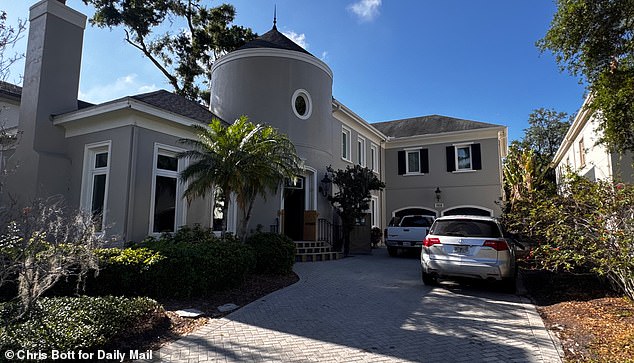
A Florida businessman, Michael Martin, has finally been released from jail after spending nearly three weeks incarcerated over a contentious backyard development that ignited a bitter, years-long feud in one of Tampa's most affluent neighbourhoods. The dispute centres around a lavish $1 million pickleball court and guest house built behind Martin's $1.8 million Beach Park residence.
Martin, a prominent real estate entrepreneur, emerged from custody on Friday, appearing visibly exhausted. His release was contingent upon his agreement to demolish the controversial structures that have been the subject of intense legal wrangling and neighbourhood outrage. The saga has not only consumed Martin's family but also deeply divided his community and drawn attention from property owners across the state.
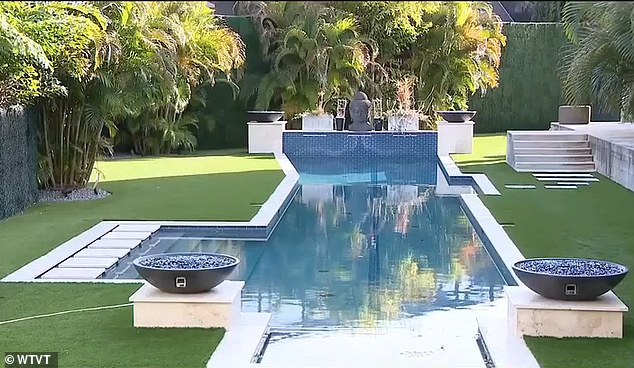
Demolition crews are slated to begin dismantling the two-story guest house, swimming pool, and pickleball court in the coming week. This extensive removal process is expected to cost Martin an additional $400,000, on top of the estimated $1 million already invested in the ill-fated project.
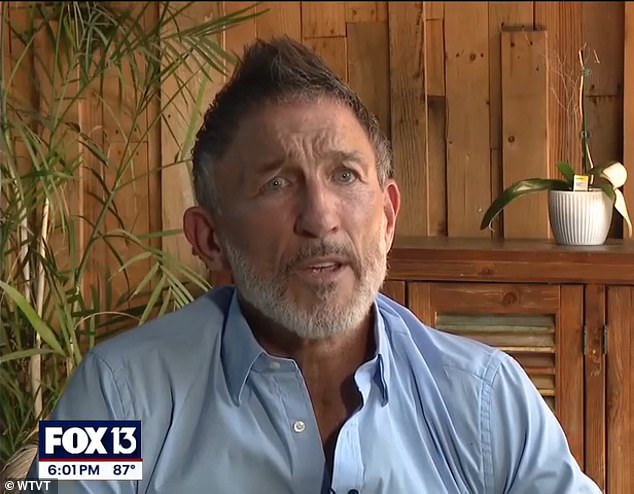
"I'm doing okay, a little tired," Martin commented to local media shortly after his release. "Lost about 12 pounds and a little run down. But it was worth it."
The Genesis of the Mansion War
This extraordinary neighbourhood conflict escalated into one of Tampa's most explosive property battles. It pitted Michael Martin against his neighbours, Barbara and Gordon Babbitt, in a protracted courtroom struggle concerning the legality of Martin's construction on the land adjacent to his mansion.
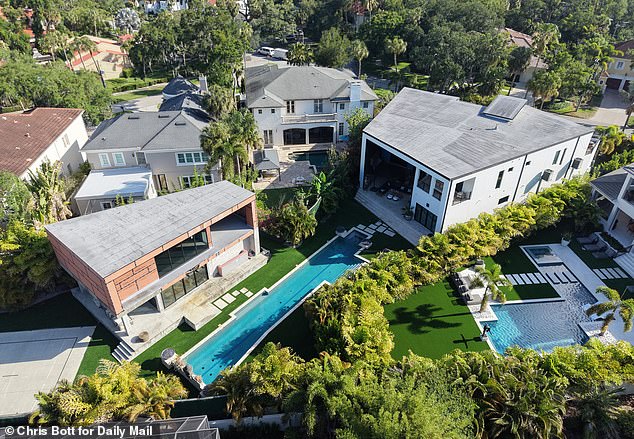
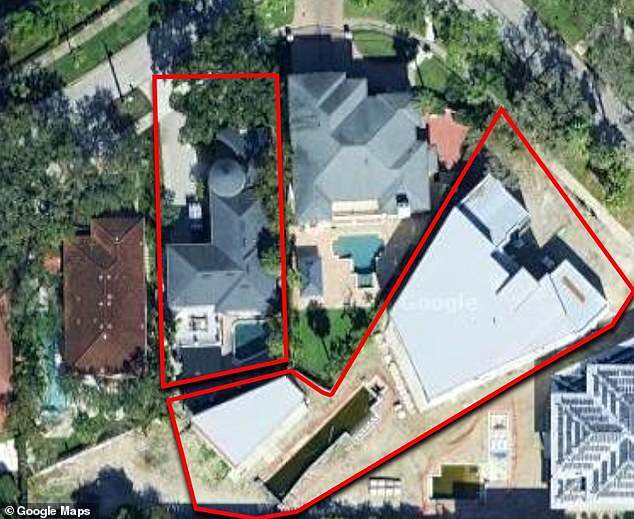
Martin maintained that he had followed all proper procedures. In 2017, he acquired adjacent land parcels and subsequently obtained city permits to construct a substantial backyard addition. This development included a luxurious guest house, a swimming pool, and a pickleball court on an area previously known as an abandoned cul-de-sac, designated as 'Block E.'
"I just thought it was kind of 'crazy town' that someone would challenge a city's permit," Martin remarked. "Everything I did was by the book. I got permits. I went to the city. I played by the rules."
However, shortly after construction commenced in 2021, the Babbitts initiated legal proceedings, filing an injunction against the project.
Neighbours' Objections and Legal Rulings
The affluent couple argued that the towering structure contravened long-standing land restrictions dating back to 1924, which designated the parcel as non-buildable. Furthermore, they claimed the expansive guest house encroached upon their property, obstructed sunlight, and diminished their enjoyment of their multimillion-dollar home. At one point, the partially constructed building featured windows that directly overlooked the Babbitts' residence.


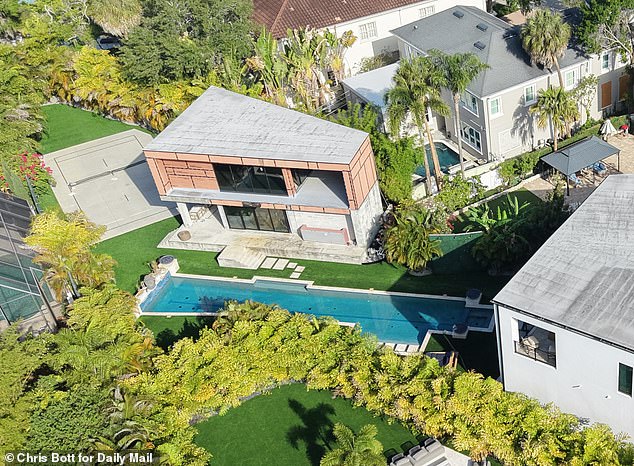
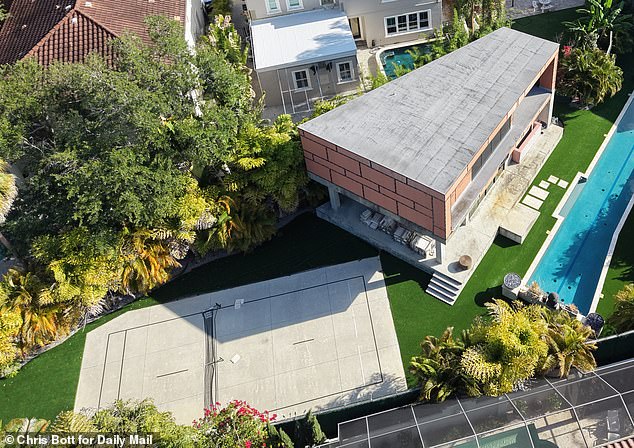
Beth Leytham of the Leytham Group, representing the Babbitts, stated, "They can't even enjoy the pool that they have."
The dispute rapidly devolved into a fierce courtroom confrontation. Martin continued with construction despite warnings that the project could be ordered demolished if the courts ruled against him. "He chose to move forward and build this 27-foot monstrosity," Leytham asserted.
In 2023, Hillsborough County Circuit Judge Christopher Nash delivered a decisive verdict in favour of the Babbitts. The judge found that the guest house violated city codes, Florida law, and the original plat restrictions governing the land. In his ruling, Nash emphasised that "the Babbitts' loss of enjoyment of their home and the loss in value that they have suffered outweighs the consequences to Mr. Martin as a result of the removal of the structure." Consequently, Martin was ordered to demolish the guest house and associated structures, restoring the land to its non-buildable status.
Defiance, Contempt, and Incarceration
Despite the court's order, Martin refused to comply. He pursued multiple appeals while allowing the structures to remain standing, insisting he had acted in good faith based on permits and approvals from Tampa city officials throughout the project. "Well, we've been in a series of appeals," Martin explained his stance. "I still have an active appeal."
This legal gamble ultimately proved to be a significant miscalculation.
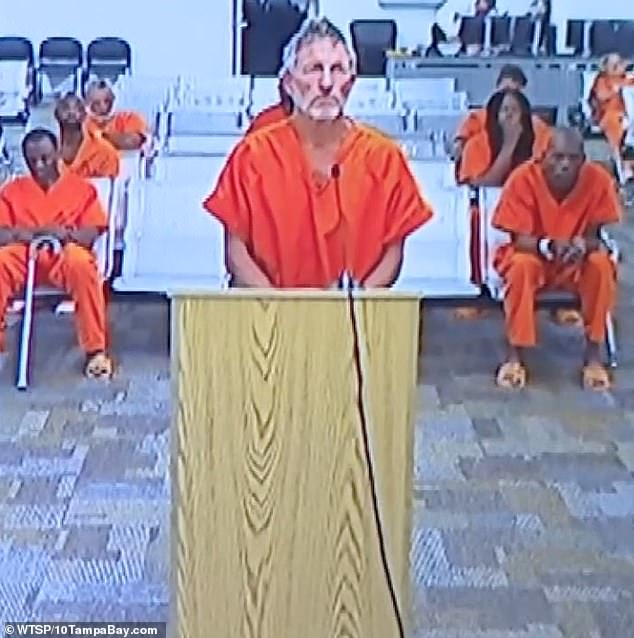

Nearly three years after the initial court judgment, Martin was found in contempt of court and taken into custody last month for persistent defiance of the demolition orders. The arrest occurred in the presence of his wife, Katherine, and their children.
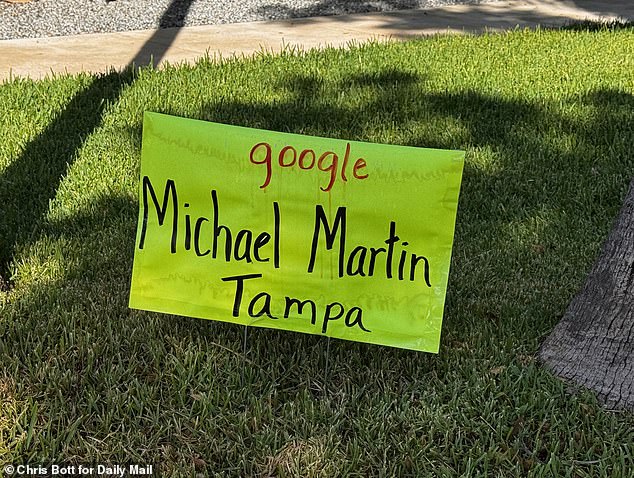
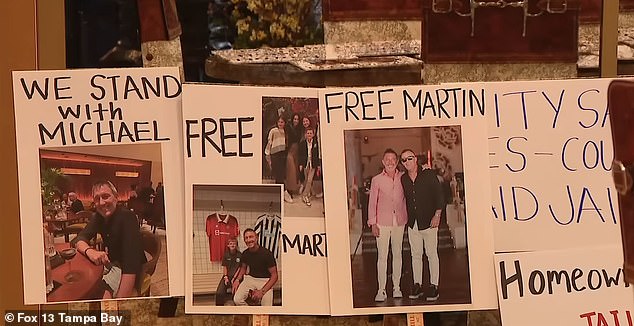
Supporters rallied outside the Martin residence, carrying signs with slogans such as "Free Martin" and "Fix the System." They argued that Martin had become a victim of systemic failure by city officials who had initially approved the construction, only for the courts to later deem it illegal.
"It's gone way too far," commented neighbour Nick Meoli. "I'd like to see this situation resolved as soon as possible in a respectful way and also in a way that makes sense for both parties."
Adding a layer of complexity to the already sensational dispute, Martin was briefly accused of bringing illegal drugs into the Hillsborough County Jail during his booking process. This felony contraband charge was later dismissed after Martin provided evidence that the pills in question were prescribed benzodiazepine medication for anxiety.
A Price Too High to Pay?
Even while incarcerated, Martin remained resolute. "I'm not done fighting," he told Fox News after his release. "I'm not throwing in the towel." However, pressure mounted as appellate courts denied his latest emergency challenge to the incarceration order.
His attorney, Sam Heller, indicated that the strain of jail ultimately became too much for Martin to bear.
According to Heller, the stress of incarceration was "too high a price" for Martin to continue resisting while his appeals were still pending. This suggests that the prospect of further confinement was the catalyst for his eventual agreement to comply.
The Road Ahead: Demolition and Blame
With Martin's release, demolition now appears inevitable. To remain out of jail, Martin is required to deposit demolition costs into a trust account. Court orders reportedly mandate complete compliance, with the threat of re-incarceration for any further non-adherence. The precise timeline for the property's restoration remains uncertain.
Meanwhile, both parties continue to assign blame for the protracted chaos. Martin has consistently asserted that Tampa officials approved every phase of his project, including ongoing inspections even after lawsuits were filed. "If this could happen to me, it could happen to anybody," Martin stated. "That you're able to do everything by the book and then somehow be ordered by the court to tear down the buildings that you built with the permission of the city."
Conversely, attorneys for the Babbitts maintain that the courts simply corrected a significant planning oversight. "I think they made a mistake," Leytham said of the city. "You or I could make a mistake, and I think that the court rectified it." She added, "He went to jail. I'm sure it was not a comfortable experience. We hope he learned his lesson."
The City of Tampa has largely distanced itself from the acrimonious dispute. In a statement, city officials explained, "The city of Tampa approved the improvements, but neighboring residents challenged that decision in court. The court ultimately ruled that the area in question was not buildable - a decision that was later upheld on appeal." This indicates the city's position that the judicial system ultimately made the final determination, overriding their initial approval.
Post a Comment for "Pickleball Palace Peril: Millionaire Freed, Mansion Extension Demolished"