
UK's Disappointing Performance at Eurovision 2024
The United Kingdom faced yet another setback at this year’s Eurovision Song Contest, finishing in last place with just one point. Bulgaria, on the other hand, celebrated its first-ever victory with the song "Bangaranga" by Dara, securing a total of 516 points. This marks the fourth consecutive year that the UK has received no public vote points, with only Ukraine awarding a single jury point.
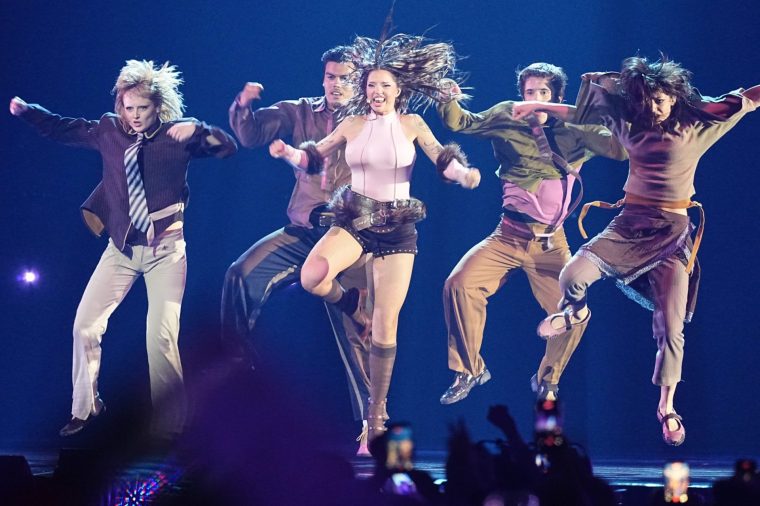
Bulgaria's win was a thrilling moment, as Dara narrowly beat 24 other competitors in the grand final. The performance was a highlight of the night, featuring vibrant costumes and dynamic choreography. Dara's success means that next year’s contest will be held in Sofia, Bulgaria.
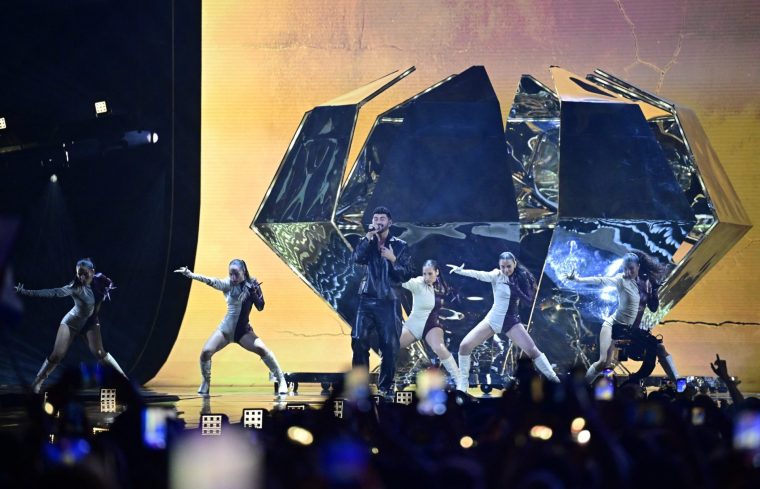
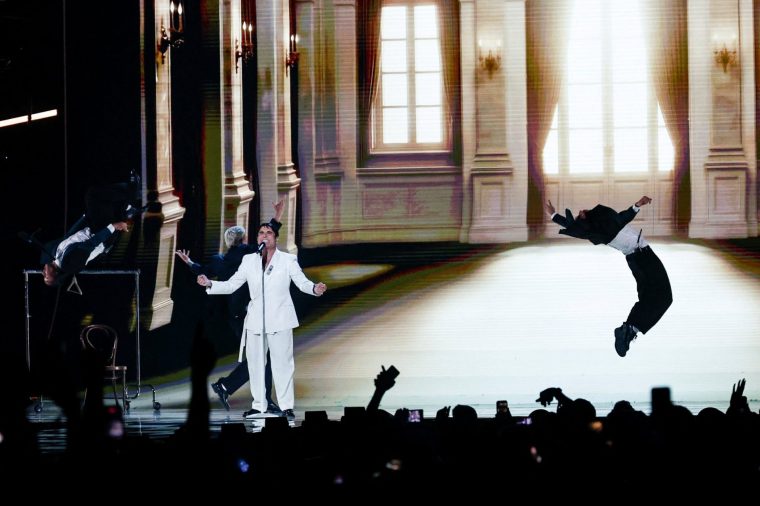
Israeli contestant Noam Bettan came in second place with 343 votes. His performance in Vienna was marred by protests and a boycott over Israel's participation. Bettan made a dramatic entrance, emerging from a giant spinning diamond at the start of his performance of "Michelle."
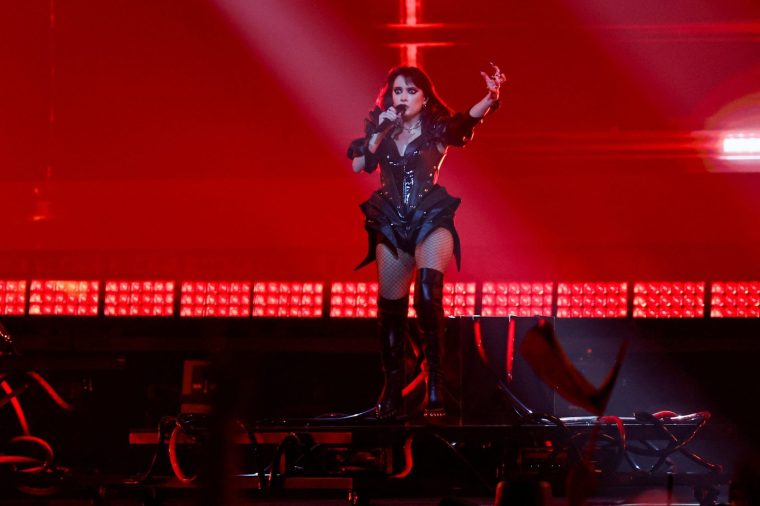
Romania’s Alexandra Capitanescu took third place with her intense rock song "Choke Me," which scored 296 points. The song sparked significant debate due to its repeated references to choking. In response, Capitanescu explained that the song is a metaphor for the pressure people place on themselves, addressing inner fears and self-doubt.
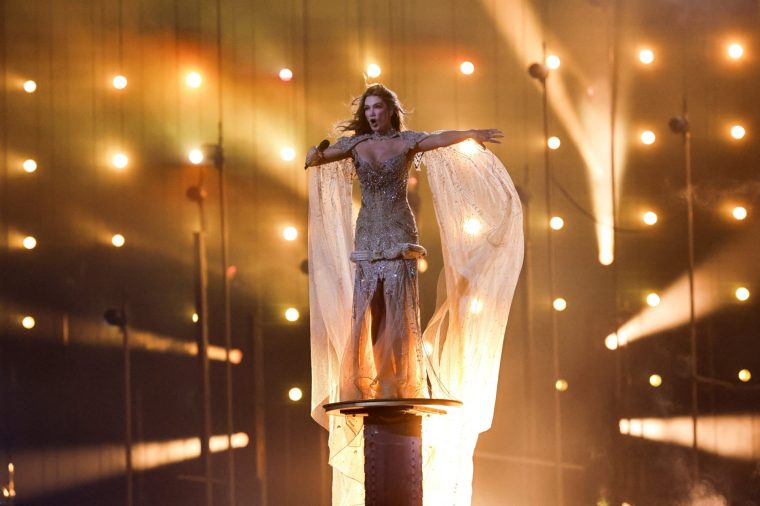
Australia’s Delta Goodrem, a pre-show favorite, finished fourth with 287 points. Known as one of Australia’s biggest-selling female artists, Goodrem delivered a powerful semi-final performance of her ballad "Eclipse." She was accompanied by a harpist before moving to a sparkling gold piano, where she mimed playing. At the climax of her performance, Goodrem was lifted into the air above the piano as fireworks erupted around her.
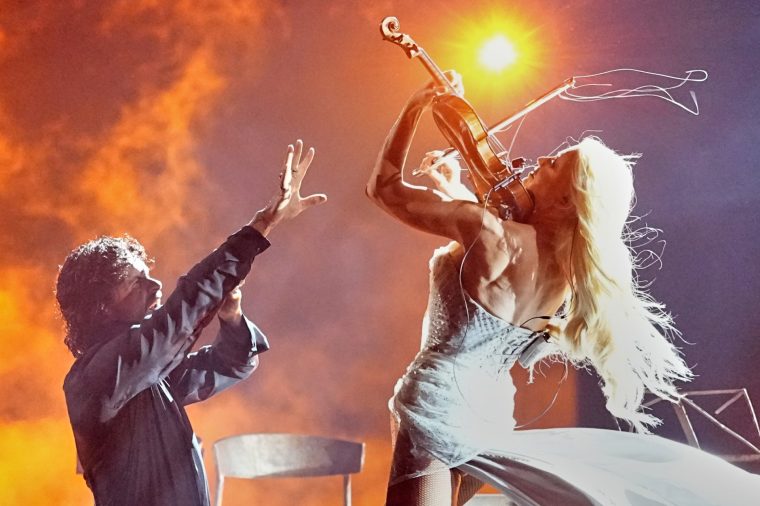
Italy’s Sal Da Vinci placed fifth with "Per Sempre Sì," scoring 281 points. His performance was praised for its effortless charm and vintage Eurovision feel. Finland’s Linda Lampenius and Pete Parkkonen finished sixth with "Liekinheitin," scoring 279 points. Their performance was visually striking, featuring explosive staging and a standout live violin.
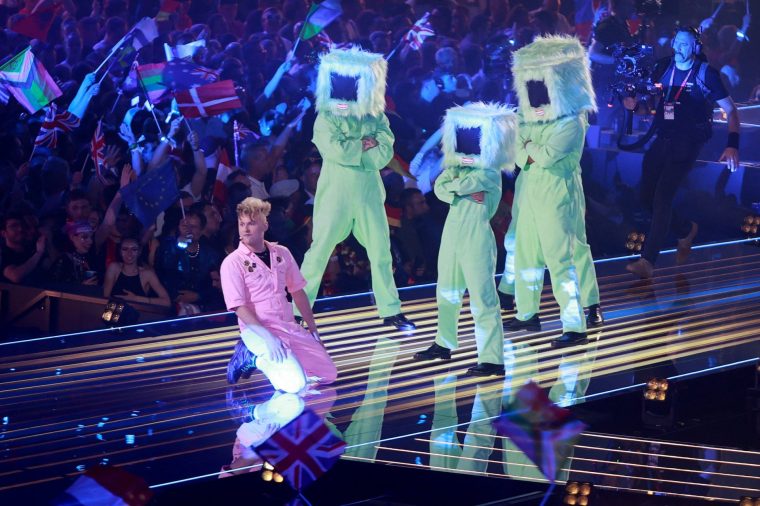
Despite finishing last, the UK’s Sam Battle, known as Look Mum No Computer, delivered one of the most flamboyant performances of the night with "Eins, Zwei, Drei." Wearing a pink boiler suit, he danced energetically alongside performers dressed as computers. After the competition, Battle expressed admiration for Dara, calling him the "honestly deserved winner." He also shared a video of himself celebrating the single point he received, leading a group in a chant of "UK."
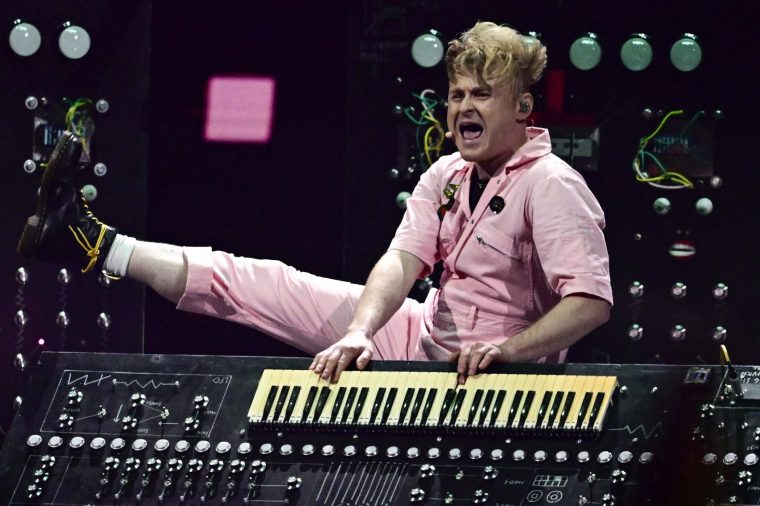
Battle is best known for his YouTube career, which he launched in 2013. He is famous for creating quirky musical instruments, including an organ made from Furby toys and a triple oscillator synthesiser made from Nintendo Game Boy consoles. He follows in the footsteps of previous UK entrants such as Remember Monday, Olly Alexander, and Mae Muller, who also received no points from the public vote.
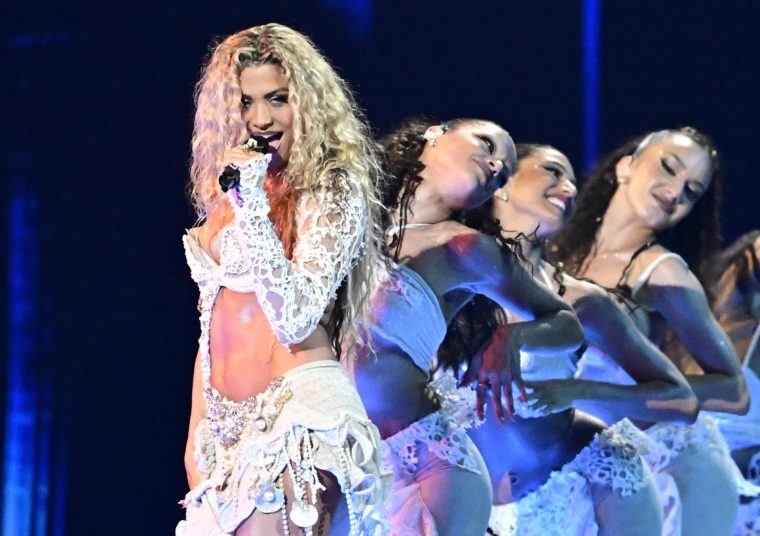
Former Love Island contestant Antigoni Buxton, representing Cyprus, finished 19th with 75 points. She performed her song "Jalla" wearing a white bralette and dress, with hands reaching up from the stage and flames shooting out behind her. Midway through her performance, she told the audience, “You want more,” and ended with a heartfelt “Thank you, Europe.”
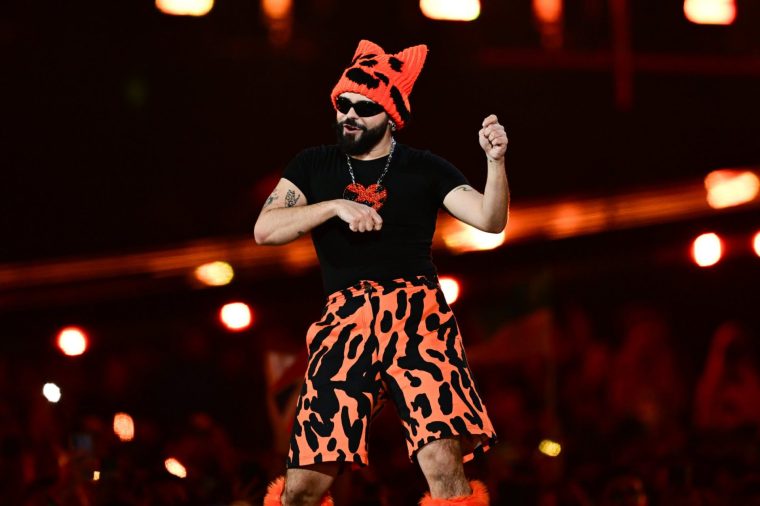
Greece’s entrant, Akylas, finished 10th with 220 points. His performance of "Ferto" was one of the most entertaining of the night, featuring a video game-inspired setting. He wore a tiger-print outfit and furry moon boots, riding a scooter across the stage as fireworks erupted around him.
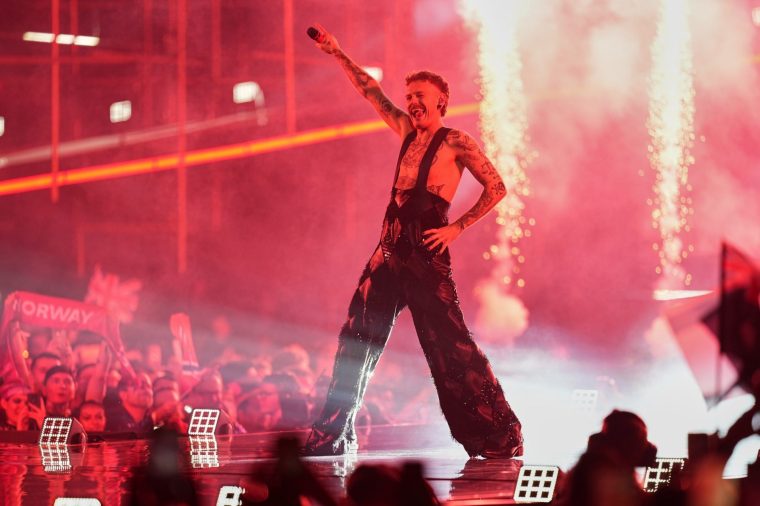
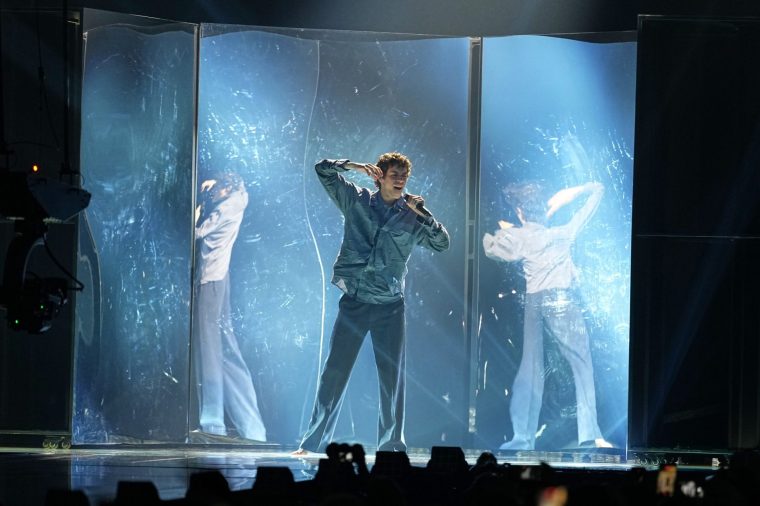
Norway’s Jonas Lovv placed 14th with "Ya Ya Ya," a full-throttle rock anthem marked by snarling guitars and an energetic stage presence. Czechia’s Daniel Žižka faced technical difficulties during his performance of "Crossroads," but still managed to finish 16th with 113 points. The performance took place in an elaborate hall of mirrors, though the visuals were occasionally distorted.
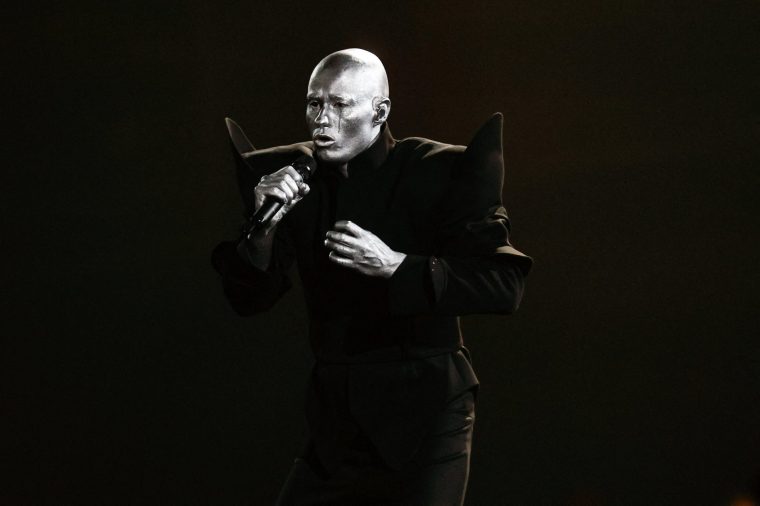
Lithuania’s Lion Ceccah, known as Tomas Alenčikas, had one of the most bizarre outfits of the night, painted head-to-toe in silver like the Tin Man from The Wizard of Oz. His song "Sólo Quiero Más" addressed themes of escaping social media and artificial intelligence, finishing 22nd with 22 points.
The Political Side of Eurovision
Eurovision has become increasingly political in recent years. Originally a small contest decided by judges, it now relies on public voting, which often reflects international tensions. Ukraine’s victory in 2022, following Russia’s invasion, highlighted how global political solidarity can intertwine with the contest.
This year’s event once again showcased a mix of poor entries, powerful pop tracks, pyrotechnics, and eccentric costumes. However, there were also moments of controversy. Israel’s Noam Bettan faced booing during his semi-final performance, and several protests occurred in Vienna over Israel’s participation. The largest protest, organized by Palestine Solidarity Austria, drew hundreds of supporters.


No comments:
Post a Comment