
What's happening with data center projects across the U.S.
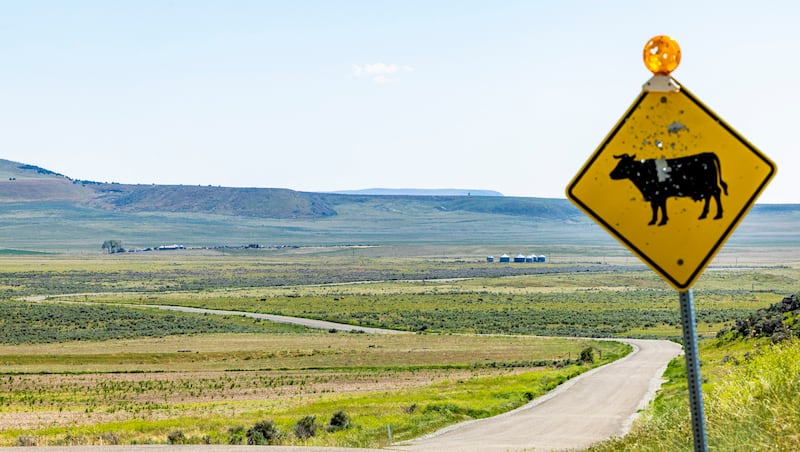
Residents of Utah who are worried about the possible effects of a large data center development in rural Box Elder County are not the only ones with these concerns.
There has been a significant rise in public resistance to data center projects throughout the United States in the last year. A monitoring website indicates that only eight local and state government initiatives aimed at imposing moratoriums or restrictions were active in May 2025, but this number has increased to 78 within a single year and is still increasing.
This surge could indicate a nationwide increase in data center construction, mainly fueled by advancements in artificial intelligence and the demand for cloud computing. Data center expansions are becoming larger and more capable, with the average capacity of each facility more than quadrupling in the last ten years, according to areportlaunched last month by the Kem C. Gardner Policy Institute at the University of Utah.
Over 700 large-scale and colocation data centers are being built across the United States, increasing the number of operational centers to 3,000.
Slowing down on data center projects
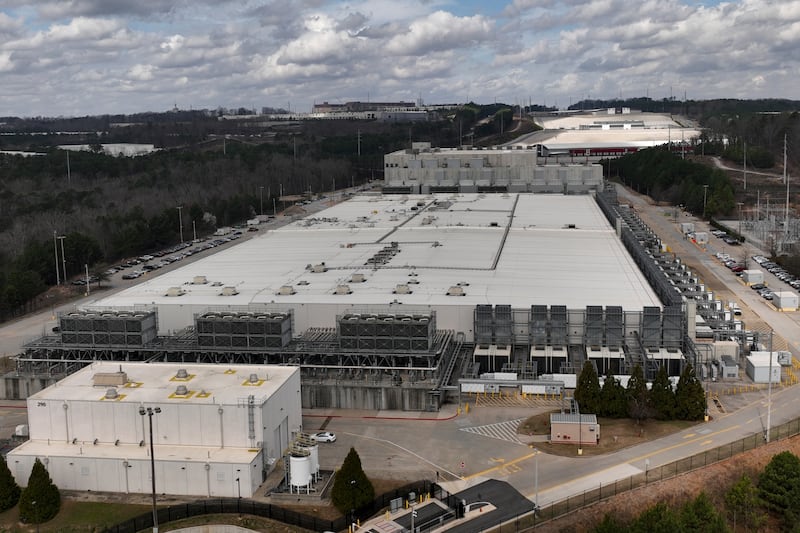
As of April 2026, 69 regions have ongoing data center restrictions in effect, according to theU.S. Data Center Construction Freeze Monitoringwith most of these restrictions remaining in effect for six to 12 months. Four areas have ongoing bans, and numerous other initiatives are being developed, involving a combination of proposed legal amendments and ballot measures or public votes.
It's important to mention that only 26 states currently permit state-wide citizen initiatives, referendums, or both. Although the initiative process, if successful, results in new laws or changes to existing legislation, referendums are intended to reverse previous decisions made by elected officials.
Tracking by the National Conference of State LegislaturesCurrently, 10 states have introduced or are in the process of reviewing proposals designed to slow down or completely prohibit the development of data centers. Some proposed laws, such as Georgia'sHB1059, halt the capacity of local governments to grant permits for data center projects during a specific timeframe. Others, including Vermont’sS205, aim to implement broad, state-wide restrictions on data centers while conducting impact studies.
Utah is not one of the states currently exploring laws to restrict data center expansion.
New Hampshire and Wisconsin saw recent attempts to impose data center moratoriums, but these did not gain approval from state legislators. Meanwhile, Maine's proposal for a one-year hold on data center construction received backing from most lawmakers, yet Governor Janet Mills vetoed the measure last month to safeguard a data center project in her state that had already secured local approval, as stated by the governor.veto message.
A moratorium is suitable considering the environmental effects and electricity rate increases caused by large data centers in other states," Mills wrote. "However, the final version of this bill does not provide for a particular project in the Town of Jay, which has significant backing from its local community and surrounding area.
One of the latestactionsoccurred in Reno, Nevada, on Thursday as local city council members approved a 30-day pause on data center developments, which may be extended through a subsequent vote scheduled for June 1.
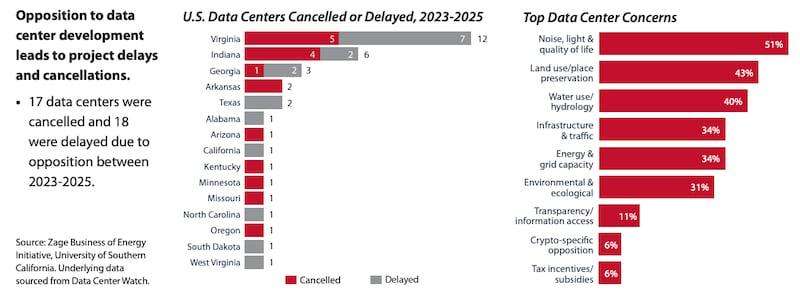
Community resistance to data center developments is achieving positive outcomes nationwide, as indicated by the Gardner report. The study highlights that 17 data center projects were canceled and 18 were postponed because of opposition between 2023 and 2025.
The most frequent concerns raised by communities near possible data center sites, according to the Gardner report, involve noise, light, and quality of life issues; land use and preservation of places; water consumption and hydrological effects; infrastructure and traffic; energy and grid capacity; and environmental and ecological concerns.
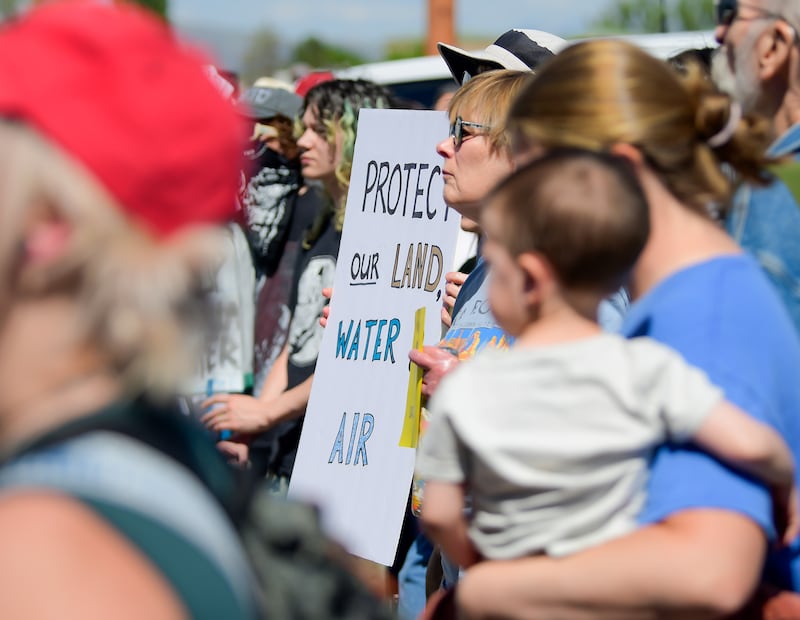
In March, Senator Bernie Sanders from Vermont and Representative Alexandria Ocasio-Cortez from New York proposed a bill aiming for a federal halt on data center development until national safeguards are established. The legislation has not seen much support.
What is happening in Utah?
A plan for a large-scale data center project in Utah, supported by Canadian entrepreneur and television personality Kevin O’Leary, suggests the step-by-step construction of data processing facilities across 40,000 acres in western Box Elder County. Once fully developed, the project would require 9 gigawatts of power, significantly surpassing the state's peak energy consumption and becoming the biggest data center of its type globally, as stated by the developers.
Issues regarding the proposal, which has received complete support from a little-known state organization called the Military Installation Development Authority along with the Box Elder County Commission, are numerous. The primary areas of debate, however, revolve around water consumption and environmental effects from the data center and its on-site, natural gas-powered electricity production in a state experiencing significant drought and air quality problems that have persisted for many years.
Residents of Box Elder County might be included in the growing opposition to data centers, following the submission of documents last week to initiate a vote on the matter.
The submission is currently being examined by the Box Elder County Attorney's Office. If it proceeds, proponents of the referendum will have 45 days to collect 5,422 signatures and fulfill additional requirements in order to place a proposal on the ballot aimed at reversing the commission's May 4 decision to support O’Leary's data center project.
Utah is home to 48 active data centers that consume 920 megawatts of electricity, with another 2,600 megawatts in development. According to the Gardner report, this expansion is expected to more than triple the state's data center capacity.
Data center growth is primarily focused along the Wasatch Front, with a few major facilities controlling the market. The state's top 10 data centers make up approximately 80% of the total existing capacity, and several even larger projects are underway, including a large-scale, so-called hyperscale facility (typically characterized by an energy consumption over 100 megawatts) near Delta, Utah.
Post a Comment for "What's happening with data center projects across the U.S."