
Zelensky's Long-Range Strikes Shift Momentum to Ukraine, Expert Says
Ukraine's Strategic Shift in Drone Warfare
Ukraine's recent long-range drone strikes on Russian territory have signaled a significant shift in the dynamics of the ongoing conflict. These attacks, which involved nearly 600 drones, have been described as one of the largest Ukrainian operations of the war to date. The strikes resulted in the deaths of four people and targeted key facilities such as a navy vessel, an oil refinery, and microelectronics manufacturing sites. Ukrainian President Volodymyr Zelensky has called these actions "entirely justified" retaliation for Russia's bombardment of Ukraine.
Russia's defense ministry reported that air defenses successfully shot down 556 drones overnight, with an additional 30 being intercepted after dawn. Despite these efforts, the scale and reach of the attack were substantial, stretching up to 700 miles from the Ukrainian border. This operation highlights Ukraine's increasing reliance on its domestic weapons manufacturing capabilities, which have allowed it to launch more sophisticated and long-range attacks.
Keir Giles, a Russia analyst at Chatham House, noted that this strategic shift indicates Ukraine is gradually gaining the upper hand in the war. He explained that Russia is struggling to defend its vast territory effectively, even if it were to dedicate as much effort and resources to air defense as Ukraine has had to do under constant bombardment. This imbalance has allowed Ukraine to target critical infrastructure and military assets that could weaken Russia's war effort.
Targeting Critical Infrastructure
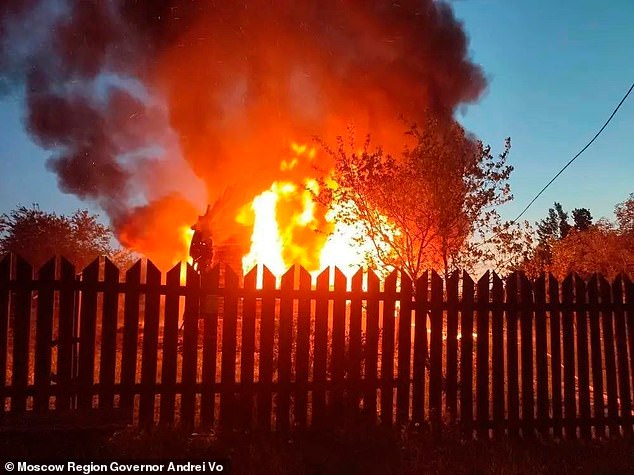
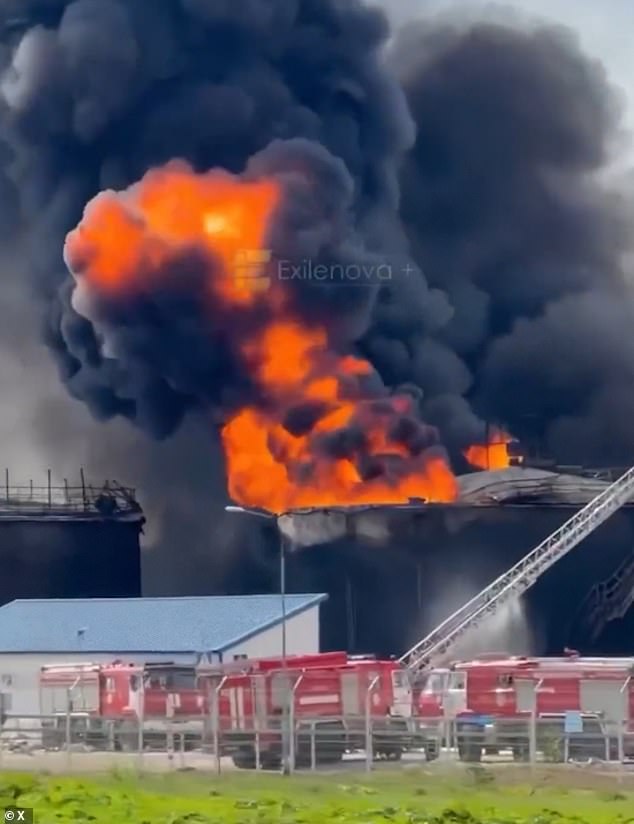
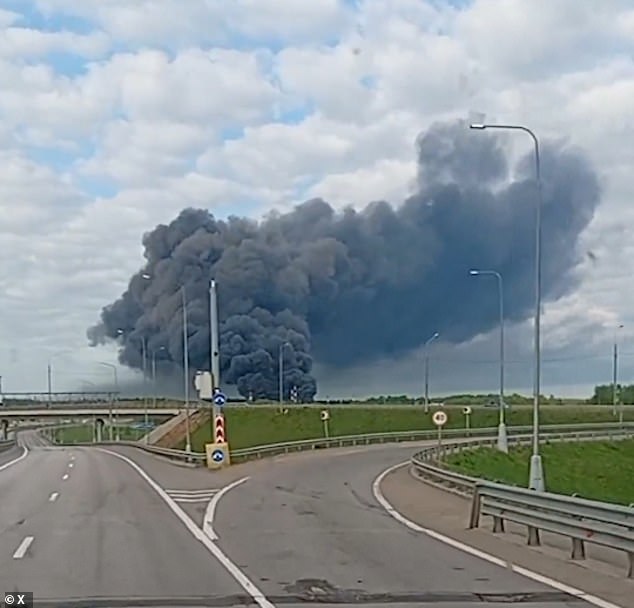
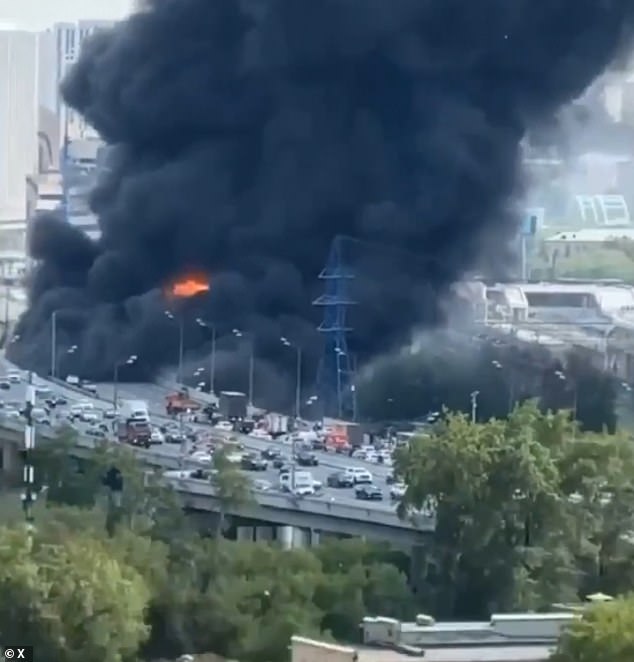
The attack on Sunday specifically targeted the Moscow Oil Refinery, the Solnechnogorsk oil depot, and several microelectronics manufacturing facilities. According to Ukraine's defense ministry, the targets included a plant in the Moscow region that specializes in producing high-tech products and microchips for precision weapons. This marks a significant escalation in Ukraine's strategy, as it aims to disrupt Russia's ability to sustain its military operations.
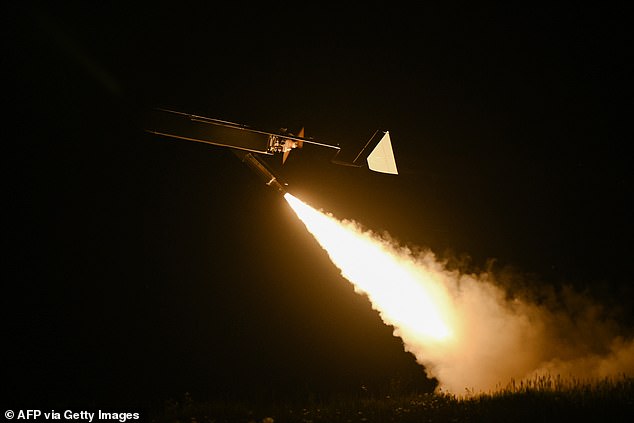
The use of advanced drones such as the FP-1 Firepoint and RS-1 Bars, along with a newly developed drone called the Bars-SM Gladiator, underscores Ukraine's growing technological capabilities. These drones have ranges of up to 1,600 km and 700-800 km, respectively, making them effective tools for long-range strikes.
In the capital region, the attack resulted in the death of a woman who was hit by a UAV while in her private home. One of the victims was an Indian citizen working in Russia, as confirmed by the Indian embassy in Moscow. Additionally, construction workers near an oil and gas refinery were injured, though refinery production remained unaffected. Three residential buildings were damaged in the incident.
Expanding the Scope of Strikes
In recent weeks, Ukraine has also targeted key sites such as the VNIIR-PROGRESS electronics plant, which produces components for guidance systems used in Shahed-type drones, and the Ryazan oil refinery, one of Russia's largest refineries. These strikes are part of a broader strategy to undermine Russia's oil revenues, which fund its military operations.
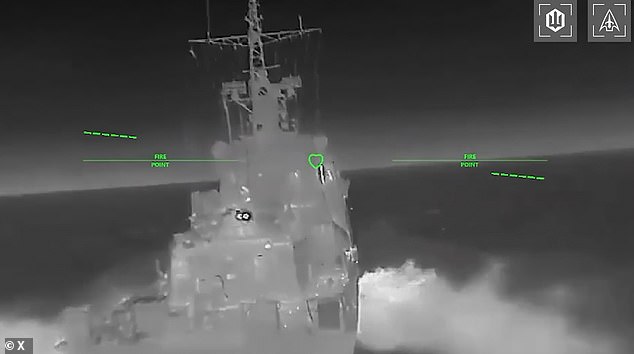
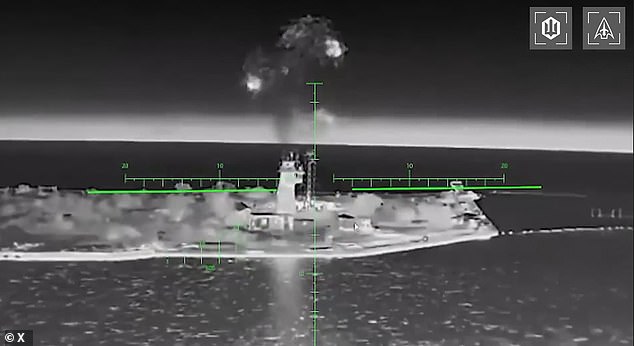
Ukraine has also claimed responsibility for striking several Russian military targets, including a Be-200 amphibious aircraft and a Project 10410 patrol ship in the Caspian Sea. Other targets included a Kamov Ka-27 helicopter, a dry cargo ship carrying ammunition, an anti-aircraft missile and gun system, a Tor anti-aircraft missile system, a 'Redut-2US' communications system, and drones.
Psychological Impact and Diplomatic Stalemate
According to security sources, Ukraine's deep strikes into Russian territory aim to convince Russians that they are vulnerable, countering Putin's attempts to reassure the population that the war is being won. Keir Giles emphasized that these attacks are designed to bring the war closer to the Russian people, challenging the narrative that the conflict is distant and irrelevant to their daily lives.
Diplomatic efforts to end the conflict have stalled, with Kyiv refusing to accept Moscow's demands for territorial concessions in the Donbas region. While the U.S. has pushed for negotiations, talks have slowed since Washington's focus shifted to the U.S.-Israeli conflict with Iran. After the expiration of a U.S.-brokered truce marking the anniversary of victory over Nazi Germany, both sides have resumed attacks.
Military Parades and Political Maneuvers
Putin's recent military parade marked a departure from tradition, with tanks and heavy weapons absent for the first time in nearly two decades. Russian officials attributed the change to the "current operational situation," while Kremlin spokesman Dmitry Peskov admitted to introducing "additional security measures." Zelensky further highlighted the perceived vulnerability of the Kremlin by claiming that Russian authorities "fear drones may buzz over Red Square."
During his Victory Day speech, Putin defended his war in Ukraine, calling it a "just" war and accusing Ukraine of being "aggressive" and supported by NATO. He also suggested that the conflict might be nearing an end, a statement that analysts believe could indicate a shift in Russia's strategic thinking.
Giles noted that freezing the conflict could fundamentally alter the situation, as it would disrupt the current deadlock and change the strategic dynamic. However, Russia continues to launch attacks on Ukraine, with Zelensky reporting that Russian forces attacked with 524 drones and 22 missiles overnight. A Russian drone also struck a Chinese cargo ship in the Black Sea, adding another layer of complexity to the conflict.
Read more
Post a Comment for "Zelensky's Long-Range Strikes Shift Momentum to Ukraine, Expert Says"