
ADNOC Drilling's CEO: AD-300 Rig Marks Industry Transformation

A New Era of Energy Production
The AD-300 has arrived three months ahead of schedule, marking a significant milestone in the energy sector. This 50-metre-high fully automated walking island rig is capable of moving between wells without dismantling, equipped with AI systems and hybrid power capability. For ADNOC Drilling, this is more than just an engineering achievement; it's a clear indication of where the industry is heading: a shift toward automation, intelligence, and scale working together.
CEO Abdulla Ateya Al Messabi views AD-300 as the first of six rigs under a $1.54bn contract, each one deepening the company’s capabilities through 2027. In our conversation with him, we explored what the rig signifies, why AI matters in industrial operations, and how this investment translates into both safety and performance.
Why AD-300 Matters Beyond the Rig Itself
AD-300 has attracted attention as a major milestone. But why does it matter beyond the rig itself?
It signals a broader shift in how we deliver energy because we are redesigning offshore well delivery around automation, data, and intelligence so we can operate more safely, more efficiently, and with greater consistency at scale. This is a 50-metre-high, fully automated walking island rig delivered nearly three months ahead of schedule. At the same time, it is a visible step-change in capability. This is a walking rig that can move between wells without being dismantled, reducing downtime and accelerating delivery.
AD-300 integrates a unique combination of automation, artificial intelligence, digital systems, and hybrid power capability, with the option to connect to the grid. Taken together, this makes it one of the most advanced island rigs in operation globally. The point I would emphasize is that AD-300 is the first of six next-generation island rigs under a $1.54bn drilling services contract across 2024–2025. The first rig proves what the design can do, and six of them will ultimately reshape capability at fleet level.

The Drive Toward Automation and AI
Why is ADNOC Drilling accelerating automation and AI now?
The future of energy will be won by those who can combine scale with intelligence. Performance expectations are higher, and our customers expect safer operations, faster delivery, and stronger economics. Automation and AI help us respond to all of that because they reduce manual intervention in higher-risk environments, improve real-time visibility, support predictive maintenance, and enable faster, better-informed decisions.
On AD-300 specifically, AI-enabled systems support real-time monitoring and predictive maintenance, improving visibility and reducing operational surprises. More fundamentally, they allow us to move from a traditional operating model to one built around repeatability, productivity, and disciplined execution. That is where this sector is heading, and we intend to lead that transition.
The Practical Impact of AI in Industrial Settings
Many companies talk about AI. What does it actually change in an industrial setting?
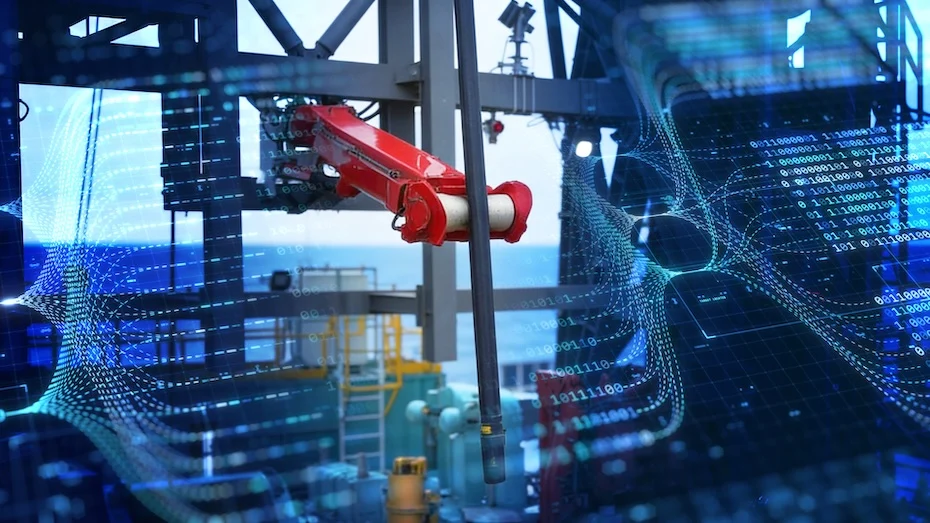
In our world, AI has to be practical. It has to improve how assets perform, how our people work, and how decisions are made. In this case, AI and digital systems support real-time monitoring, performance optimization, and predictive maintenance, providing earlier visibility on issues, better operational insight, and fewer surprises. For example, automated pipe handling and AI-enabled monitoring reduce manual intervention in complex operating environments.
Combined with automation, they also remove people from some of the most manual and higher-risk activities. The impact is operational, stronger uptime, more consistent execution, and better well delivery performance. When that intelligence is combined with physical capability, such as a rig that can move seamlessly between wells, you begin to see the full impact on productivity and delivery.
Translating Investment into Operational Performance
How does this investment translate from capex into operational performance?
Ultimately, technology spending must be measured by the quality of the operating model it creates. The logic runs in two steps. First, capex discipline, investing in assets designed to perform better for longer, with more embedded intelligence and lower friction across the operating cycle. Second, OPEX performance, reducing downtime, lowering manual intervention, improving maintenance planning, and increasing execution consistency.
Delivering AD-300 ahead of schedule also enables earlier revenue generation, directly improving return on capital. When you do both well, the asset raises the productivity baseline of the fleet. Smart capital deployment should translate into a structurally stronger operating profile over time.
Safety and Growth: A Dual Focus
Is this primarily a safety story or a growth story?
It is both, and while the two are connected, safety comes first. If automation can reduce exposure to higher-risk tasks, that is a meaningful and non-negotiable advance. Automation reduces personnel exposure in higher-risk environments while improving consistency and uptime. At the same time, those same technologies improve uptime, compress non-productive time, support more predictable delivery, and help generate stronger returns from the assets we deploy.
What the Market Should Take Away
What should the market take away from this milestone?
That ADNOC Drilling is investing ahead of the curve and executing against that investment with discipline. AD-300 is a visible moment, but the bigger message is the kind of company we are building—more advanced, more resilient, more productive, and more clearly aligned with where the UAE energy sector is going.
The remaining rigs will be deployed in phases, which gives us good visibility on revenue and supports our growth into 2027. This program is evidence that the strategy is already in motion.
Post a Comment for "ADNOC Drilling's CEO: AD-300 Rig Marks Industry Transformation"