
Andy Burnham Set to Boost North Funding and Mayoral Powers for No10 Bid
Andy Burnham’s Vision for a More Balanced England
Andy Burnham, the former mayor of Greater Manchester, is preparing to deliver his first major speech since announcing his bid for the Labour leadership. Known as the “King of the North,” Burnham is expected to emphasize his commitment to devolution and economic rebalancing in his address. This speech will outline his plans to shift funding from central government to England's regions if he becomes Prime Minister.
Burnham's vision includes granting regional mayors greater control over social housing, welfare, and post-16 education. These measures aim to reduce the reliance of the North and Midlands on financial support from London and the southeast. According to data from the Office for National Statistics, taxpayers in London contribute an average of £24,400 in taxes but receive only £19,500 in public spending. In contrast, taxpayers in the North West pay £12,700 on average but get back £17,300 in public services.
Burnham is also planning to establish a "No10 of the North" to demonstrate his dedication to rebalancing the economy. He intends to implement a "devolution-first" agenda in Whitehall, where government departments would assess which areas of funding they could transfer to regional governments.
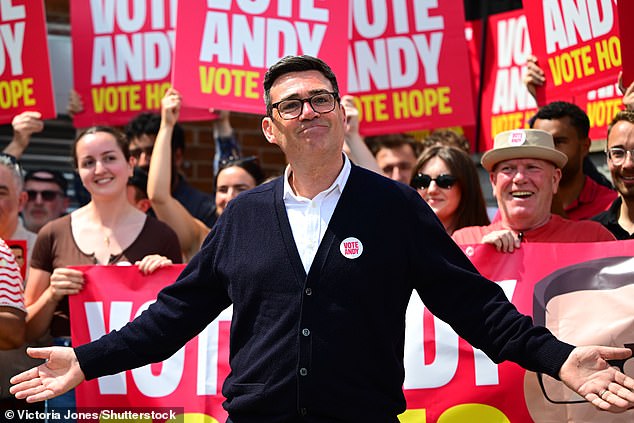
This approach aligns with Burnham’s views expressed in his book Head North, co-authored with fellow mayor Steve Rotheram. In the book, Burnham criticized the current system, arguing that regional leaders often have to "go on bended knee" to Westminster. He advocates for a more balanced approach, giving councils and mayors more autonomy.
A source close to Burnham told The Times that the focus of his speech will be on serious economic rebalancing. The source added, "He's very clear that it's not about obsessing over Manchester but about the north as a whole. He wants the speech to give an answer to why the country doesn't work and that includes being honest that the economic failure of the north costs Londoners a lot of money."
While Burnham's speech is yet to be finalized, nominations for the Labour leadership close on July 16. If he is the only candidate, he will be declared leader at a special conference the following day. However, he will not become Prime Minister immediately; the handover is expected to take place on July 20.
Burnham is also considering his future cabinet. Rachel Reeves has reportedly conceded she will no longer serve as Chancellor, despite earlier hints of seeking a significant role. Senior ministers such as Home Secretary Shabana Mahmood and Energy Secretary Ed Miliband are in the running to replace her.
An unexpected alliance of trade unionists and city traders has urged Burnham against appointing Miliband as Chancellor, citing concerns over his net zero policies. However, the transport union TSSA supports Miliband, stating, "We believe Ed Miliband has demonstrated that he understands the need for a different approach, one that is prepared to invest for the long term and deliver an economy that works for everyone."
Despite Burnham's apparent dominance in the leadership race, a recent poll suggests that more than half of Britons support a law requiring a General Election if a political party changes its leader during a parliamentary term. The survey by Ipsos found that 55% of the British public would back such a law. Support was particularly strong among Conservative voters (75%) and Reform UK supporters (83%), while only 1 in 5 people opposed it.
Nigel Farage has called for an early General Election, arguing that Burnham would lack a "meaningful mandate" if he enters Downing Street. Similar sentiments have been echoed by some within the government, including Home Office minister Mike Tapp, who has advocated for legal changes to ensure a general election if a prime minister is replaced early.
The Ipsos poll also highlights a "disillusioned British electorate," with half of respondents believing the country is "ungovernable." Public expectations for a new leader are low, with 38% of people saying a new leader will make "no difference" to the country's state. Over half expect little personal impact on their lives, and 56% predict minimal change in their local areas.
These findings reflect the public's skepticism toward the political process, with 57% believing Sir Keir Starmer did a "bad job" as Prime Minister. As the UK prepares for its seventh prime minister in ten years, the mood remains one of apathy rather than optimism.
Post a Comment for "Andy Burnham Set to Boost North Funding and Mayoral Powers for No10 Bid"