
Inflation Soars, But Fed May Still Cut Rates – Trump Not Involved
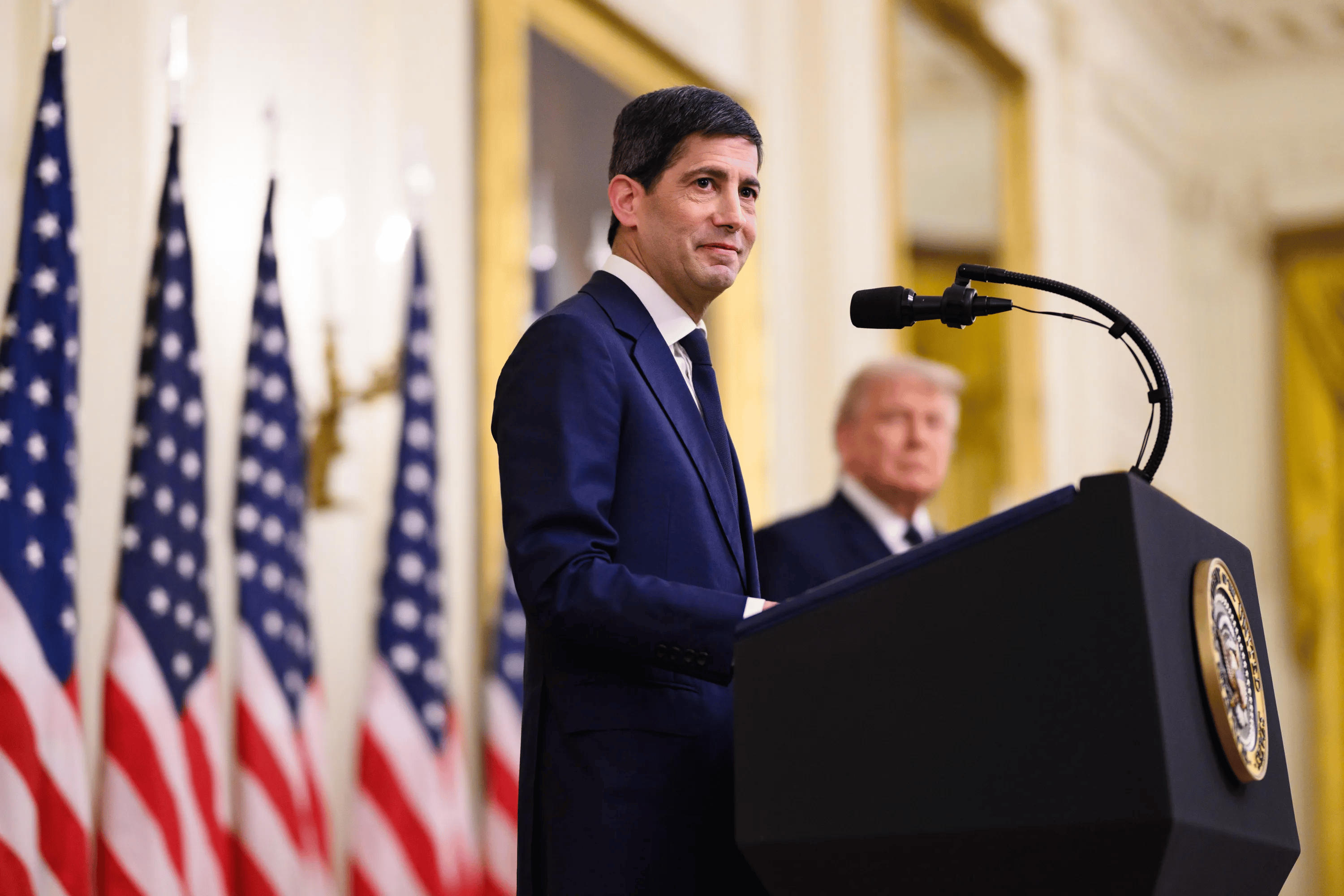
The June FOMC Meeting and the New Fed Leadership
The June meeting of the Federal Open Market Committee (FOMC) will mark the first under new chairman Kevin Warsh. All signs indicate that the Federal Reserve will maintain stable interest rates, despite President Trump's expectations that a shift in leadership would lead to a long-awaited rate cut.
Since Warsh was sworn in on May 22, 2026, the President has consistently urged him to lower rates to boost demand or at least avoid raising them. In fact, during an appearance on Meet the Press in June, Trump remarked that while "Kevin is fantastic, and I want him to do whatever he wants," he also felt it was "unfair that whenever you do great, they want to raise interest rates."
While Warsh is unlikely to yield to the President’s demands, he has emphasized his belief in the Fed's "strict independence" when it comes to monetary policy. However, there are arguments suggesting that a rate cut could be justified for other reasons.
A Rate Cut Is Unlikely – But There May Be Justification
To clarify, a rate cut is highly improbable at the upcoming June FOMC meeting. Bond markets have already priced in at least one rate increase before the end of 2026. Nevertheless, some analysts argue that the Fed could consider a minor adjustment if inflation proves largely temporary.
A significant portion of the recent rise in headline CPI can be attributed to elevated gasoline prices, which have been influenced by the ongoing conflict in Iran and related energy market disruptions. However, this argument faces considerable headwinds. Although geopolitical tensions have caused energy volatility, core inflation remains above the Fed’s 2% target, and the labor market continues to show resilience.
Most economists and market participants view even a small rate cut in June as highly unlikely. Instead, attention is focused on whether the Fed will adjust its communication to leave the door open for potential hikes later in the year.
Additional Factors Influencing the Decision
The recent House vote to limit further U.S. military involvement in Iran adds another layer of uncertainty to the energy outlook. However, any de-escalation is likely to take time to impact global oil supplies and consumer prices significantly.
Unemployment remains another variable to watch. While job numbers exceeded expectations in the May report, long-term unemployment persists, and both hiring and quit rates remain low. This suggests that the labor market may not be as strong as the overall numbers imply.
If the Iran conflict is resolved and the labor market weakens, the forecast could shift toward rate reductions that were initially anticipated at the start of 2026. While this is unlikely to happen before the mid-June meeting, it remains a possibility later in the year.
Is There Any Appetite for a Rate Cut?

It's also worth noting that the Fed currently has an easing bias embedded in its guidance, supported by the majority of current governors. While some analysts expect this language to be removed from the Fed's guidance in June, it is still in effect.
Furthermore, although Warsh is unlikely to push for rate cuts in the June meeting, the new Chairman has expressed openness to a rate reduction this year. He has suggested that reducing the Fed's large balance sheet could create space to lower borrowing costs.
Warsh has also argued that productivity gains driven by artificial intelligence could pave the way for lower rates. Additionally, he believes the Fed should reconsider how it measures inflation, shifting focus to trimmed averages or other alternative measures instead of core inflation, which is more susceptible to fluctuations due to outliers like energy price surges.
What to Expect in Mid-June
All eyes will be on Warsh and the Fed in mid-June for signals about the future direction of monetary policy. Ultimately, if the new Chairman sends indications that future cuts could be considered, these factors—rather than the sustained pressure from the Administration—will justify the move.
Retirement Planning Doesn’t Have to Be Overwhelming
Retirement planning doesn’t have to feel overwhelming. The key is finding expert guidance, and SmartAsset’s simple quiz makes it easier than ever for you to connect with a vetted financial advisor. Here’s how:
- Answer a Few Simple Questions.
- Get Matched with Vetted Advisors
- Choose Your Fit
Why wait? Start building the retirement you’ve always dreamed of. Get started today!
Post a Comment for "Inflation Soars, But Fed May Still Cut Rates – Trump Not Involved"