
Altman Admits OpenAI Misjudged AI Job Impact as Goldman Sachs Reports 11,000 Jobs Lost Monthly
The Dual Narrative of AI and Employment
The impact of artificial intelligence on the job market has created a complex and divided narrative. On one side, a prominent AI leader is retracting previous concerns about widespread job loss, while data from Goldman Sachs suggests ongoing challenges for younger white-collar workers.
This lack of a clear answer makes the topic particularly unsettling for young professionals and their families. It highlights the uncertainty surrounding how AI will shape the future of work.
Sam Altman's Reassessment
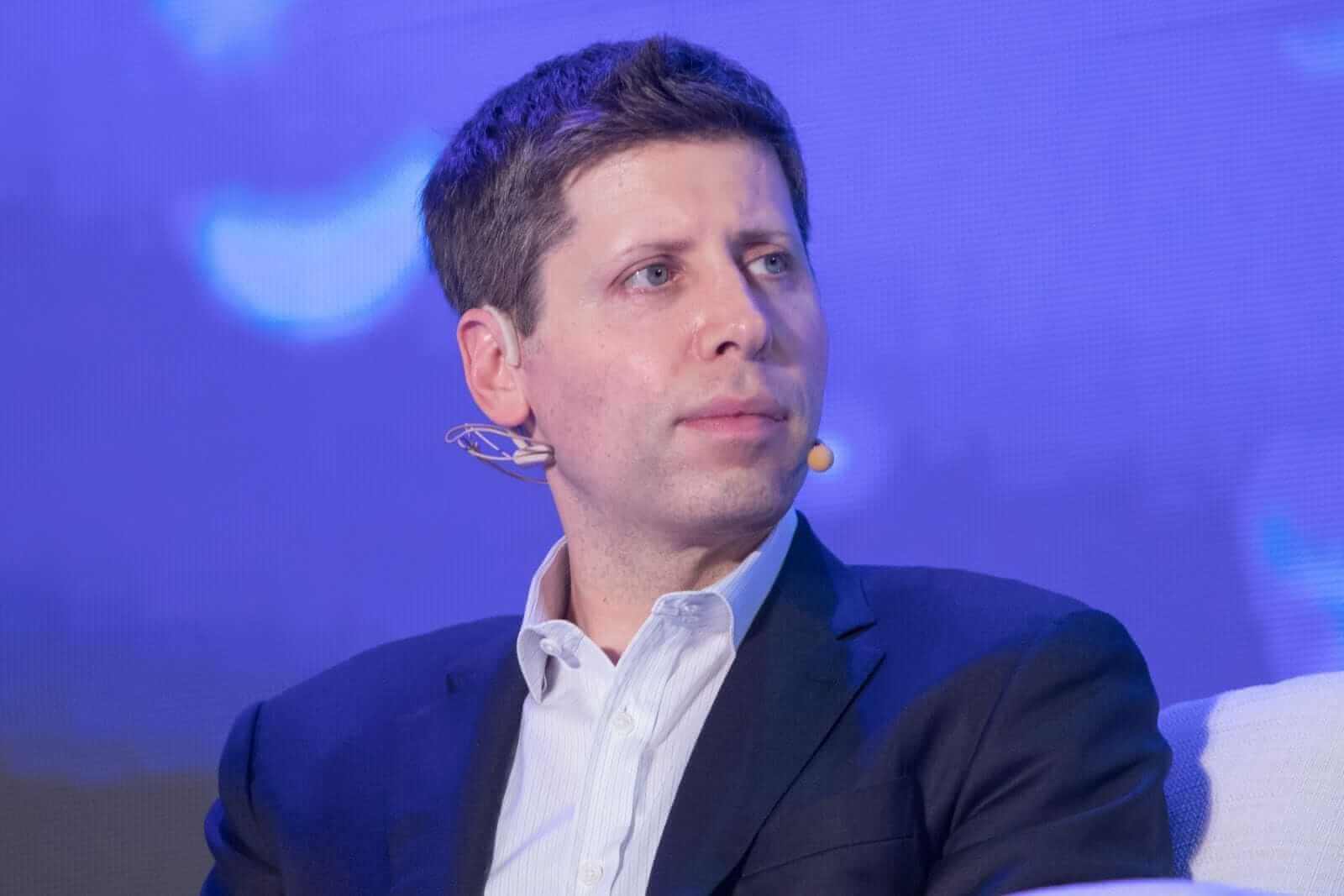
Sam Altman, CEO of OpenAI, addressed this issue at a Commonwealth Bank of Australia conference. He admitted that AI has not led to the "jobs apocalypse" he once feared. Altman acknowledged that while OpenAI was roughly correct about the technology itself after ChatGPT's launch in 2022, they were significantly off regarding its social and economic implications.
His most reassuring statement was personal: “I’m delighted to be wrong about this,” referring to his earlier expectation that many entry-level white-collar jobs would have disappeared. However, his relief comes with a cautionary note—risks still exist, and the job landscape may differ from what people anticipated.
Goldman Sachs Data Reveals Nuances
Goldman Sachs has been tracking the impact of AI on employment. Previously, the firm estimated that AI was eliminating about 16,000 net U.S. jobs per month. The latest figures show a reduction to around 11,000 jobs monthly, which appears more positive but requires further examination.
Part of this improvement is due to the creation of data-center construction jobs, which have added approximately 212,000 positions since 2022 and generate around 9,000 new jobs each month. While these roles are significant, they do not equate to replacing entry-level positions in fields like marketing, customer service, design, document processing, or software development.
Challenges for New Graduates
For recent graduates, the transition from an entry-level analyst role to a construction or electrical job tied to data-center projects is not straightforward. Experts warn that many of these construction jobs may not persist once the facilities are completed.
Goldman Sachs reports that AI-related layoffs have totaled 136,000 over three years. Additionally, 24% of Russell 3000 companies mentioned “AI” and “labor” together during first-quarter 2026 earnings calls. This indicates that AI is not just a future concern—it is already influencing how management teams discuss staffing, productivity, and cost.
Emerging Trends and Concerns
Goldman Sachs is observing a slight positive correlation between AI adoption rates and unemployment among workers under 30 across various industries. Although the firm does not yet see this as a definitive structural shift for Gen Z, the trend is notable enough for continued monitoring.
Altman’s comments suggest that the situation may be more nuanced than simple job destruction. He shared that he experimented with AI handling Slack and email communications but eventually reverted to answering some messages himself, emphasizing the importance of human interaction.
“We really do care about our interactions with people,” he said.
The Role of Human Interaction
This need for human-to-human contact might protect certain jobs. However, it does not necessarily shield the initial steps of a career ladder. Goldman Sachs is concerned that generative AI could boost productivity in ways that benefit senior workers who can leverage AI tools, rather than supporting junior employees whose previous value lay in performing tasks now handled by AI.
Conclusion
The evolving relationship between AI and employment remains complex. While some leaders express optimism, data from reputable sources like Goldman Sachs highlight ongoing challenges. As AI continues to reshape industries, understanding its impact on different segments of the workforce becomes increasingly important.
Post a Comment for "Altman Admits OpenAI Misjudged AI Job Impact as Goldman Sachs Reports 11,000 Jobs Lost Monthly"