
Chery's Rosslyn acquisition marks a new era for South Africa's auto industry
A New Era for South African Manufacturing
Chery Automobile's formal takeover of Nissan's Rosslyn plant on 3 July 2026 marks a significant shift in the automotive landscape of South Africa. This acquisition is more than just a change in ownership; it represents a strategic move by a Chinese automaker to establish a permanent industrial presence in the country. The deal highlights a broader transformation in who is building cars in Africa’s largest vehicle manufacturing economy.
From Distress Sale to Strategic Anchor
The transaction stems from Nissan's global challenges rather than any failure in South Africa. The sale of the Rosslyn plant is part of Nissan's "Re:Nissan" restructuring plan, following substantial financial losses over two fiscal years. This was not a plant closed due to local demand issues but one affected by global retrenchment efforts, similar to Nissan's earlier exit from a Barcelona facility in 2021, which Chery later absorbed through a joint venture with Spain's EV Motors.
For Nissan, this deal allows a clean exit from a capital-intensive commitment while maintaining its retail footprint in South Africa. The company will continue offering vehicles and services through sales and distribution, with new launches planned for the 2026 fiscal year. However, it will import the Navara instead of producing it locally, setting a precedent for manufacturers in mature markets to retreat from production while retaining their storefronts.
What Chery Is Actually Buying
The Rosslyn plant is far from a shell. Built in 1963, it has operated continuously for over six decades and is located within a cluster contributing significantly to South Africa's GDP through the automotive sector. Chery acquires the land, buildings, equipment, and an adjacent stamping facility, committing to retain all 692 existing employees on similar terms while aiming to create nearly 3,000 additional jobs across manufacturing and the supply chain.
The production plan is staged rather than ambitious initially. Initial output will focus on the Jetour T-series, alongside the Jaecoo J5, offered in both internal combustion and new energy variants, and the Chery Tiggo 4. By the second half of 2027, the target is around 15,000 units, eventually reaching a single-shift capacity of 50,000 vehicles annually. While modest compared to Toyota's Durban plant, this gives Chery a domestic manufacturing base it previously lacked, as it had operated solely as an importer since its 2021 re-entry.
Reading the Local-Content Signal
One of the most critical details is Chery's aim of achieving 40% local content at the initial production stage. South Africa's Automotive Production and Development Programme rewards such localization. The gap between this starting point and the higher thresholds established by manufacturers like Toyota and Volkswagen illustrates the potential for further supply-chain development. Chery has indicated it will import Chinese suppliers for electric and intelligent-vehicle components temporarily, a pragmatic approach that keeps high-value inputs offshore until local capacity develops.
Market Context: A Sector Being Reordered
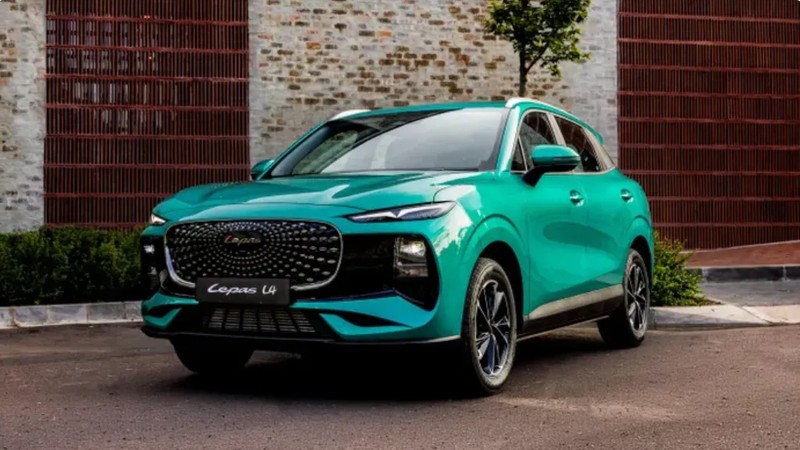
This single transaction is part of a larger shift. Chinese brands, including Chery's sub-brands Omoda, Jaecoo, Jetour, iCaur, and Lepas, now account for over 19% of South Africa's new vehicle market, with Chery ranking second in overall sales behind Toyota. The Rosslyn plant converts this commercial success into industrial commitment, and Chery has expressed ambitions to build Rosslyn into a regional hub for manufacturing, exports, research and development, and supply-chain management, targeting over 100,000 annual South African vehicle sales.
The Comparison That Matters
The most instructive parallel is not with Toyota's export-oriented Durban operation but with Nissan's own history at Rosslyn, a plant that thrived for decades as a hub for both domestic and export production before external market pressures eroded its utilisation. Chery inherits the same physical asset but a different competitive position: a Chinese manufacturer with rising domestic market share, government backing evident in the ceremony's attendance by Deputy President Paul Mashatile and senior Chinese officials, and an overcapacity problem at home pushing it toward exactly this kind of overseas anchor investment. Whether Rosslyn becomes the export platform Chery envisions or simply a domestic-assembly operation shielded by local-content incentives will depend on how quickly that 40% localisation target climbs and how many of the plant's Chinese-sourced EV components eventually find South African suppliers.
Post a Comment for "Chery's Rosslyn acquisition marks a new era for South Africa's auto industry"