
Second-largest shipping giant returns to Africa's busiest waterway as Egypt targets revenue recovery
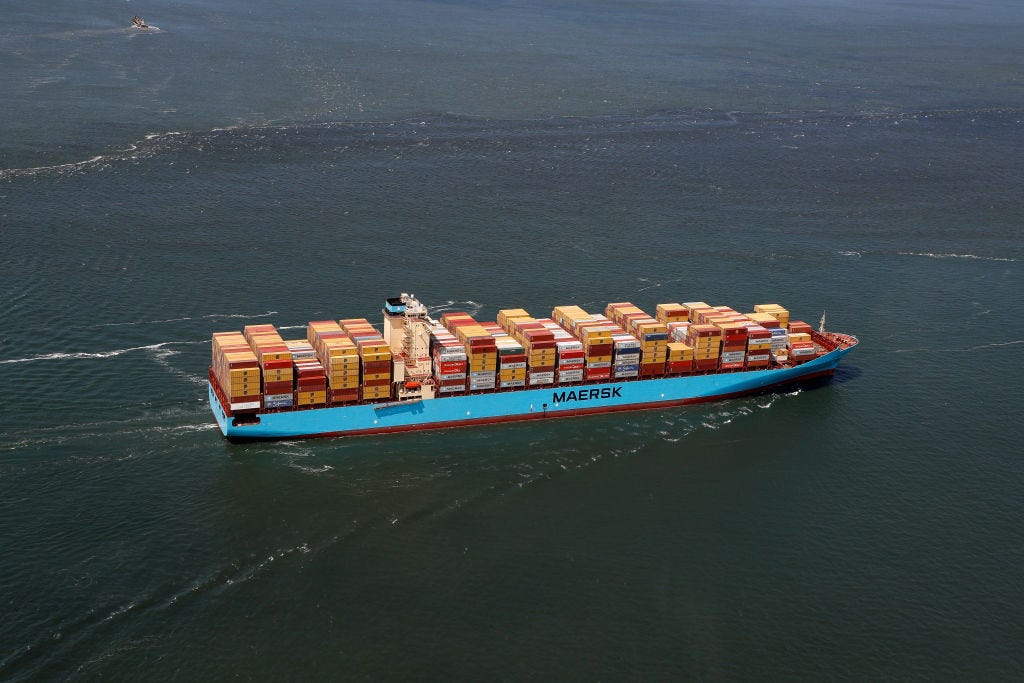
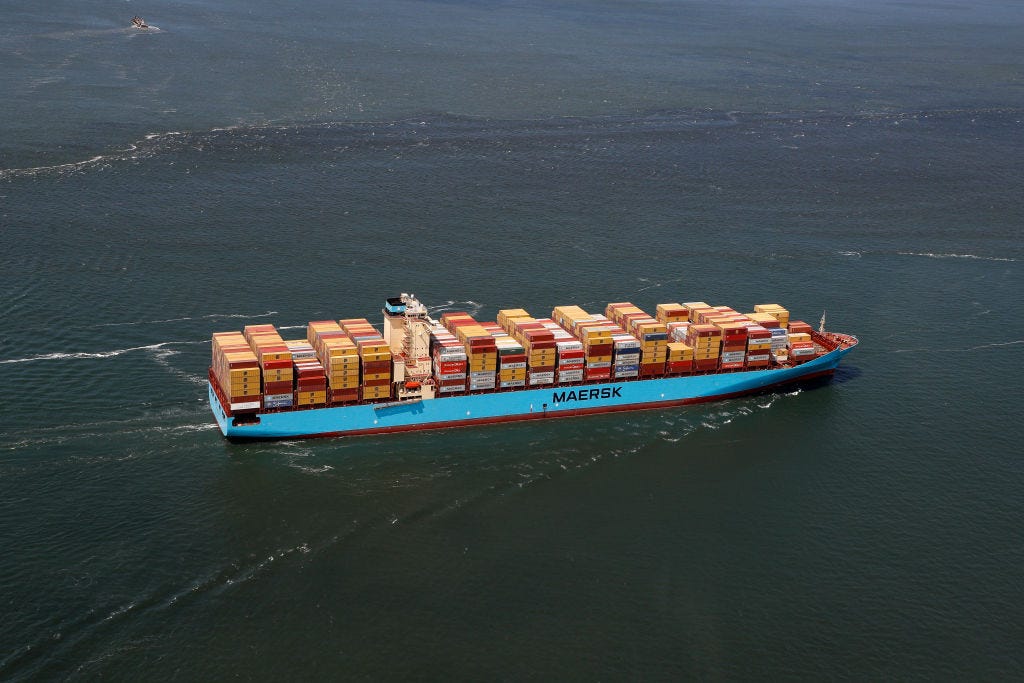
A.P. Moller-Maersk Expands Suez Canal Operations, Boosting Egypt’s Trade Prospects
A.P. Moller-Maersk, the world’s second-largest container shipping company, is making a significant move by resuming its operations through the Suez Canal. This decision marks a key step in restoring one of Africa’s most vital trade corridors, which generated a record $10.25 billion in revenue in 2023. The Suez Canal has long been a critical artery for global trade, and its return to full functionality could bring much-needed economic relief to Egypt, which saw its canal revenues nearly halved due to recent disruptions.
Resuming Key Shipping Routes
Maersk has announced the resumption of its Middle East-U.S. East Coast shipping service via the Suez Canal. This follows an earlier announcement to restore its Asia-Europe AE15 service with Hapag-Lloyd, another major shipping company. These moves signal a gradual reopening of the route, which had been largely abandoned since late 2023 when Houthi attacks in the Red Sea forced most shipping lines to reroute vessels around Africa’s Cape of Good Hope.
The return to the shorter trans-Suez route is expected to significantly reduce transit times. For the MECL service, westbound voyages will be cut by an average of seven days, while eastbound journeys could be up to 14 days faster than those taking the longer southern African route. This improvement is anticipated to enhance efficiency and reduce costs for shippers.
Economic Implications for Egypt
Egypt, which relies heavily on the Suez Canal for foreign currency, stands to benefit from the return of major global shipping companies. Before the Red Sea disruptions, the canal handled an estimated 12 to 15 percent of global trade. However, the Houthi attacks near the Bab el-Mandeb Strait led to a sharp decline in vessel traffic, reducing canal revenue from $10.25 billion in 2023 to about $4 billion in 2024 as ship transits nearly halved.
More recently, disruptions in the Strait of Hormuz have further complicated maritime trade, increasing security and insurance costs. Despite these challenges, some tanker traffic has shifted toward the Suez Canal, contributing to a partial recovery in traffic and revenue.
Increased Efficiency and New Calls
As part of the revised network, Maersk will introduce an eastbound call at Jeddah beginning in August. This addition is expected to improve connectivity between the Middle East and other regions. The MECL service connects India and the Middle East with the U.S. East Coast, while the AE15 service links Asia with Mediterranean and European ports.
Maersk operates approximately 735 container vessels with a combined carrying capacity of roughly 4.65 million TEUs. The company handles about 13.7 percent of global container capacity, making its decisions highly influential in the shipping industry.
Security Concerns Remain
Despite the positive developments, Maersk has emphasized that future operations remain dependent on regional security conditions. The company has contingency plans in place should the threat from Houthi attacks resurge. Since late 2023, Iran-backed Houthi militants have targeted more than 100 merchant vessels in the Red Sea and Gulf of Aden, leading to the sinking of commercial ships, the seizure of vessels, and the rerouting of major container lines.
The safety of crew, vessels, and cargo remains a top priority for Maersk. The company continues to monitor developments in the Red Sea and the Strait of Hormuz before restoring additional services. This cautious approach reflects the ongoing risks associated with the region.
Impact on Global Trade
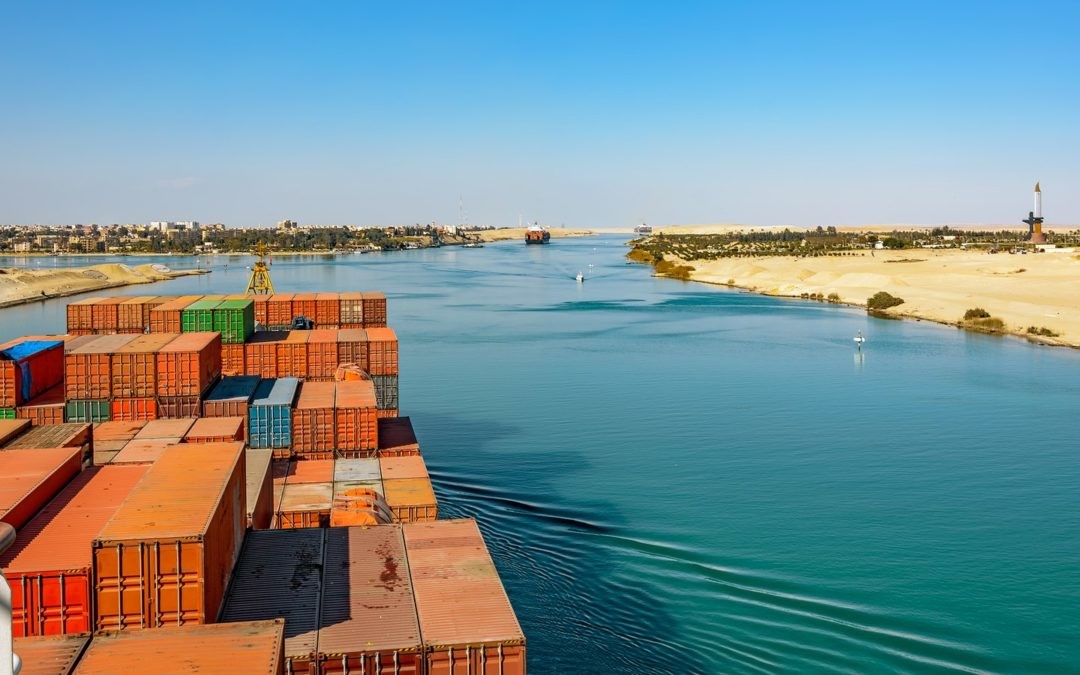
The return of major shipping lines to the Suez Canal has broader implications for global trade. Diverting vessels around the Cape of Good Hope has increased voyage times, freight costs, and port congestion. Southern African ports have seen higher bunkering and maritime activity, while exporters and importers face longer delivery times, higher insurance costs, and elevated freight rates.
As the Suez Canal regains its role as a key trade route, it is expected to alleviate some of these pressures and restore more efficient global supply chains. The gradual restoration of services by Maersk and other carriers is a positive sign for the future of maritime trade in the region.
Post a Comment for "Second-largest shipping giant returns to Africa's busiest waterway as Egypt targets revenue recovery"