
False Alarm on Recession: Economists Respond to April's GDP Numbers
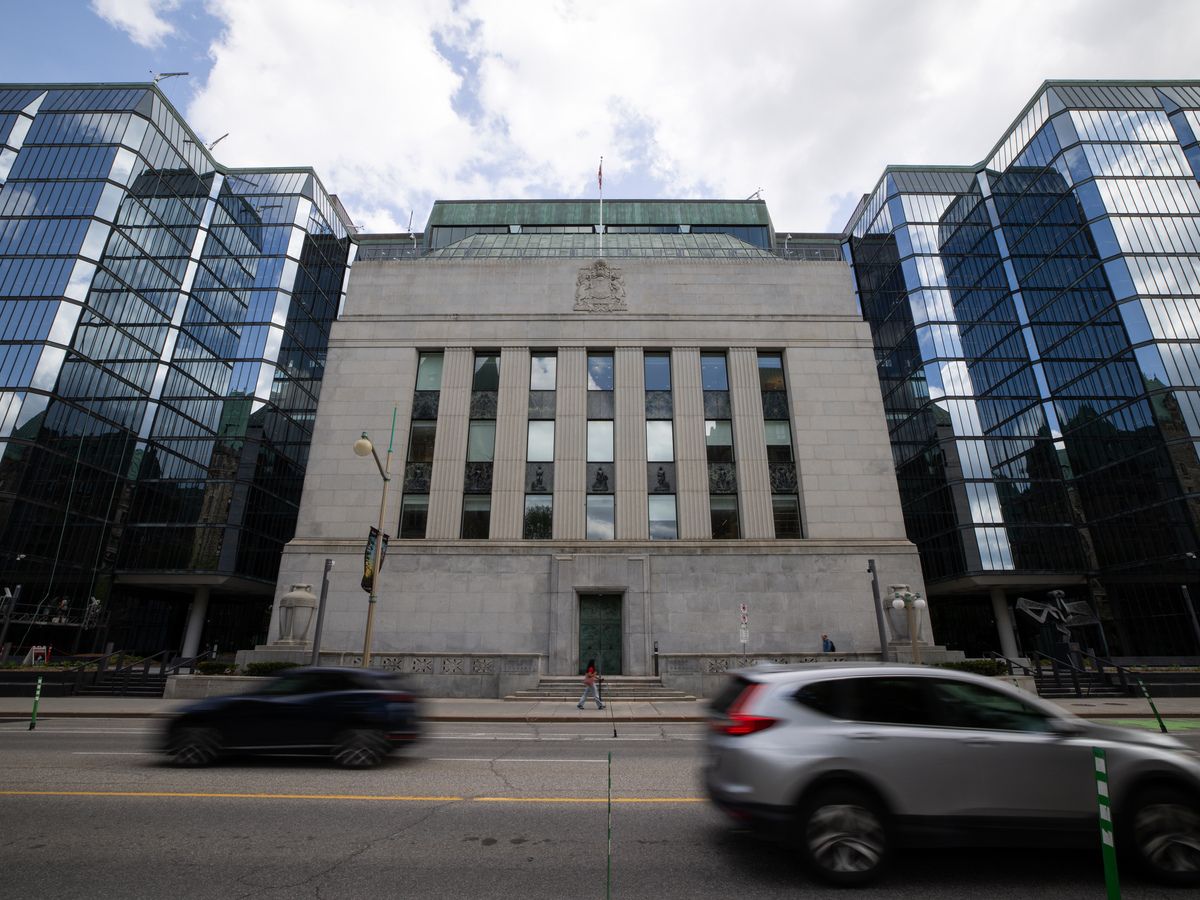
Canada’s economy delivered a stronger-than-expected performance in April, with real gross domestic product (GDP) rising by 0.5 per cent. This marks a significant rebound from the 0.1 per cent contraction recorded in March. The growth was primarily fueled by robust activity in the mining, quarrying, and oil and gas extraction sectors, according to Statistics Canada.
The positive GDP numbers have sparked discussions among economists about the likelihood of a recession in Canada. While many believe the bounce back is enough to quiet concerns about a technical recession, there is still uncertainty about whether the Bank of Canada will adjust its interest rates in the near future. Here's a closer look at what some of the leading economic experts had to say about the latest data.
'Broad-based' growth: TD
Toronto-Dominion Bank economist Marc Ercolao highlighted that the April GDP figures signal a “broad-based” recovery. He noted that 14 out of 20 industries saw growth, with goods-producing sectors reversing their previous decline and the services sector continuing its upward trend for the third consecutive month.
Ercolao emphasized that this growth suggests a smoother transition into the second quarter, with expectations of annualized growth above two per cent. He also pointed out that household demand remains a key driver of economic activity, while trade-exposed industries are showing signs of a tentative recovery.
According to TD, the Bank of Canada is likely to maintain its benchmark interest rate at 2.25 per cent, as firmer near-term growth reduces the urgency to cut rates. Inflation, meanwhile, is expected to remain contained for now.
'False alarm' on recession: BMO
Bank of Montreal chief economist Doug Porter described the April GDP numbers as a sign that the Canadian economy has "shook off the winter blues." He noted that manufacturing, construction, rail transportation, and pipeline activity all experienced synchronized rebounds.
Porter suggested that the second quarter started on a solid footing, with the potential for substantial upside to BMO’s current estimate of one per cent GDP growth for the quarter. If these trends continue, he said, the second quarter could see growth of over two per cent.
However, Porter also cautioned that May’s GDP growth of 0.1 per cent indicates that Canada is still growing below its potential. He called the two-quarter dip in output a “false alarm” on the recession watch, but stressed that the economy is not yet robust.
Rate hikes 'a long way off': Capital Economics
Thomas Ryan, North America economist at Capital Economics Ltd., said the strong GDP gains in April put second-quarter growth on track for a “rebound.” He noted that while the data should end any debate about a recession, growth in the first half of the year is still expected to fall short of the Bank of Canada’s forecasts.
Ryan highlighted standout performers in the goods-producing sectors, including construction and manufacturing, as well as strong growth in accommodation, food services, and public administration within the services sector.
Despite the strong April numbers, Ryan found the May GDP increase of 0.1 per cent slightly disappointing. However, he expects a stronger June, driven by lower oil prices and World Cup-related activity, which could push second-quarter GDP growth to around 2.4 per cent annually.
Economy 'back to life': CIBC
Andrew Grantham, senior economist at CIBC, said early tracking for the second quarter points to annualized growth of roughly 2.5 per cent. While this would be higher than the Bank of Canada’s last projection of 1.5 per cent, it would not fully offset the underperformance in the first quarter.
Grantham reiterated that CIBC continues to expect no change in the Bank of Canada’s overnight rate this year. He also noted that the growth in the second quarter may be somewhat inflated by the rebound in mining, oil, and gas, as well as increased spending related to the FIFA World Cup.
As a result, he expects growth to slow in the third quarter, reinforcing the need for interest rates to remain at current levels to support a sustainable recovery.
Broader Implications
Beyond the immediate GDP figures, there are broader implications for Canada’s economic trajectory. Full adoption of artificial intelligence and digital technology by small and medium-sized enterprises (SMEs) could generate up to $350 billion in economic growth. This highlights the potential for long-term transformation across various sectors.
With the economy showing resilience and a clear path forward, the focus remains on how policymakers and businesses can leverage these trends to drive sustained growth.
Post a Comment for "False Alarm on Recession: Economists Respond to April's GDP Numbers"