
Opinion: Will Healey Fund UK Defense Boosts He Once Demanded?
The Tension Between Defense and Finance in the UK
In many countries, the relationship between finance ministries and defense ministries is often fraught with tension, particularly when it comes to budget allocations. This dynamic is no different in the United Kingdom, where the Treasury and the Ministry of Defence have found themselves at odds over defense spending levels.
Under the leadership of Keir Starmer, the Treasury faced criticism from the Ministry of Defence for not meeting NATO's target of 3.5 percent of GDP on defense by 2035. Instead, the government set a more modest goal of raising defense spending to 2.7 percent of GDP by 2030. However, the then-Minister of Defence, John Healey, argued that the country should aim for 3 percent by that time. His dissatisfaction led him to resign, citing what he saw as serious budget shortfalls and a lack of commitment from the Treasury to ensure national security in an era of rising threats.
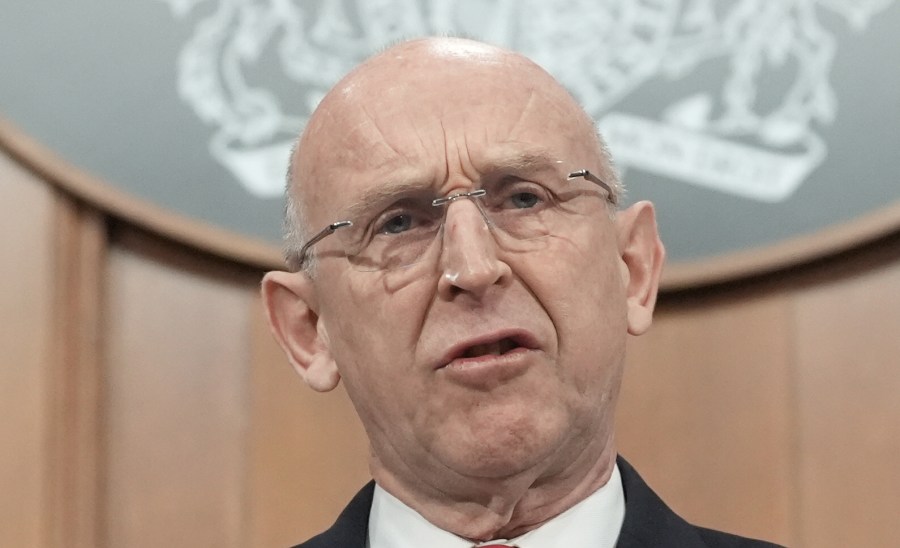
Healey, who has since become Chancellor of the Exchequer in the new Andy Burnham government, now oversees the very department he once criticized. Burnham has made promises about increasing defense spending but has yet to make any concrete commitments. His statements have been vague, with only a promise to "set out more on defense in due course."
Wes Streeting, who took over the Ministry of Defence after Burnham moved into 10 Downing Street, has also emphasized the importance of meeting international defense commitments. However, he has not provided details on how the government plans to secure the necessary funding. Specifically, there is no clear source identified for the £15 billion added to the budget before Starmer left office or for the additional £2.3 billion estimated by the Office for Budget Responsibility to meet Healey’s 3 percent target.
Despite these challenges, both Streeting and Healey have reiterated the UK’s commitment to increasing defense spending. Healey stated that fiscal credibility is essential for economic stability and national security, and he echoed the Prime Minister’s pledge to meet defense commitments to international allies. Yet, neither has provided specifics on how these commitments will be fulfilled.
One potential solution to raise more funds for defense could have been the issuance of defense bonds. At one point, Healey appeared to support this idea, but the government has since ruled it out. Instead, the Treasury is considering raising £10.3 billion through budget transfers from other agencies, a move that may prove difficult given Burnham’s other spending priorities.
Burnham has promised to lift the country out of its economic stagnation, improve public services, and consider raising individual tax exemptions, which have been frozen since 2021. The government estimates that unfreezing these exemptions by 10 percent could cost over £17 billion annually, roughly matching the defense budget shortfall.
The Office for Budget Responsibility has warned that the UK is on an "unsustainable" trajectory, adding to the pressure on Healey to find a way to support the defense increases he once advocated for. Streeting has claimed that social justice and national security can go hand in hand, suggesting that the Treasury is a firm ally in this effort.
Burnham recently clarified that he has made "no immediate commitment" to raise the tax allowance, which may indicate that defense spending could indeed increase. However, it remains unclear whether Healey will continue to advocate for the 3 percent GDP target or adopt the traditionally cautious approach of the Treasury in light of the country's fiscal challenges.
This situation echoes historical examples, such as Caspar Weinberger, who was known for cutting budgets during his tenure as Director of the Office of Management and Budget under Richard Nixon. Despite this, he became a strong advocate for defense spending under the Reagan administration, overseeing the largest peacetime military buildup in American history.
Healey, on the other hand, has taken a different path, moving from a defense minister seeking increased funding to leading the ministry that typically advocates for reductions. Whether he will continue to push for a defense budget that reaches 3 percent of GDP by 2030 or adopt the Treasury's traditional stance remains uncertain.
Dov S. Zakheim is a senior adviser at the Center for Strategic and International Studies and vice chairman of the board for the Foreign Policy Research Institute. He served as Undersecretary of Defense (Comptroller) and Chief Financial Officer for the Department of Defense from 2001 to 2004 and as Deputy Undersecretary of Defense from 1985 to 1987.
Post a Comment for "Opinion: Will Healey Fund UK Defense Boosts He Once Demanded?"