
US Innovates, China Constructs AI Market
Keynote Speech by Chinese President Xi Jinping at the World Artificial Intelligence Conference
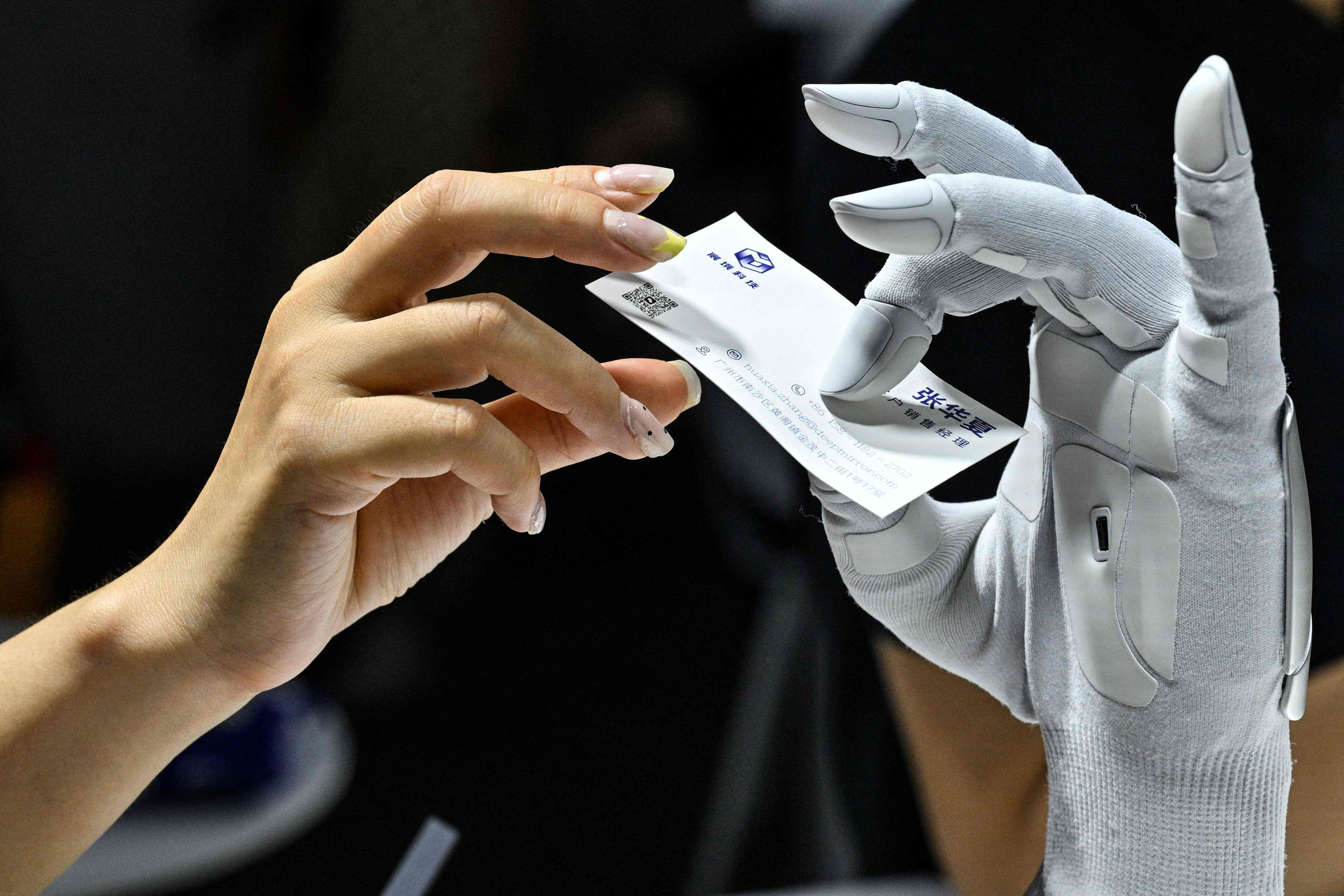
Chinese President Xi Jinping delivered a keynote speech at the opening ceremony of the World Artificial Intelligence Conference (WAIC) in Shanghai. The event, which began on the 17th, marked a significant moment as it coincided with the start of the 15th Five-Year Plan—a strategic blueprint for China’s development over the next five years. His participation underscored the importance of artificial intelligence (AI) in shaping China's future. During his address, President Xi emphasized the need to support developing countries in building AI capabilities and lead global AI governance. This statement is seen as a reflection of China's vision for an "AI Belt and Road" initiative, aimed at expanding its influence in the Global South.
He also highlighted how various intelligent terminals have entered countless households, making “Made in China” a symbol of Chinese-style modernization. This was interpreted as a declaration that China aims to transition from being the world’s factory to becoming a global hub for AI production and application.
AI Innovation and Market Expansion
The WAIC exhibition hall served as a showcase for this strategy in action. Over 1,100 companies displayed more than 3,000 AI products and technologies, creating a vibrant atmosphere. Among the notable exhibits were AI glasses powered by Alibaba’s Qwen model, independently developed GPU chips, AI token factories, and humanoids. These innovations reflected China's growing prowess in AI development.
Historically, there have been instances where the U.S. has pioneered technologies, while China has driven their market adoption. Electric vehicles, drones, and solar power originated in the U.S., but it was China that created early demand, scaled production, reduced prices, and dominated global markets. This formula has allowed China to maintain confidence despite U.S. technological restrictions.
AI + Consumption Policy and Consumer Support
This approach is now being applied to AI products. On June 18, eight Chinese ministries, including the Ministry of Commerce, announced an “AI + Consumption” policy. This initiative expands support for digital and smart product purchases to include AI terminals. It also allows local governments to design their own subsidies for next-generation smart devices under the renewal program (以舊換新). Additionally, AI product purchases receive support for personal consumer loan interest.
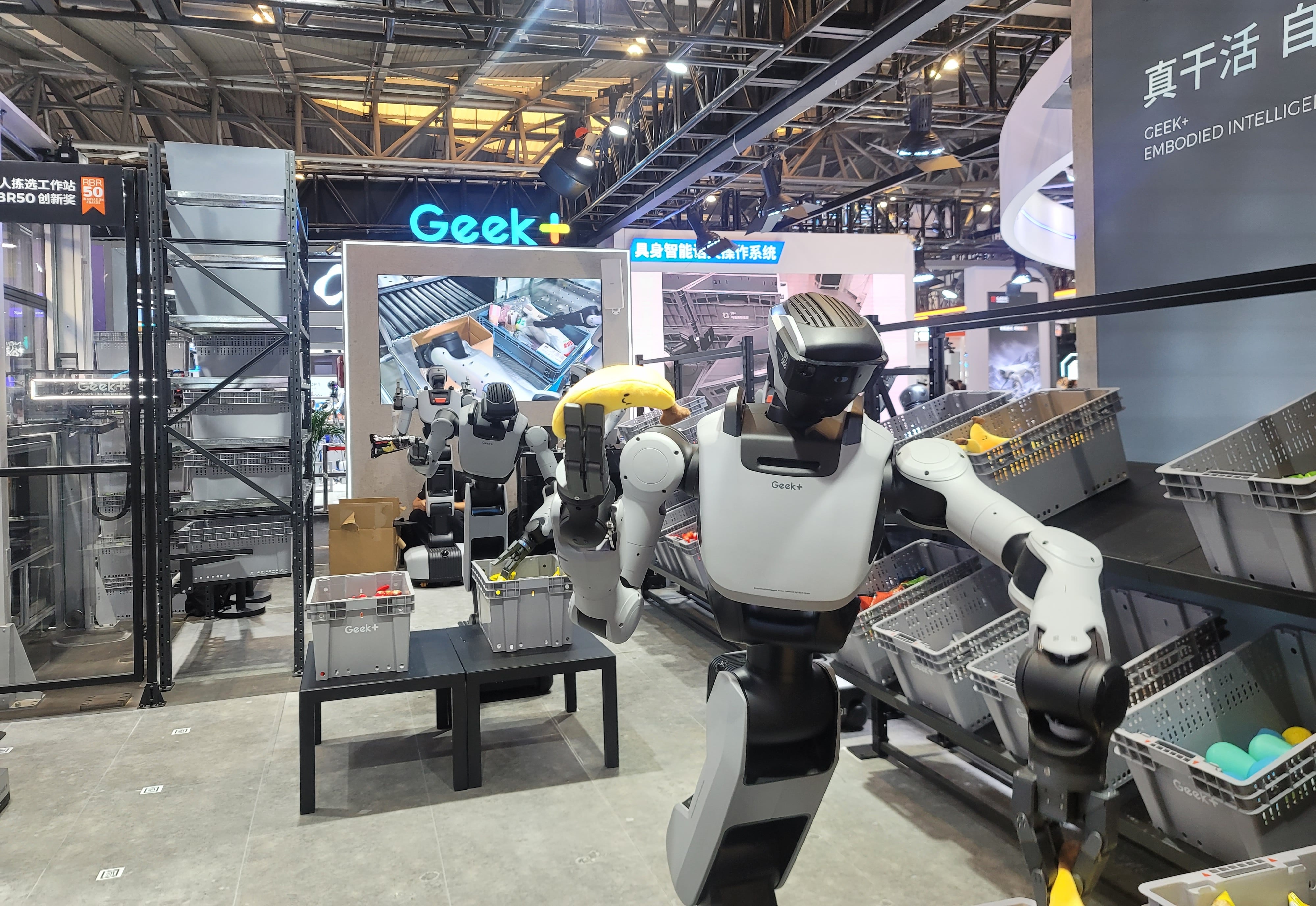
Humanoids are a standout product in this context. At the WAIC venue alone, approximately 200 companies in the embodied intelligence sector exhibited over 300 humanoids, core components, and AI models for robots. This display resembled an AI military parade, highlighting the scale of innovation in the field.
Strategic Goals and Market Creation
China’s goal is not merely to nurture a few AI companies but to create an “AI Made in China” market by transforming smartphones, appliances, automobiles, glasses, and robots into AI products. To achieve this, it supports consumer purchases. By making consumers the first customers, the data and feedback generated will drive product improvements, price reductions, and supply chain expansion.
U.S. and South Korea's Approaches
The U.S. also recognizes this formula. It learned from electric vehicles that invention alone cannot secure the market. Though methods differ, the U.S. has begun strategies to create demand. In summer 2025, the General Services Administration (GSA) established a government-wide procurement contract offering Google’s Gemini for Government at 47 cents per agency and ChatGPT Enterprise and Claude at $1 for the first year. Instead of merely funding research, the government became a key customer, providing frontier AI companies with real demand and references.
China positions its people as the first customers for AI, while the U.S. government takes that role. Although the means appear opposite, both nations intentionally design AI demand. This is an aspect that South Korea is missing. South Korea recently announced a 4,755 trillion Korean won investment plan focused on AI data centers, semiconductors, and physical AI, and is promoting a “one AI agent per citizen” policy. While the direction is correct, the focus remains on infrastructure, technology, and supply base expansion.
The Importance of Initial Markets
What drives companies is not subsidies themselves but a repeatable market formed by those subsidies. With an initial market, companies refine products through customer feedback, attract investment based on sales, and grow independently. In the AI transformation era, governments must shift from “funders” to “first buyers.” Public institutions should set AI procurement targets, and central and local governments must become the first customers for domestic startups.
South Korea lacks the U.S.’s vast government procurement market or China’s 1.4 billion domestic market. Therefore, it must design initial markets faster and more precisely. It should transition government services to AI-native systems before the U.S. and deregulate medical, educational, manufacturing, and care sectors faster than China to become the country where new products can be tested most rapidly.
South Korea’s unique position between the U.S. and China will not come from possessing the largest technology. It must become a nation that opens markets first by being the first customer for innovative companies.
Membership Offers for Readers
월 5900원 멤버십, 신문 독자에게는 2900원, 조선멤버십
55000원 상당의 신문-잡지 8종 마음껏 보기, 조선멤버십
현금처럼 쓸 7000포인트 받아 알뜰한 쇼핑, 조선멤버십
Post a Comment for "US Innovates, China Constructs AI Market"