
Hochul’s Subway Cop Funding Gone — Mamdani Forced to Keep Adams’ Overtime Deal
A $77 Million Promise, a Sudden Fiscal Cliff: Subways Face Patrol Shortfall After State Funds Dry Up
A critical financial lifeline for New York City’s subway safety has abruptly vanished—leaving the city scrambling to maintain an increased police presence in underground transit lines. The $77 million state funding, promised by Governor Kathy Hochul in December as a key part of her push to restore public confidence in the subway system, was fully exhausted by July, just weeks into the fiscal year. This revelation comes at a time when crime on the subways is rising, particularly in violent assaults, and Mayor Zohran Mamdani now faces the difficult task of honoring a prior agreement made under his predecessor, Eric Adams.
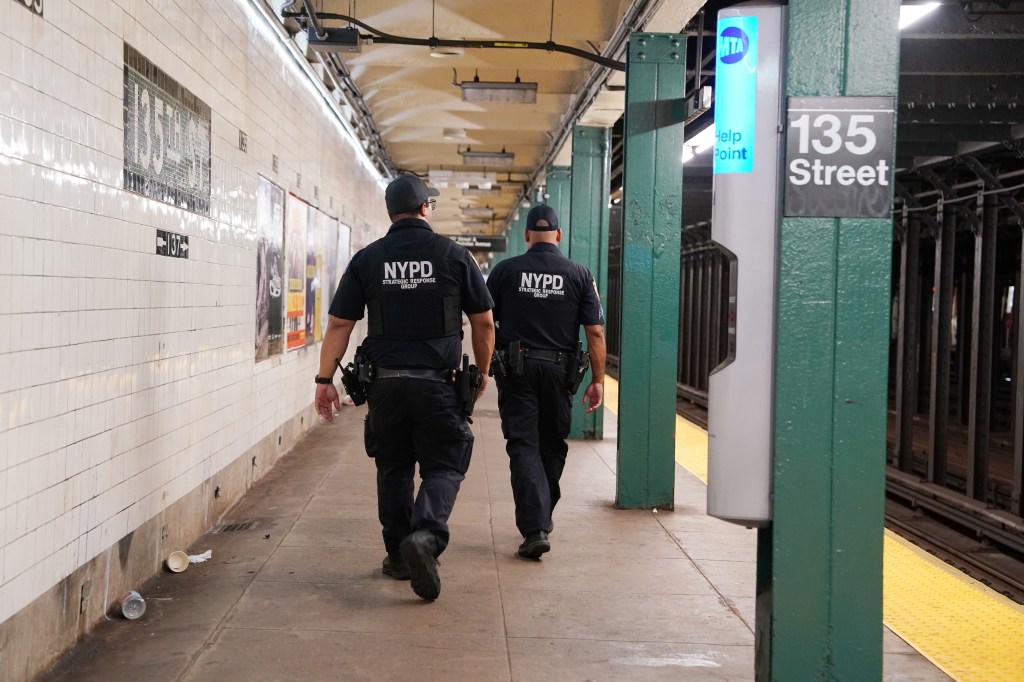
The state funds were intended to support surge patrols, covering overtime costs for over 600 NYPD officers per day during peak times and high-risk periods. At the time of Hochul’s announcement, she emphasized that the investment would allow the Police Commissioner discretion to deploy extra officers where needed most, ensuring riders felt safe and secure while navigating the city’s vast rail network.
However, new details show that the arrangement came with a hidden condition: the city would be responsible for matching half of the funding—$77 million—for the second half of 2026. That commitment was never publicly disclosed during the initial rollout, leaving many unaware that the state’s contribution was only meant to cover one-half of the year.
Now, with the state funds gone, the burden falls squarely on the city budget—a move that contradicts Mayor Mamdani’s campaign promises to eliminate police overtime and reduce reliance on law enforcement spending.
Rising Crime, Shrinking Resources
Despite overall subway crime dropping by about 1% this year, the data paints a troubling picture when broken down by category:
- Felony assaults have risen by 8% compared to the same period last year.
- Misdemeanor assaults have surged nearly 18%, reaching approximately 1,200 incidents through August.
- The number of repeat felony assault offenders has skyrocketed—263 individuals arrested three or more times by August 31, a 205.6% increase from 2018 levels.
These statistics underscore a growing concern among transit users and city officials alike: while some metrics suggest stability, others point to a troubling escalation in violence and recidivism.
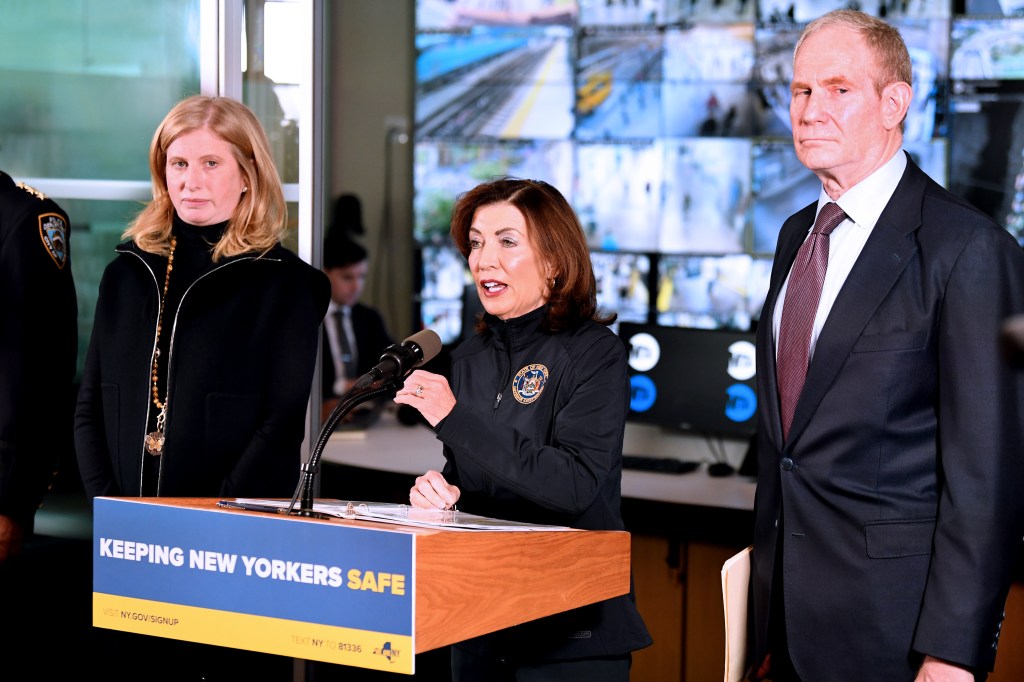
Even more concerning is the disconnect between political messaging and fiscal reality. Mayor Mamdani, a self-described socialist and member of the NYC chapter of the Democratic Socialists of America (DSA), has consistently advocated for defunding the NYPD and reallocating resources toward community-based safety initiatives. Yet, despite this rhetoric, he has not addressed the mounting cost of sustaining additional officer patrols.
His first budget, unveiled earlier this year, included a massive $126 billion figure—an increase of $10 billion from the previous year. While this budget allocated $250 million to the scaled-down Office of Community Safety and $54 million to the newly created Office of Mass Engagement (a department critics describe as a vehicle for political branding), it also cut plans to add 580 new officers—a decision that was expected to help reduce overtime expenses over time.
This contradiction raises questions about the city’s long-term strategy: Is the administration truly committed to reducing police presence, or is it simply shifting the financial burden of maintaining current levels of policing?
Continued Patrols Despite Funding Gaps
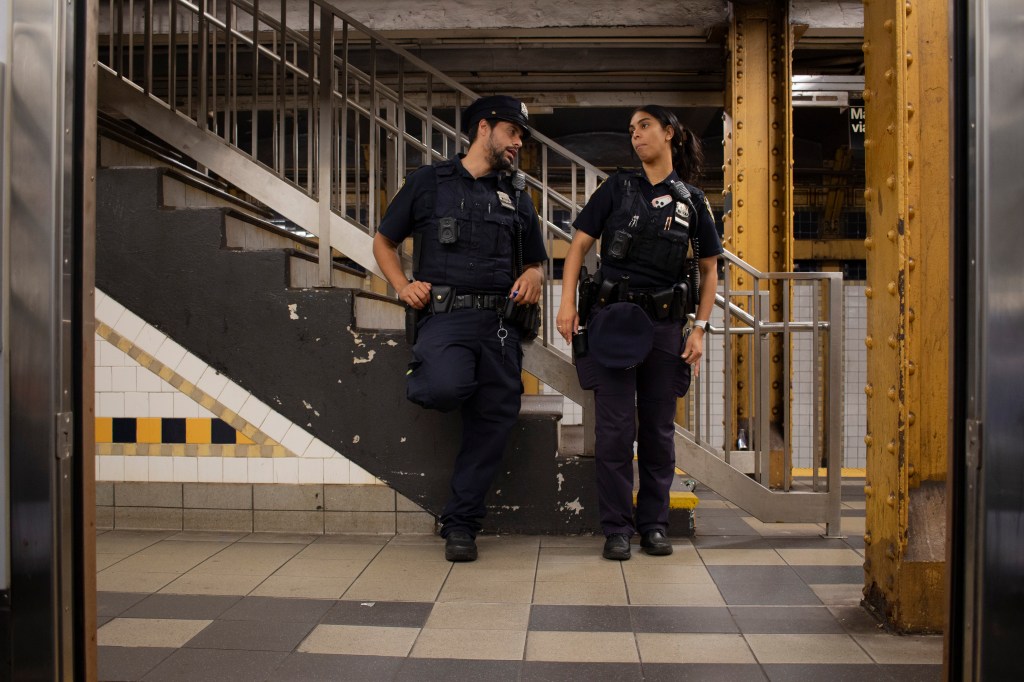
Despite the depleted state funds, the NYPD has confirmed that extra patrols will continue across the subway system. According to a department spokesperson, “enhanced NYPD subway patrols remain a top priority,” and operations are unaffected—at least for now.
Mayoral spokesman Sam Raskin echoed this, stating: “The City and State will continue to support enhanced NYPD subway patrols under the existing funding arrangement.”
Hochul’s office added that the city had agreed in December—before Mamdani took office—to cover the second half of 2026’s costs. However, the governor made no mention of this obligation during her original announcement, instead framing the $77 million as a standalone, transformative investment.
“This is not a surprise,” said Anthony Hogrebe, Hochul’s press secretary. “For the last two years, the governor has provided $77 million to the city to pay for elevated NYPD presence in the subway system for half the year, with the City providing reciprocal funding that covers the other half of the year. That agreement remains fully in place and there has been no disruption to overtime coverage.”
Yet, with the state money spent and no clear plan for how the city will fund the remaining half-year, the sustainability of these patrols remains uncertain.
Public Perception and the Road Ahead
Still, a majority of subway riders report feeling safe—71% say they feel secure riding the trains, according to NYPD surveys. This suggests that visible police presence continues to play a role in deterring crime and reassuring the public.
But as the fiscal cliff looms and political tensions grow, the question remains: can the city afford to keep up the pace? With no new funding sources announced and the Mamdani administration focused on restructuring priorities, the future of subway safety may hinge on whether political commitments can survive the realities of municipal accounting.
As the summer months progress and crime trends evolve, one thing is clear—the promise of safer subways cannot outlive the funding that supports them.