
Charlotte Faces Crossroads: Council to Decide Fate of I-77 South Toll Lane Project
Charlotte Faces Critical Decision on I-77 South Toll Lane Expansion
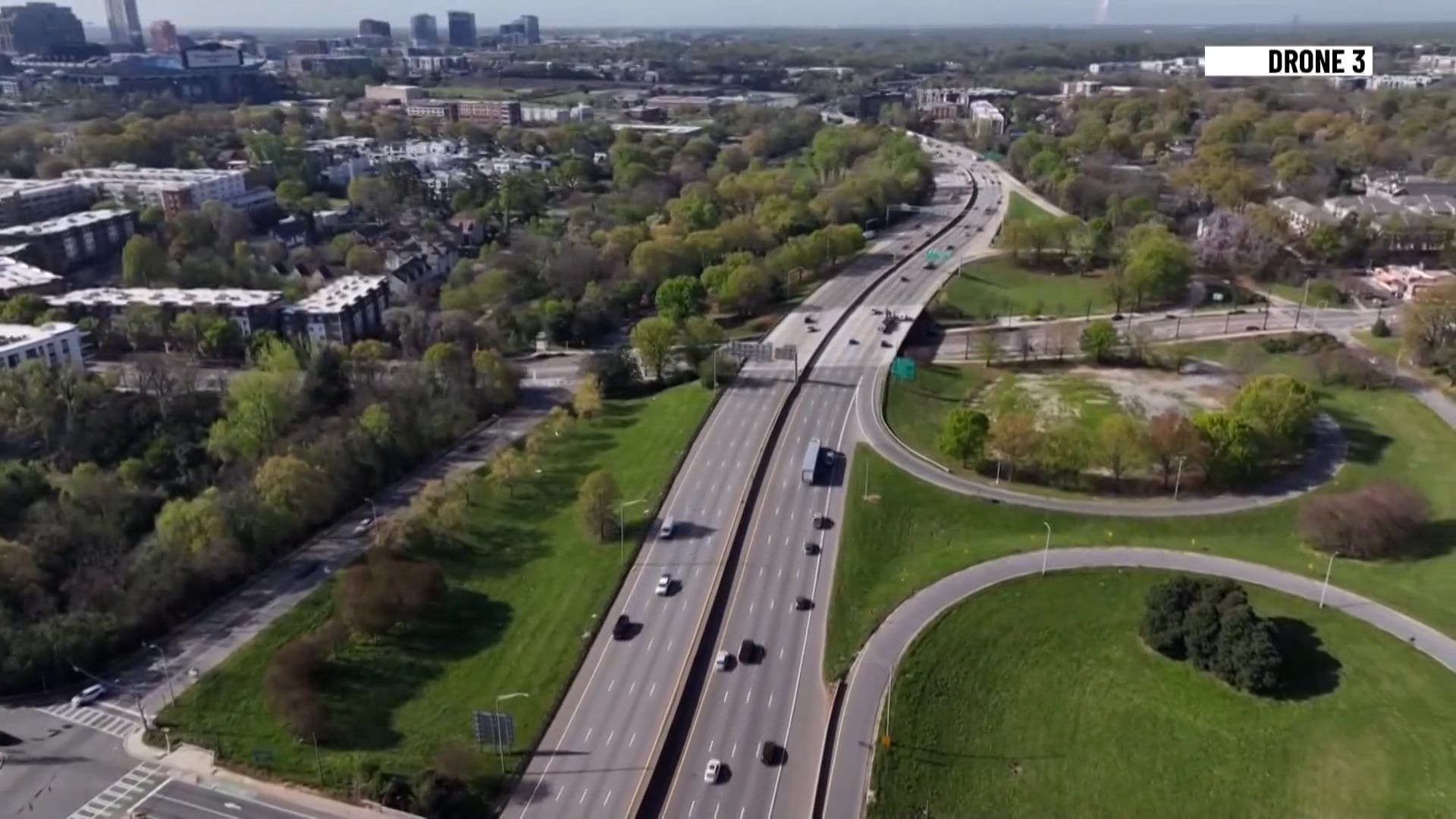
As the sun sets over Charlotte’s skyline, a pivotal moment looms for city leaders and residents alike. On Monday night, the Charlotte City Council is set to confront one of the most divisive transportation debates in the city’s recent history—the future of the I-77 South toll lane expansion project. This decision could mark either the final chapter in a decade-long controversy or reignite a battle that has already fractured communities, strained local budgets, and tested the limits of civic trust.
The proposed expansion, initially conceived in 2014, aimed to transform the stretch of I-77 from Uptown Charlotte all the way to the South Carolina border by adding dedicated toll lanes. Proponents argued it would ease congestion, improve travel times, and generate revenue through user fees. But for years, the project has been mired in opposition, particularly from residents of historically significant neighborhoods in west Charlotte, including McCrorey Heights.
These communities have long voiced concerns about disproportionate impacts—noise pollution, environmental degradation, and the potential destruction of cultural landmarks. The original plans threatened to cut through established residential zones, raising alarms about displacement and the erasure of heritage. Even after revised maps released in March suggested some areas might be spared, distrust remained. Many residents felt the changes were too little, too late.
That skepticism reached a boiling point in May when both the Charlotte Regional Transportation Planning Organization (CRTPO) and the City Council made the unexpected move to rescind their support for the project. It was seen as a victory for community advocates—a clear signal that public input had influenced policy. However, the triumph was short-lived.
In response, state lawmakers pushed back with a bold legislative move: a bill requiring counties to reimburse tens of millions of dollars already spent on planning and preliminary work. The financial burden, estimated at up to $70 million, now rests squarely on Charlotte’s shoulders—an amount that could force drastic cuts elsewhere or trigger new tax increases.
Adding fuel to the fire, state transportation officials recently unveiled a $300 million incentive package designed to revive the project. The offer comes with strings attached: if Charlotte doesn’t move forward, it risks losing state funding for other infrastructure priorities. This pressure has left city leaders in a precarious position—balancing fiscal responsibility, legal obligations, and the will of their constituents.
At the heart of this debate are real people whose lives are directly impacted. Karen Withrow, a lifelong resident of McCrorey Heights, speaks with quiet resolve. “I like that it’s quiet here,” she says. “The road is kind of loud over there, but other than that, I love the people.” She’s witnessed firsthand how traffic noise intensifies during rush hours, especially around 6 p.m. “Expanding the highway will only make it worse,” she warns. “We already have enough noise. Why do we need to widen it further?”
Her sentiment echoes across the neighborhood. Residents aren’t opposed to progress—but they demand alternatives. They question why the state insists on expanding a highway through historic, densely populated areas when smarter solutions may exist.
Robert Dawkins, political director of Action NC, believes the council could still pivot. “After a close vote earlier this year and with these new financial stakes, the council might reconsider,” he said. “But Charlotte, the largest city in North Carolina and responsible for over 30% of the state’s GDP, should stand firm. We’re not wrong—and the people don’t want this.”
Dawkins argues that if the project moves forward, it must come with a transparent, long-term plan—one that includes public input, environmental assessments, and a commitment to equity. “They need to sit down and talk,” he said. “There has to be another way.”
The stakes couldn’t be higher. If the council votes to support the expansion, it could pave the way for construction within the next few years. If not, the project may be shelved indefinitely—or forced into a legal showdown between city and state.
Here’s how the council voted in May:
-
Voted to rescind support:
Malcolm Graham
Renee Johnson
J.D. Mazuera Arias
Joi Mayo
Victoria Watlington
LaWana Mayfield -
Voted against rescinding support:
Dimple Ajmera
Dante Anderson
Ed Driggs
Mayor Pro Tem James Mitchell
Kimberly Owens
Monday’s meeting begins at 6:30 p.m., and the council chamber is expected to be packed with concerned citizens, advocacy groups, and media representatives. The outcome will shape not just Charlotte’s highways—but its identity, its values, and its relationship with state power.
Post a Comment for "Charlotte Faces Crossroads: Council to Decide Fate of I-77 South Toll Lane Project"