
Crackdown on Sports Piracy: Overreach or Necessary Measure?
The Rise of Football as Big Business and the Digital Divide
In July 1995, a headline in The People newspaper declared with dramatic flair: "Football's Gone Round the Spend!" The story captured the nation’s attention as three English clubs prepared to shell out over £20 million on new players—an astronomical sum at the time. At the center of the frenzy was the transfer of Stan Collymore from Nottingham Forest to Liverpool for a then-British record fee of £8.5 million. While today such figures seem almost routine—especially with recent transfers eclipsing the £100 million mark—the shockwave caused by Collymore’s move was profound. It marked a turning point, signaling football’s irreversible shift from a beloved pastime into a high-stakes global enterprise.
This transformation didn’t happen overnight. It was fueled by structural changes in the early 1990s, most notably the formation of the Premier League and its groundbreaking television deal with Sky. For the first time in British history, live top-tier football was locked behind a paywall. Sky paid more than £300 million for exclusive rights over five years—a staggering investment that redefined how sports were monetized. The model proved wildly successful, creating a new era of wealth for clubs, broadcasters, and sponsors alike. Soon after, other major sports—including Formula One, rugby’s Six Nations, and tennis’ Wimbledon championships—followed suit, selling broadcasting rights at premium prices and embracing the same subscription-based strategy.
But now, that golden era is under siege.

The Pirate Problem: A Crisis of Access and Ethics
Piracy has evolved from a minor nuisance into a systemic threat to the entire sports media ecosystem. According to research by Ampere Analysis, nearly half of all sports fans in the UK now admit to using what they might politely call “alternative means” to access paywalled content—essentially, illegal streaming or unauthorized subscriptions. This isn’t just a trend among tech-savvy youth; it spans generations. Daniel Monaghan, a researcher at Ampere Analysis, notes that over 70% of viewers aged 18 to 34 regularly engage in this behavior, while more than half of those aged 35 to 44 and about one-third of people between 45 and 64 do the same.
These numbers reflect not only changing viewing habits but also growing frustration with pricing models and restrictions. As traditional broadcast platforms like Sky and TNT Sports struggle to retain subscribers amid declining advertising revenue and shifting consumer preferences, the pressure to protect their investments has intensified. In response, law enforcement and regulatory bodies have begun cracking down harder than ever.

Crackdowns and Consequences
The summer of 2024 brought a wave of high-profile legal actions against individuals involved in large-scale piracy operations. In August, a man from Lancashire was sentenced to six and a half years in prison for operating an illegal streaming service that reportedly generated nearly £1 million in illicit profits. Just months earlier, a postman from Pembrokeshire received over three years behind bars for distributing fake subscriptions and pirated software to nearly 2,000 users. Another individual from Merseyside avoided jail but was handed a suspended 32-month sentence for similar crimes.
Meanwhile, pubs across England have faced hefty fines—some amounting to thousands of pounds—for screening matches without proper licensing. These penalties underscore a broader reality: the financial stakes are too high for broadcasters and leagues to ignore the damage caused by unauthorized access.
Yet despite these efforts, the problem persists—and grows. The digital-native generation, raised on free content and instant gratification, sees little moral issue with bypassing paywalls. For many, the cost of multiple subscriptions is simply prohibitive. And when key games are unavailable on their preferred platform, they turn to the web.

The Champions League Final: A Watershed Moment
This year’s Champions League final became a flashpoint in the ongoing debate. For the first time in over three decades, the match was fully behind a paywall in the UK. Viewers were required to pay at least £4.99 to watch the game live—an increase that sparked widespread criticism. Even Sir Keir Starmer, then the Prime Minister and a passionate Arsenal supporter, weighed in publicly: “Hardworking people shouldn’t have to fork out for a subscription to watch this match.”
His message resonated deeply. Research conducted by Gaming Compliance International on behalf of The Guardian revealed that 3.7 million IP addresses accessed illegal streams of the final within the UK, compared to approximately seven million who watched legally. That’s nearly half the audience opting for the underground route.
One such viewer is "Kiran," a tech worker in his 30s who prefers anonymity. A devoted Arsenal fan, he follows Premier League fixtures, Champions League showdowns, and top Spanish La Liga matches. He subscribes to TNT Sports—but still turns to free streaming sites for games not covered by his plan.
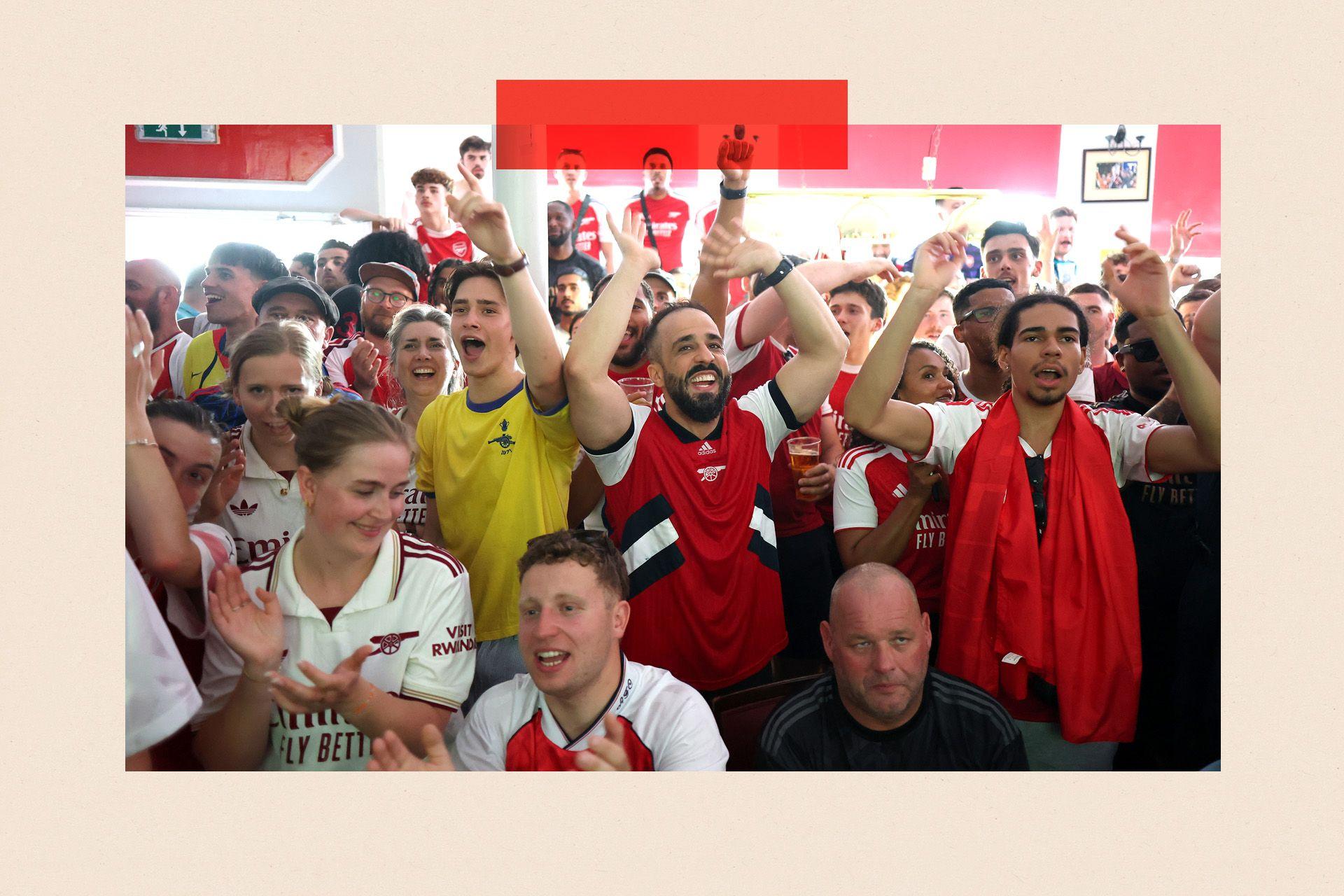
“What it comes down to is the financial side—that’s the big one—and ease of access as well,” he explains. “Getting every single game will cost you hundreds of pounds a year.” For him, the appeal of free streams—readily shared via social media links—is undeniable. But there’s another factor: the infamous blackout policy.
Games scheduled between 14:45 and 17:15 on Saturdays are typically not shown live on UK television. This decades-old rule was designed to protect attendance at lower-league matches by ensuring fans would attend games in person rather than watching them on screen. Yet in today’s fragmented media landscape, it feels increasingly outdated—and frustrating to millions of viewers who want immediate access to the biggest matches.
The Rise of Illegal Streaming: A Cultural Shift in Sports Viewing
As legal access to sports content becomes increasingly expensive and restrictive, a growing number of fans are turning to alternative, often illegal, methods to watch their favorite matches. This shift is not merely about convenience—it reflects deeper frustrations with the current model of sports broadcasting, where high subscription costs and regional blackouts have pushed viewers toward unofficial sources. For many, like Kiran, the decision to turn to pirated streams began as a practical workaround during a blackout period but evolved into a regular habit, especially as legitimate services raised prices. “I pretty much got into streaming stuff due to [the blackout],” Kiran explains, “and I’d say I sort of did it a bit more as subscriptions got more expensive.” His experience is far from unique.
The tools used to access pirated content are now widely available and relatively easy to use. Online forums and social media groups serve as hubs for sharing live streaming links, often accompanied by tips on how to avoid common pitfalls—such as sudden stream failures or fake sites that redirect users to adult content. While these links offer immediate access, they come with significant drawbacks: inconsistent video quality, frequent buffering, and the risk of malware exposure. In some cases, viewers are bombarded with intrusive pop-ups promoting pornography or other illicit material, undermining the user experience and raising privacy concerns.
A popular alternative among tech-savvy fans is the Amazon Fire Stick—a compact, affordable device that connects to a TV and supports third-party apps. Although the hardware itself is legal, it can be "sideloaded" with unauthorized software that mimics premium streaming platforms. These modified versions allow users to access bundles of channels without paying subscription fees, effectively replicating the look and feel of official broadcasters. The ease of setup and affordability make such devices particularly appealing, especially to younger audiences who value flexibility over long-term commitments.
Another method gaining traction is the use of Virtual Private Networks (VPNs). By masking a user’s real location, a VPN enables them to appear as if they’re accessing content from a country where sports broadcasts are cheaper—or even free. This allows UK viewers to bypass regional pricing models and access lower-cost international feeds, often through platforms like DAZN, which may offer better deals in countries such as Germany or Spain. While technically legal in most jurisdictions, using a VPN to circumvent licensing agreements raises ethical and legal gray areas, especially when combined with pirated content.
This trend has been fueled by widespread public acceptance. According to a 2024 survey by the Sports Industry Group, nearly 60% of fans consider illegal streaming socially acceptable. This normalization stems largely from dissatisfaction with the cost of legal services. As the UK’s Intellectual Property Office notes, “a main driver of illegal content access is the perception of unfair or high pricing for legal services.” Watching every Premier League match legally requires subscriptions to both Sky Sports and TNT Sports, with additional costs for international leagues like La Liga, the Champions Cup, and niche events such as boxing or NFL games—all of which may be hosted on separate platforms like DAZN. For dedicated fans, monthly expenses can easily exceed £80 to £100, making piracy an attractive alternative.
Until recently, broadcasters were slow to act against piracy. Their primary focus was audience growth rather than enforcement, viewing copyright infringement as an unavoidable cost of doing business. In fact, some industry leaders once saw piracy as beneficial. In 2013, Jeff Bewkes, then CEO of Time Warner, famously praised the global piracy of Game of Thrones, arguing that the attention it generated was more valuable than any award, helping boost subscriber numbers across his network. That mindset has since changed dramatically.
Today, traditional broadcasters face mounting challenges. Declining ad revenues, shifting consumer habits, and the rise of flexible streaming platforms like Netflix, Amazon Prime, and Apple TV have disrupted the old model. Both Sky and TNT Sports have reported financial losses, signaling a crisis in sustainability. A recent study by WPI Economics estimates that illegal sports streaming costs the industry approximately £700 million annually—an amount that continues to grow as detection and enforcement lag behind technological innovation.

The Ripple Effect on Grassroots Football
The consequences of piracy extend beyond profit margins—they are already impacting the sport at the grassroots level. At a major sports rights conference last year, Tom Burrows, head of global rights at DAZN, described piracy as a “huge problem,” even calling it “almost a crisis for the sports rights industry.” His warning came just months before DAZN ended its exclusive agreement with Ligue 1, the top tier of French football. The termination followed intense disputes over the league’s efforts to combat online piracy, although declining subscriber numbers also played a role.
Despite paying a staggering €100 million (£85 million) to exit the contract—plus another €140 million in unpaid rights fees—DAZN’s departure left a significant void in France’s sports ecosystem. The French league was forced to launch its own streaming platform, Ligue 1 Uber Eats, to retain control over broadcast rights. However, this move came at a steep financial cost. Broadcast income dropped from around €700 million per year to just €412 million in the following season, according to data from football-finance.com.
For elite clubs like Paris St Germain, with diverse revenue streams including sponsorships, merchandise, and player sales, the impact may be manageable. But for smaller clubs, the consequences are devastating. Angers SCO, a mid-tier team based in western France, revealed that the loss of DAZN’s coverage cost them an estimated €30 million over two seasons. To compensate, the club was forced to sell key players, including striker Estéban Lepaul, in a bid to stabilize its finances.
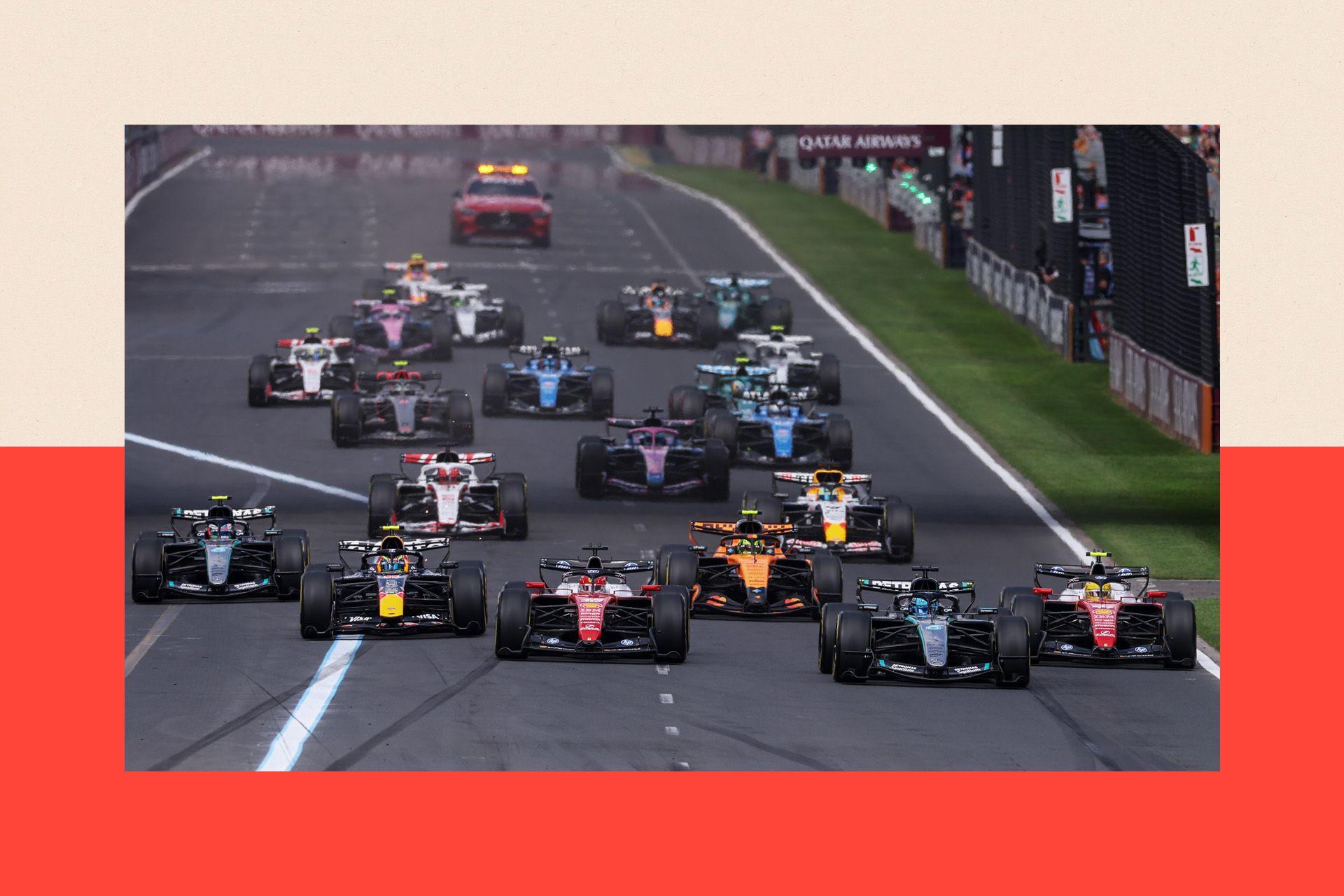
While the Premier League remains unlikely to lose its broadcaster due to its massive global appeal, the long-term implications of piracy are clear. If broadcasters continue to struggle financially, they may become less willing to pay record-breaking sums for broadcast rights in the future. This could ultimately limit investment in talent, infrastructure, and fan engagement—elements essential to the health of the sport.

“Look at the finances of some of the broadcasters,” says Kieran Maguire, associate professor of football finance at the University of Liverpool. “They’re losing money. And if that trend continues, we’ll see a fundamental restructuring of how sports are funded and shared with fans.”
The Growing Threat of Piracy to Sports Broadcasting and the Path Forward
The rise of online piracy is no longer just a minor nuisance—it has evolved into a systemic challenge that threatens the financial foundations of modern sports broadcasting. As Daniel Monaghan of Ampere Analytics warns, piracy is steadily eroding the revenue streams that rights holders and broadcasters have come to rely on through subscription-based models. This isn’t merely about lost income; it’s about the long-term sustainability of an industry that has fueled decades of growth in professional sports.
Monaghan emphasizes that piracy represents “at the very least a significant constraint” on the sports rights ecosystem—a model that has generated billions in value over the past 30 years. With massive investments poured into securing exclusive broadcast rights, especially for high-profile leagues like the Premier League, the return on investment is now under threat. If this trend continues unchecked, it could lead to a downward spiral: reduced revenues mean less money available for player salaries, infrastructure development, and community outreach programs. In the worst-case scenario, the entire economic engine driving elite sports could begin to stall.
For the Premier League, this could manifest in fewer high-profile transfers—those blockbuster deals that captivate fans and drive global interest. But the ripple effects would go much deeper. Over the three-year period leading up to 2025, the league contributed £1.6 billion to football at all levels, from grassroots initiatives to youth academies and local clubs. A decline in broadcasting income could jeopardize that funding stream, undermining the sport’s ability to nurture future talent and maintain its social impact.
Education Over Enforcement: Shifting the Narrative
So what can be done? Industry leaders point to a dual strategy: education and enforcement—but with a clear emphasis on changing consumer behavior rather than immediate legal crackdowns.
Nick Sumner, investigations manager at the Federation Against Copyright Theft (FACT), argues that piracy is far from a victimless act. “Organised crime is behind this,” he says, highlighting how illegal streaming platforms are often operated by criminal networks seeking profit through illicit means. These operations don’t just steal content—they exploit users. “They capture a lot of personal data, which they can then sell for criminal gain,” Sumner warns. That puts viewers at risk not only of fines or legal action but also of identity theft, malware infections, and financial fraud.
Despite these risks, many consumers still view pirated streams as low-risk entertainment—especially when they’re watching a big match on a weekend. Yet FACT insists that awareness is key. Their campaigns focus on educating the public about the real-world consequences of piracy, emphasizing that every unauthorized stream undermines legitimate businesses and harms the very communities that benefit from sports’ economic reach.
The Whack-a-Mole Problem: Why Takedown Efforts Fall Short
Broadcasters and sports organizations have made impressive strides in shutting down illegal streams. Hundreds of thousands of pirated links are removed annually through coordinated efforts involving tech companies, ISPs, and law enforcement agencies. However, as Monaghan notes, this approach resembles a game of whack-a-mole: one platform is taken down, only for another to emerge—often in a different jurisdiction with weaker enforcement mechanisms.
This constant cat-and-mouse dynamic makes long-term control nearly impossible. Criminals adapt quickly, using decentralized networks, encrypted channels, and offshore hosting services to stay ahead of detection. Even when major sites are dismantled, new ones pop up almost immediately, often with improved security and user interfaces designed to mimic official platforms.
A Future of Legal Consequences?
While current enforcement priorities remain focused on targeting the operators of pirate sites—rather than individual viewers—there is growing discussion about whether the rules should change. In the UK, downloading or streaming pirated content is technically a criminal offense. Yet the likelihood of prosecuting average fans who tune in to a free stream on a Saturday afternoon remains extremely low.
Still, Nick Sumner stops short of ruling out a shift toward stricter penalties. “There are crimes being committed here,” he says, suggesting that legal accountability may eventually extend beyond site operators. While such a move would face massive logistical and public relations challenges—particularly given the widespread nature of piracy—it could serve as a deterrent if implemented thoughtfully.
However, experts caution that simply punishing viewers won’t solve the root problem. There’s no guarantee that fear of legal trouble would translate into increased subscriptions. Many people turn to piracy not out of malice, but due to cost, lack of access, or frustration with regional restrictions. A truly effective solution must address these underlying issues.
Looking Ahead: Balancing Justice, Access, and Innovation
As the debate continues, one thing is clear: the status quo is unsustainable. The sports industry cannot afford to lose ground to digital piracy without rethinking how content is distributed, priced, and protected. Moving forward, a combination of stronger enforcement, better consumer education, and more accessible, affordable legal options will be essential.
Only by creating a system where fans feel empowered—and respected—can the industry hope to protect its future while maintaining the integrity of the games we love. 
More from InDepth:
- The £5 coffee that tells a story of global economic turmoil
- Europe's car makers are in crisis. Will the threat of war rescue them?
- Why some experts increasingly fear AI will take over
Post a Comment for "Crackdown on Sports Piracy: Overreach or Necessary Measure?"