
Mastermind Behind Violent Burglary Ring Targeting the Wealthy Who Escaped Open Prison
The Rise of a Violent Traveller Burglary Network in North London
A wave of brazen and violent home invasions has gripped affluent areas across north London and the Home Counties, raising alarm among residents and law enforcement alike. At the heart of this growing crisis is the suspected involvement of an organised group of Irish Travellers believed to be operating in coordinated teams, using sledgehammers, crowbars, and stolen vehicles with fake number plates to breach high-security homes. The scale of the crime spree—nearly 50 break-ins since September—has prompted urgent calls for a reassessment of policing priorities, particularly as one key suspect, James Dooley, remains at large after escaping from an open prison.
Dooley, a known serial burglar with a history of targeting wealthy properties, was sentenced to six years and three months in August 2025 following his conviction for three burglaries in North Finchley, Hendon, and Hampstead between November 2 and November 12, 2024. He also admitted to two attempted burglaries in Pinner and Iver, Buckinghamshire, on December 19, 2024. Despite his criminal record, he was transferred to a less restrictive environment during the middle of his sentence—specifically to HMP Hollesley Bay, a Category D open prison in Suffolk—where inmates are permitted significant freedom of movement, including daily work placements outside the facility.
It was from this low-security setting that Dooley vanished without a trace in the early hours of February 24, along with fellow Irish Traveller offender Andrew Cash, 33. Cash, who had been serving a six-and-a-half-year sentence for separate burglary offences, was later apprehended in London on July 9 and received an additional six months added to his term. However, Dooley remains at large, and authorities have issued a national alert describing him as white, 6 feet 1 inch tall, with brown hair, and linked to areas including Wood Green in north London, Waltham Cross in Hertfordshire, and Slough in Berkshire.

A Pattern of Violence and Precision
The timing of Dooley’s escape coincides suspiciously with a surge in break-ins across the region, many of which display a strikingly similar modus operandi to those attributed to Dooley’s previous gang. According to David McKelvey, former Metropolitan Police detective chief inspector and founder of private investigations firm TM Eye, the current string of raids bears hallmarks consistent with past operations involving Irish Traveller gangs.
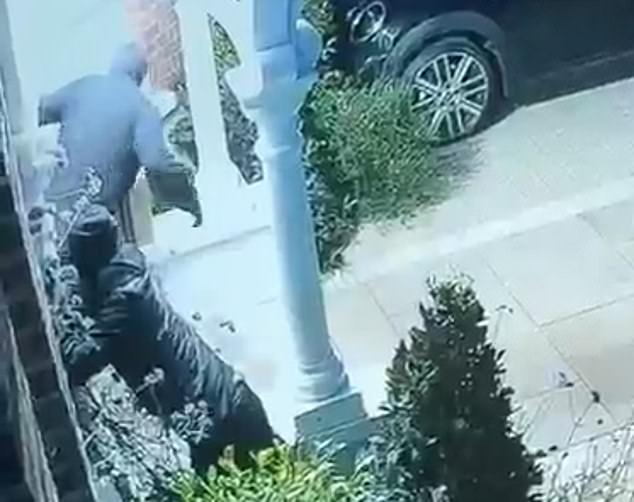
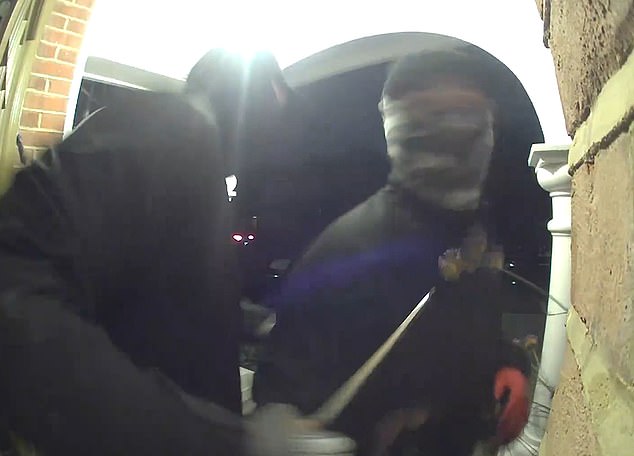
McKelvey insists that the latest series of crimes—over 50 incidents in just a few months—follows a clear pattern: coordinated attacks carried out by groups of three or four men, often wearing balaclavas and armed with tools designed to force entry through doors and windows. Vehicles used in these operations are typically stolen and registered under false plates, allowing perpetrators to evade detection. In some cases, the gang has been seen removing entire safes from homes and making off with cash, jewellery, luxury watches, and even high-value vehicles.
One particularly chilling incident captured on doorcam footage shows three masked individuals using a crowbar to smash through the front door of a residence in an upscale north London suburb. Once inside, they quickly located and took the keys to a £100,000 Mercedes parked on the driveway before fleeing the scene. The attack occurred while the homeowner was still present, underscoring the level of aggression and disregard for personal safety displayed by the offenders.
A System Under Pressure?
The situation has sparked widespread concern about the broader implications of prison management policies, particularly regarding the transfer of high-risk offenders to open prisons. Critics argue that such moves—often justified as measures to alleviate overcrowding—are putting communities at risk. With over 50 homes targeted in the last few months, families in areas like Hampstead, Highgate, and parts of Hertfordshire now live in constant fear, unsure if their own homes will be next.
David McKelvey warns that the release of experienced criminals into open facilities may be enabling repeat offenders to regroup and refine their tactics. “Imagine being a detective who spent months building a case against a notorious burglary ring—only to see a convicted prolific burglar placed in an open prison and walk away,” he said. “If these individuals return to crime, they’ll know exactly what to expect from police, how to avoid detection, and the consequences they face if caught.”
Moreover, there are suspicions that some members of the current gang may have previously been involved in earlier burglary waves. TM Eye began investigating after its sister security company, responsible for patrolling vulnerable areas, reported unusual activity. McKelvey believes that at least two suspects from prior cases were released under Labour’s early release scheme and could now be back at the forefront of this new wave of violence.
As the Met faces mounting criticism for not treating the burglary spree as a top-tier priority, questions remain about whether resources are being allocated effectively. With Dooley still on the run and multiple teams reportedly operating simultaneously, experts warn that without immediate intervention, the cycle of violence and fear could continue unchecked.
Continuing the Investigation: Patterns, Perpetrators, and Public Safety Concerns
The ongoing investigation into a series of high-profile burglaries across the UK has revealed a disturbingly consistent pattern that bears strong resemblance to previous criminal operations. According to former detective Mr McKelvey, the modus operandi is not only familiar but alarmingly methodical. “This is the same modus operandi,” he stated, emphasizing the use of stolen vehicles equipped with falsified registration plates. The perpetrators, often masked and armed with sledgehammers and crowbars, launch swift and violent break-ins, targeting homes with valuable items such as jewellery, electronics, and cash. These raids are executed with precision—entering, seizing goods, and exiting within minutes, all while avoiding detection.
What sets these incidents apart is the post-raid routine: the stolen vehicles are immediately driven to remote locations where they are thoroughly washed down with bleach to eliminate forensic evidence. These vehicles are then stored for future use, suggesting the operation is part of an organized network rather than isolated acts by opportunistic criminals.
Mr McKelvey confirmed that he has shared all relevant intelligence gathered from past cases with Metropolitan Police officers leading the current investigation, as well as with Suffolk Police who are actively searching for the suspected mastermind, Dooley. Despite this cooperation, Suffolk Police have announced that they believe their investigative efforts have reached their limits. A spokesperson stated: “He remains unlawfully at large. All reasonable lines of enquiry have been conducted to locate Dooley. He is believed to have left the UK.” This development raises serious concerns about the potential for the suspect to continue his criminal activities abroad or regroup in another jurisdiction.
The possibility that Dooley may have fled the country underscores the need for international collaboration in law enforcement. Authorities are now working closely with Interpol and other European agencies to monitor travel patterns and track any suspicious movements linked to individuals connected to the burglary ring. The fact that such a coordinated operation could evade domestic detection for so long highlights gaps in real-time intelligence sharing and cross-border policing mechanisms.
Meanwhile, broader concerns about prison reform and public safety have come under scrutiny following revelations about a Labour government initiative allowing certain serious offenders to be transferred to open prisons after serving just two weeks of incarceration. The move has drawn sharp criticism from jail chiefs and security experts alike. The Prison Governors’ Association issued a formal warning, stating that the policy “potentially place[s] the public at greater risk” due to the reduced time spent in secure custody before release into less monitored environments.
In response, the Prison Service defended the policy, asserting that public protection remains its top priority. “Prisoners are only moved to lower-security conditions following a thorough risk assessment, informed by specialists in offender behaviour and psychology,” a spokesperson explained. They emphasized that transfers to open prisons are never automatic and occur only when strict criteria are met and risks can be safely managed. Such transitions are designed to help eligible inmates prepare for eventual reintegration into society through employment opportunities, educational programs, and rebuilding family relationships.
However, critics argue that even with risk assessments, the short period of initial incarceration undermines the deterrent effect of punishment and may encourage repeat offending. The debate intensifies as questions grow about how effective rehabilitation programs are when they begin so early in the sentence.
As investigations into the burglary spree continue, authorities face mounting pressure to balance justice, rehabilitation, and community safety. The case of Dooley—and the broader implications of prison policy reforms—serve as a stark reminder that crime prevention requires not only tactical police work but also careful, evidence-based policymaking. With new leads emerging and international cooperation increasing, the public awaits answers on whether this organized crime network will be dismantled before it strikes again.
Post a Comment for "Mastermind Behind Violent Burglary Ring Targeting the Wealthy Who Escaped Open Prison"