6 Arrested in 9-Year HK$14M Agarwood and Crypto Scam Ring
Hong Kong Police Uncover Massive Cross-Border Investment Scam Involving Fake Agarwood, Crypto, and Car-Wash Schemes
A major cross-border investment fraud operation has been dismantled by Hong Kong authorities, with six individuals arrested in connection with a nine-year scam orchestrated by the alleged criminal syndicate behind BBB Group. The scheme, which targeted elderly investors with promises of high returns through fake business ventures in agarwood, cryptocurrency, and automated car-washing stations, reportedly siphoned HK$14 million (approximately US$1.78 million) from 21 victims.
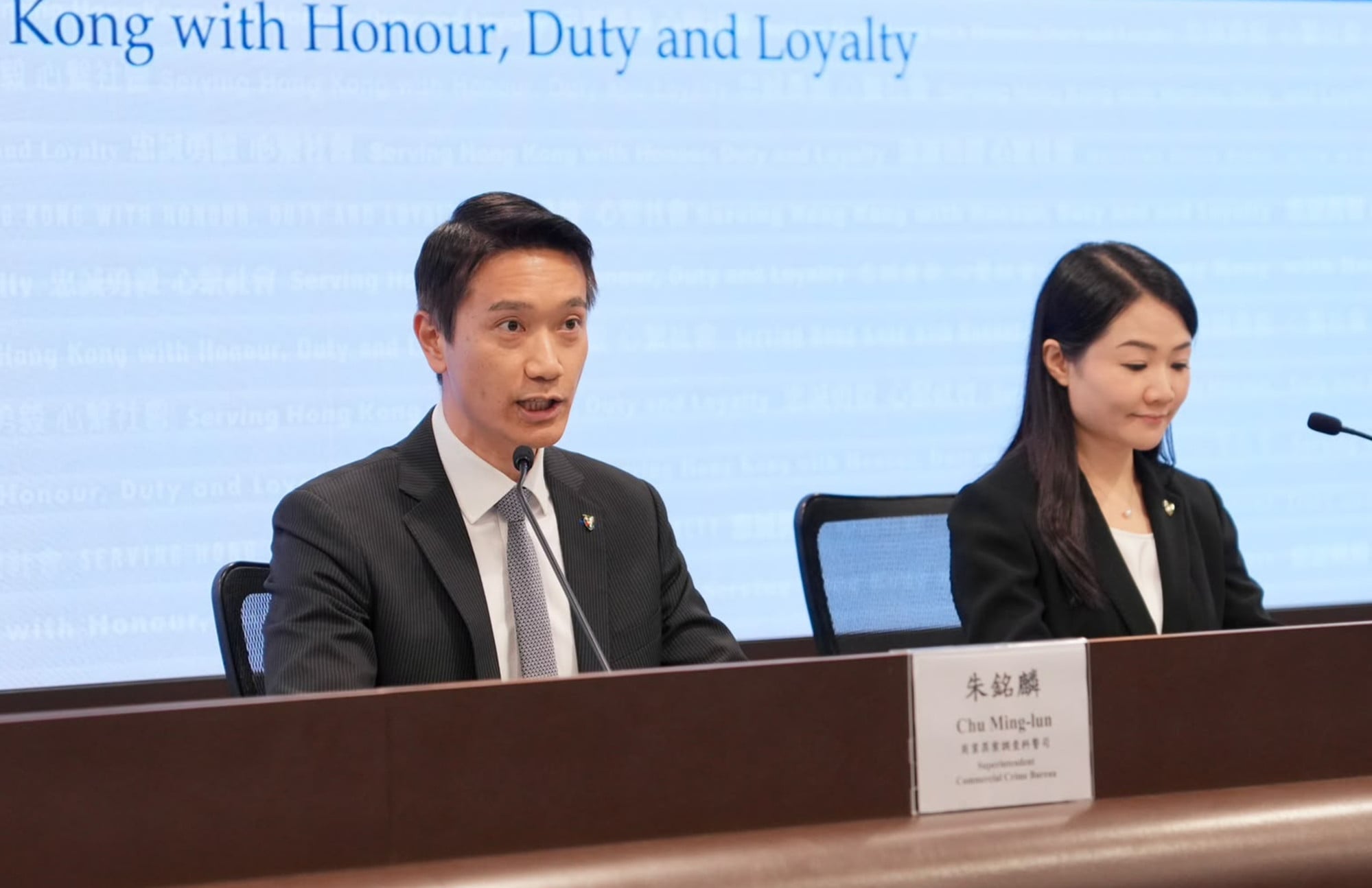
The Commercial Crime Bureau of the Hong Kong Police launched an investigation in September after receiving 21 complaints from victims—mostly aged between 52 and 82—who claimed they had invested money with BBB Group (Hong Kong) as early as 2017. Superintendent Allan Chu Ming-lun revealed that the company used deceptive tactics to delay or deny withdrawals, effectively trapping investors’ funds while maintaining the illusion of legitimacy.
The Allure of Agarwood: A Fragrant Facade for Fraud
BBB Group presented itself as a global enterprise with operations spanning Malaysia, Singapore, and even New York. It claimed to manage vast agarwood plantations in Malaysia, producing premium products such as essential oils, tea leaves, and incense derived from the rare and valuable fragrant wood. To bolster credibility, core members of the syndicate organized field trips to these so-called “plantations,” where investors were shown staged scenes designed to instill trust.
These trips were not just marketing gimmicks—they were central to the scam’s psychological manipulation strategy. By immersing victims in what appeared to be authentic business environments, the company created a false sense of security and opportunity.
Multiple Layers of Deception: From Tree Investments to Digital Tokens
Between 2017 and 2024, BBB Group rolled out at least four distinct “investment” plans, each more elaborate than the last. The first, introduced in 2020, promised investors a monthly return of HK$300—equivalent to a 36% annual yield—by purchasing a single agarwood tree for HK$10,000. Investors were assured they could reclaim their full principal after three years.
The returns were recorded as digital membership points within a proprietary mobile app, giving the illusion of transparency. However, withdrawals could only be processed in person at the company’s office, allowing staff to indefinitely delay payouts under various pretexts.
By 2023, when some investors attempted to cash out, they discovered their principal and earnings were inaccessible. Instead of addressing the issue, BBB Group introduced new schemes to keep them engaged.
One such plan offered investors the status of “licensees,” granting them the right to promote BBB Group’s products. They were promised HK$210 in interest per month—representing a 25% annual return over three years—with full repayment of the principal at maturity. However, interest payments ceased after just two months, followed by further excuses for delays.
The deception escalated in 2024 with the launch of a digital token called iBBB, marketed as a blockchain-based representation of real agarwood trees. The company claimed it was a revolutionary way to invest in sustainable forestry, but the token’s value collapsed dramatically—plunging by 99.92% since its debut. No actual underlying asset backed the token, and no legitimate blockchain infrastructure supported its existence.
A Final Gambit: Automated Car Wash Stations on the Mainland
In a final attempt to lure existing investors into deeper financial entanglement, BBB Group introduced a new investment opportunity: funding automated car-washing stations located on the Chinese mainland. To incentivize participation, the firm allegedly offered bonuses ranging from 10% to 30% of the new investment amount.
This latest scheme, like those before it, lacked verifiable assets or operational proof. The physical locations were either non-existent or misrepresented, and there was no evidence of any functioning infrastructure.
Law Enforcement Response and Regulatory Action
On Wednesday, police conducted raids at the company’s Kwun Tong headquarters, seizing approximately HK$540,000 in cash, 25 laptops and mobile phones, investment contracts, and various items purported to be agarwood goods—many of which were later found to be counterfeit or low-grade materials.
Six suspects were apprehended: two men and four women, aged between 52 and 66. One suspect, a Malaysian national, has been identified as the mastermind behind the operation. The remaining five are Hong Kong residents.
In response to the unfolding scandal, the Securities and Futures Commission (SFC) placed BBB Group (Hong Kong), BBB Group (Malaysia), and BBB Oud Living (HK) on its alert list, warning the public against engaging with these entities.
Authorities have urged victims to come forward and report any additional losses, emphasizing that recovery efforts remain ongoing. The case highlights the growing sophistication of cross-border investment fraud, particularly targeting vulnerable populations with emotionally appealing narratives and technological veneers.
As investigations continue, experts warn that similar scams may be lurking under the guise of green energy, digital assets, or overseas real estate—underscoring the need for greater public awareness and regulatory vigilance.