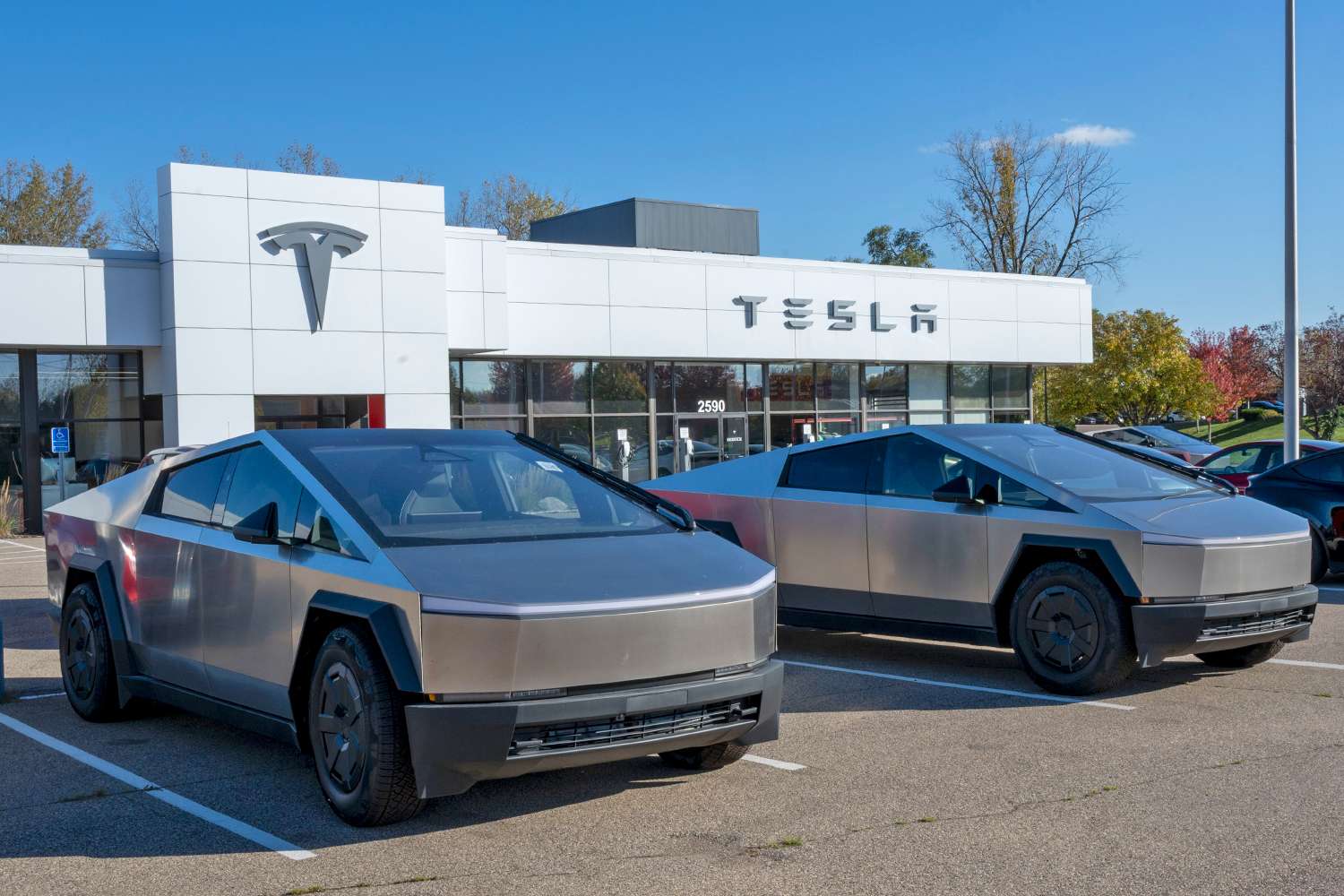
Elon Musk Shuts Down Cybertruck After Years of Controversy and Poor Sales
Tesla Shifts Focus to Fully Autonomous Future with Cybertruck Production Halt
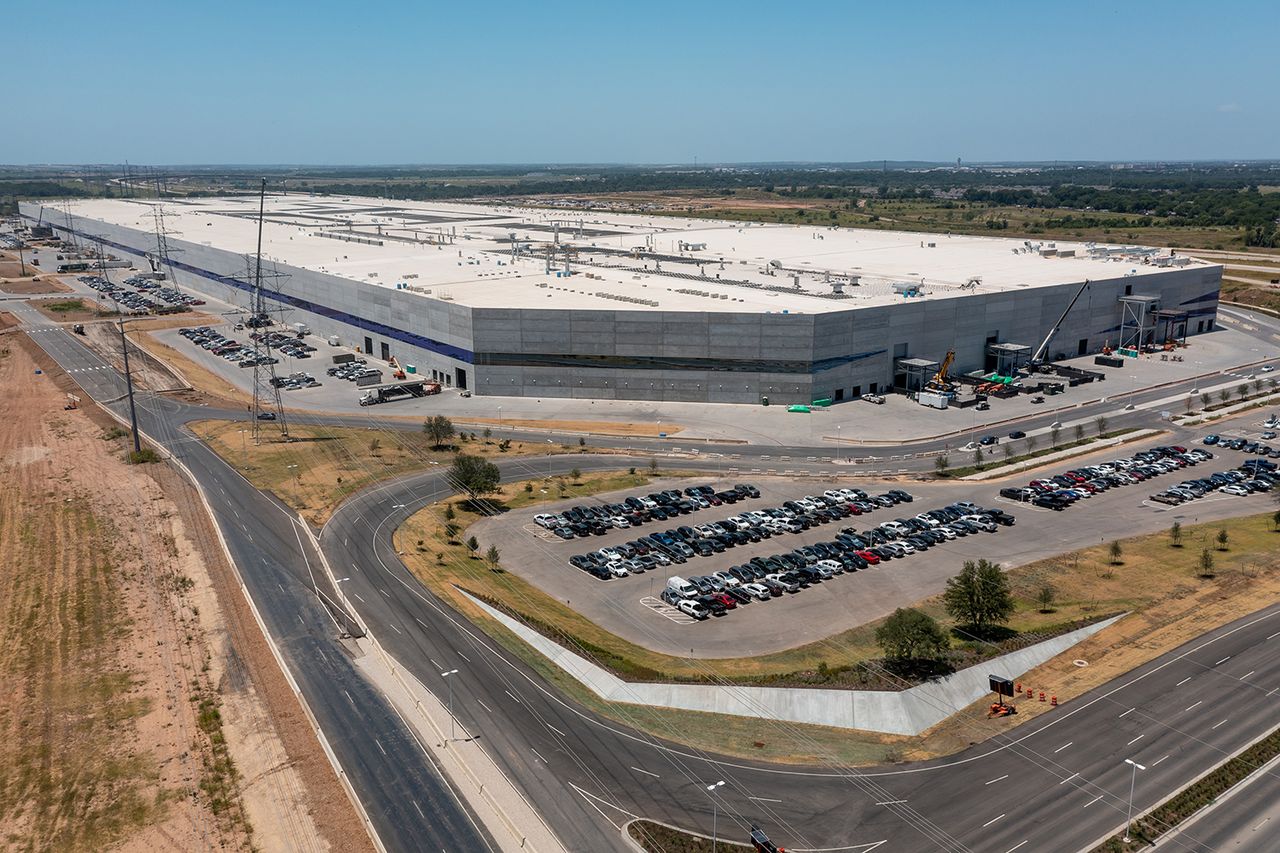
Elon Musk has announced a major strategic pivot for Tesla, signaling the end of production for the company’s controversial Cybertruck at its Gigafactory Texas facility. The move, confirmed in a November 6 post on X (formerly Twitter), marks a significant departure from Tesla’s current vehicle lineup and underscores the company’s renewed commitment to developing fully autonomous transportation solutions.
A Declining Sales Trajectory
The decision comes amid a sharp decline in Cybertruck sales. According to the latest Kelley Blue Book Electric Vehicle Sales Report, Tesla sold just 20,237 Cybertrucks in 2025—a drop of nearly 48% compared to the 38,965 units sold in 2024. This downturn reflects growing consumer hesitation and mounting scrutiny over the vehicle’s design, safety, and reliability.
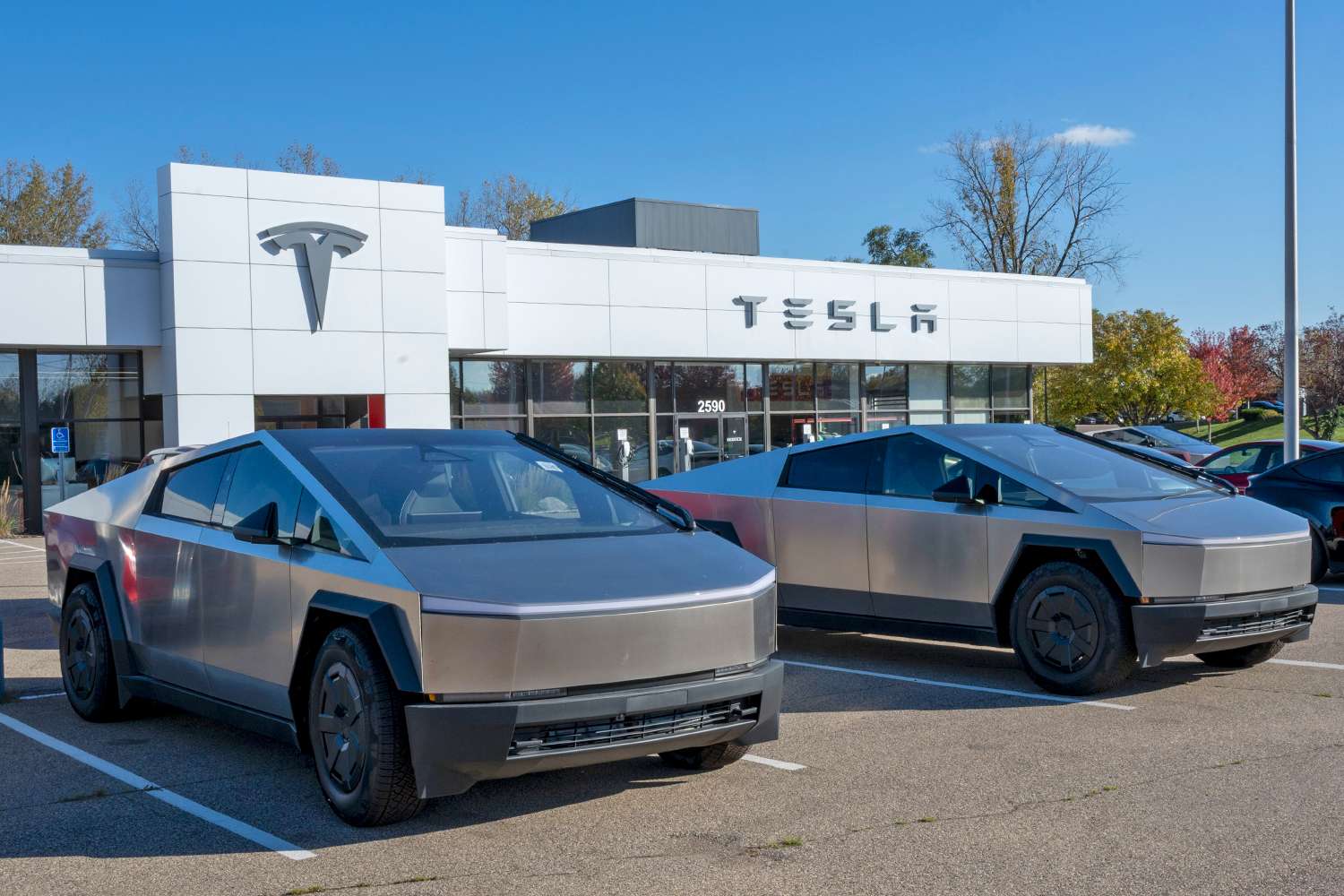
Introduced as a prototype in 2019, the Cybertruck was marketed as a bold reimagining of the electric pickup truck. Its futuristic, angular design crafted from stainless steel drew both admiration and ridicule. Musk himself acknowledged early on that the vehicle “is not going to be for everyone.” Despite high expectations—Musk once projected annual sales of around 250,000 units—the reality fell far short.
Safety Concerns and Legal Challenges
The Cybertruck has been plagued by multiple safety issues since launch. In March 2025, Tesla issued a recall of 46,000 units due to a risk of trim panels detaching at high speeds, raising serious concerns about structural integrity. These issues were compounded by tragic incidents involving the vehicle.
In one case, the parents of two college students killed in a Cybertruck crash filed a lawsuit claiming the vehicle’s rigid frame made it nearly impossible to escape during or after impact. Another lawsuit followed after the sole survivor of a fiery crash in which three others died sued Tesla, citing similar design flaws and inadequate safety features.
These legal challenges, coupled with public criticism, have cast a shadow over the vehicle’s reputation and contributed to declining buyer confidence.
Strategic Pivot: From Pickup Truck to Driverless Rideshare
While the Cybertruck may be leaving the production line, its legacy lives on through a new vision: the Cybercab. Musk emphasized in his X post that the decision to wind down Cybertruck production was made to “make room for increased Cybercab production.” The fully autonomous two-seater, unveiled in July at the Austin factory, is designed without a steering wheel or pedals—representing Tesla’s push toward true driverless mobility.
The Cybercab is positioned as a next-generation rideshare vehicle. According to Tesla’s official website, users will be able to summon the car via an app and use it for commuting, errands, and other daily tasks. Despite seating only two passengers, the vehicle boasts ample trunk space capable of accommodating luggage, golf clubs, scooters, and more.
The service is already operational across several U.S. cities, including Austin, Dallas, Fort Worth, and Houston in Texas, as well as Miami, Orlando, and Tampa in Florida. These test markets are critical for refining the technology and building public trust in autonomous vehicles.
Wes Morrill, lead engineer on the Cybertruck project, echoed Musk’s sentiment, stating on X: “Cybertruck was an incredible technology development platform and lives on through Cybercab.” He highlighted how the lessons learned from the Cybertruck’s engineering challenges directly informed the design and safety protocols of the newer model.
Market Reaction and Financial Context
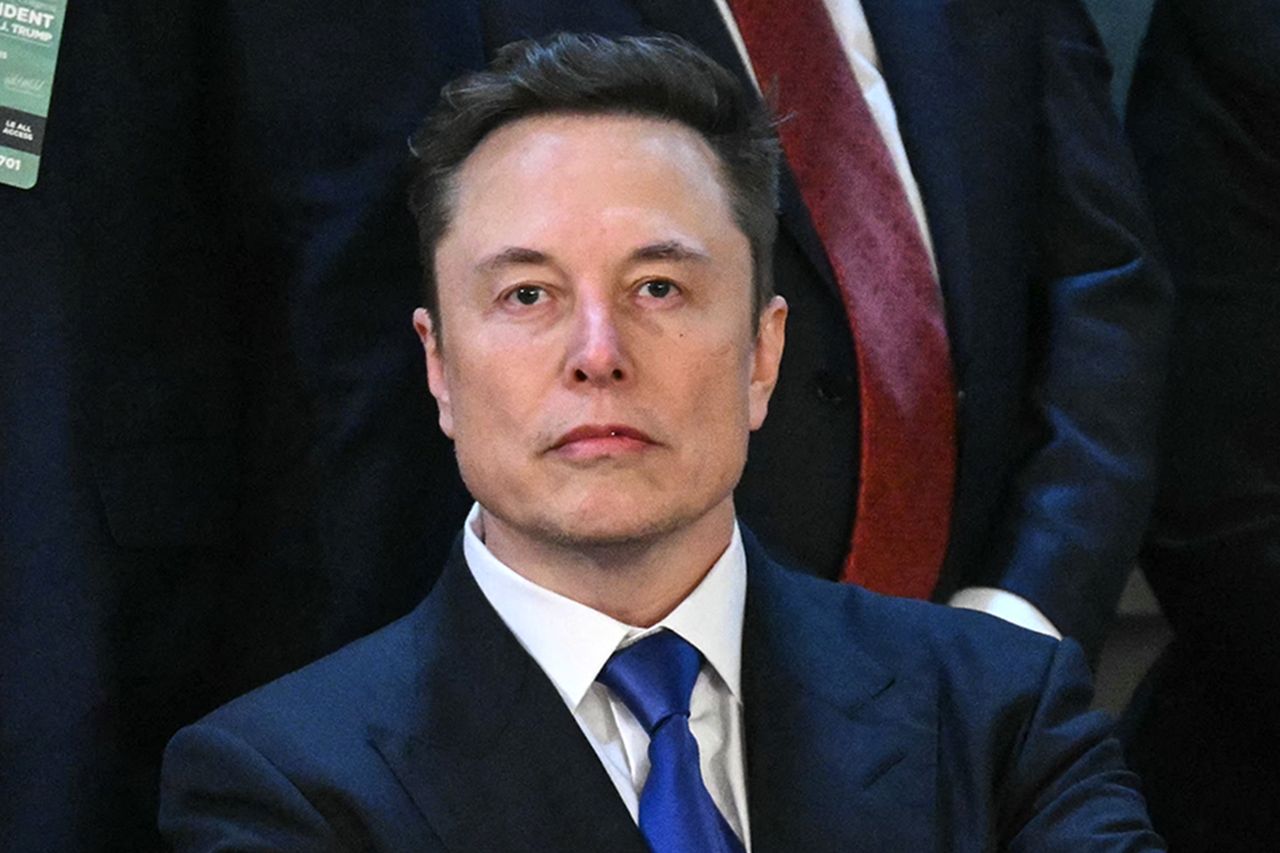
The announcement triggered a positive reaction in financial markets. Tesla’s stock rose approximately 5% the following morning, suggesting investor optimism about the company’s shift toward autonomy. This uptick came shortly after Musk’s net worth dropped by $113 billion, according to Bloomberg’s Billionaires Index, following a turbulent period marked by heavy political spending.
Just days before the Cybertruck announcement, Musk spent nearly $500 million on campaign contributions supporting Republican candidates in the midterm elections—an effort widely regarded as ineffective. That move coincided with a steep 12% decline in shares for both Tesla and SpaceX, highlighting the volatility tied to Musk’s public actions.
What’s Next?
With the Cybertruck exiting the production phase, Tesla is now fully focused on scaling up its autonomous ambitions. The Cybercab represents not just a product but a long-term vision: a future where personal transportation is seamless, safe, and entirely self-driven.
As testing expands and infrastructure improves, the success of the Cybercab could redefine urban mobility—and cement Tesla’s role as a leader in the race toward fully autonomous transport. For now, the message is clear: the era of the Cybertruck may be ending, but the future of Tesla’s innovation is just beginning.