DroneDog Boosts NFL Stadium Security with Robotic Drone Tech
Enhancing NFL Stadium Security with Autonomous Robotics
As concerns over safety and security grow across professional sports, the National Football League (NFL) is embracing cutting-edge technology to protect athletes, fans, and staff. Among the most transformative developments in this space is the integration of autonomous ground robots into stadium operations—specifically, Asylon Robotics’ DroneDog platform. These intelligent machines are redefining how stadiums monitor their perimeters, especially during overnight hours when human patrols may be limited.
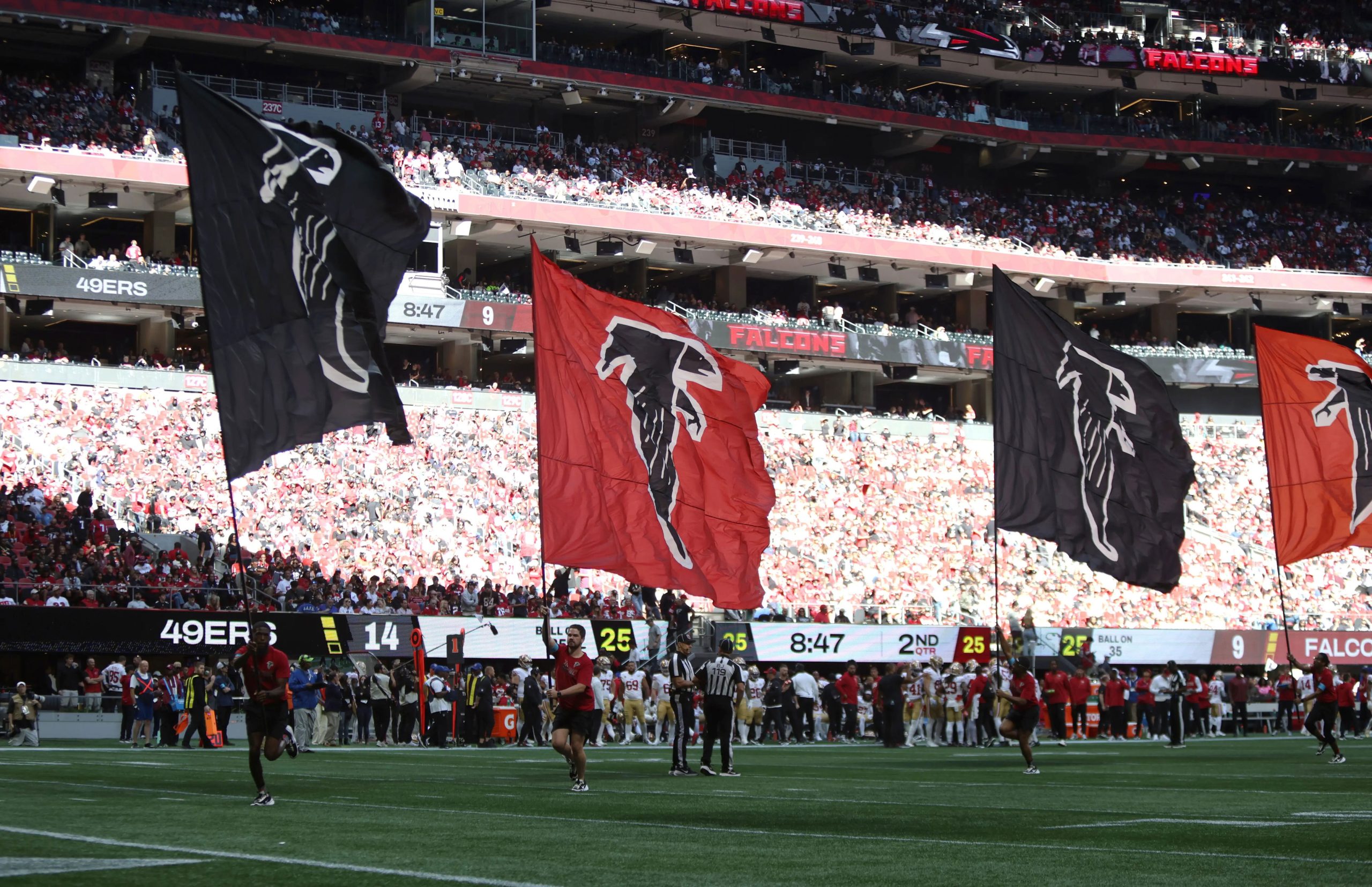
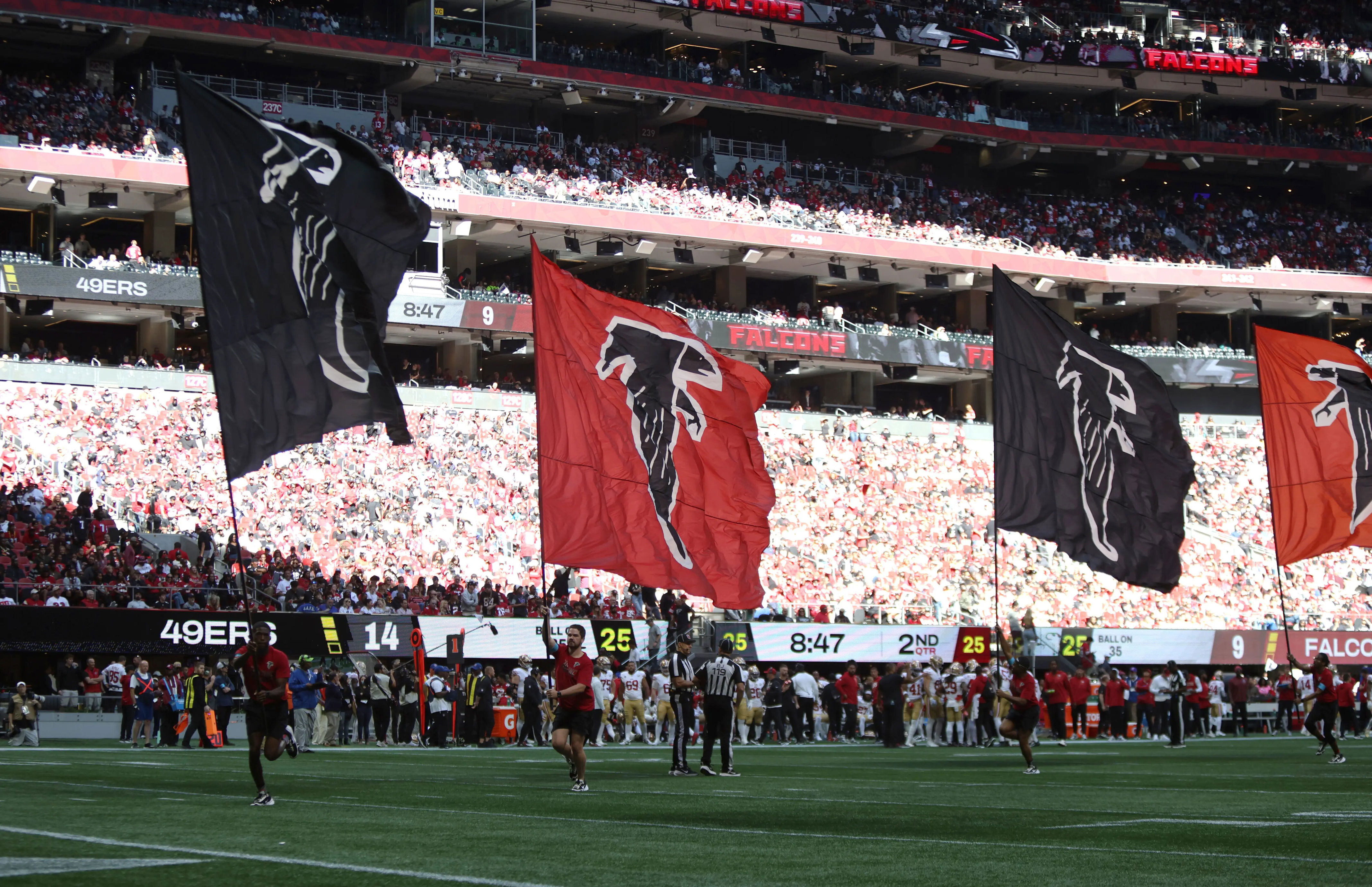
At the heart of this innovation is Mercedes-Benz Stadium in Atlanta, home of the Atlanta Falcons. This state-of-the-art venue has become a model for modern stadium security, thanks in large part to its deployment of DroneDog. Designed specifically for outdoor environments, these robotic units now play a vital role in maintaining continuous surveillance around high-risk zones such as the Home Depot Backyard, parking structures, and exterior walkways.
Expanding Visibility Across Large Perimeter Zones
One of the biggest challenges facing stadium security teams is covering expansive areas consistently—particularly at night when visibility drops and staffing levels decrease. Traditional methods like fixed CCTV cameras often leave blind spots, while manual patrols can be inconsistent due to fatigue or scheduling limitations.
Enter DroneDog: a rugged, fully autonomous ground robot equipped with advanced sensors and 360-degree thermal imaging. It navigates complex terrain—including uneven surfaces, ramps, and stairs—with ease, ensuring no corner of the perimeter goes unwatched. Each patrol is conducted according to a pre-programmed schedule, but the system remains flexible enough to adapt based on real-time data and changing conditions.
The robot doesn’t just move—it observes. Every step it takes generates live video feeds and sensor data that stream directly to Asylon’s 24/7 Robotic Security Operations Center (RSOC). This centralized hub allows trained operators to monitor multiple sites simultaneously, flag anomalies instantly, and respond quickly if needed. All activity is recorded and archived, creating a detailed digital log that security teams can analyze later for trends, compliance checks, or incident investigations.
“Professional sports venues require security teams to maintain awareness across large, complex environments around the clock,” said Damon Henry, Co-Founder and CEO of Asylon. “DroneDog gives security teams another set of eyes and a consistent physical presence across the perimeter. By automating routine patrols while keeping humans in the loop through our 24/7 RSOC, we can extend the reach of the security team while allowing people to focus on investigation, judgment, and response.”
A Force Multiplier for Human Security Teams
While some might worry that automation could replace human workers, the reality at Mercedes-Benz Stadium is quite different. The DroneDog program is designed to work alongside human personnel—not instead of them. Security officers are freed from repetitive, monotonous tasks and can instead concentrate on higher-value responsibilities such as threat assessment, emergency response, and coordination during events.
“DroneDog has become an integrated part of our security operations at Mercedes-Benz Stadium, helping us maintain consistent coverage across the Home Depot Backyard and other key areas,” said Sr. Director of Security Greg Overstreet. “The technology extends our security team’s reach, provides additional visibility during overnight hours, and lets our personnel focus their time and attention where it matters most. It’s a great example of how we can use innovative technology to enhance both security and employee safety.”
This synergy between man and machine represents a new era in physical security—one where robots handle the routine, while humans manage the critical.
Built for Real-World Outdoor Challenges
Asylon’s focus on outdoor applications is not accidental. The company specializes in creating robotic platforms tailored for unpredictable, open-air environments. Unlike indoor systems that rely on predictable layouts and stable infrastructure, outdoor security demands resilience against weather, terrain changes, and dynamic obstacles.
DroneDog was engineered with this in mind. Its durable chassis withstands rain, wind, and temperature extremes. Its AI-driven navigation system enables it to identify and avoid obstacles autonomously, whether it’s a fallen branch, construction debris, or temporary barriers. Even staircases and narrow passageways present no challenge, thanks to adaptive algorithms and precise motor control.
Moreover, the robot’s 360-degree thermal camera is particularly effective in low-light or zero-visibility conditions. It can detect heat signatures from intruders, animals, or even malfunctioning equipment long before they become threats—making it ideal for overnight patrols when risks are highest.
The Future Is Multi-Modal and Scalable
Asylon isn’t stopping at ground-based robots. The company envisions a future where various robotic form factors—drones, wheeled bots, and even humanoid platforms—are seamlessly integrated into a unified security ecosystem. “We are multi-modal (dogs, drones, wheeled, Humanoid), so as new platforms for interior applications become more readily available, Asylon can integrate them into its security offerings,” Henry explained.
This scalability ensures that as stadiums evolve—adding new wings, event spaces, or VIP lounges—the security infrastructure can grow with them. Instead of installing more static cameras or hiring more guards, venues can deploy mobile, intelligent agents that adapt to shifting needs.
And while challenges remain—such as navigating doorways, elevators, or highly congested zones—advancements in robotics and AI are rapidly closing those gaps. With every new generation, these robots become smarter, more agile, and more reliable.
A New Benchmark for NFL Security
Mercedes-Benz Stadium is no longer just a venue for football games; it’s a living laboratory for next-generation security. The success of the DroneDog program here is already sparking interest across the NFL and beyond. Other franchises are beginning to explore similar solutions, recognizing that proactive, tech-driven protection is no longer optional—it’s essential.
With features like autonomous navigation, real-time monitoring, and AI-powered analytics, DroneDogs aren’t just tools—they’re partners in safeguarding one of America’s most beloved institutions: professional sports.
The future of stadium safety is no longer a vision. It’s already here—and it’s walking, climbing, and watching.
Top Special Teams Salaries in 2026: Kickers Dominate the Payroll
As the NFL continues to evolve, special teams units are gaining more attention—not just for their on-field impact but also for the financial value they bring. With the 2026 season approaching, salary data reveals a clear trend: kickers are now among the highest-paid players on their respective rosters. This shift is driven by several factors, including the increasing importance of field goal accuracy, consistency under pressure, and the role of kickers in shaping game outcomes.
According to comprehensive salary analyses, the top earners in special teams for 2026 are all placekickers, with names like Harrison Butker, Justin Tucker, and Greg Joseph leading the pack. These athletes command salaries that often exceed $5 million annually—some even surpassing $8 million—making them some of the most valuable specialists in football today.
What sets kickers apart is their unique combination of precision, mental toughness, and longevity. Unlike many skill-position players whose careers peak in their late 20s, elite kickers frequently remain effective well into their 30s. This extended performance window increases their market value and makes them attractive long-term investments for franchises.
Moreover, the rise of analytics in football has elevated the role of kickers. Coaches and front offices now treat field goals as critical strategic decisions, especially in tight games or during high-pressure moments. A single successful kick can shift momentum, secure a win, or even determine playoff seeding. As such, teams are willing to pay a premium for reliability.
The financial landscape for special teams is also changing. In recent years, contracts for punters and return specialists have seen modest increases, but none match the explosive growth seen in kicker compensation. This disparity underscores how teams prioritize kicking accuracy over other special teams roles—even when those roles involve significant risk and athleticism.
NFL Corporate Sponsors for 2026: The NFC’s New Sponsorship Landscape
The 2026 NFL season promises not only thrilling on-field action but also a transformation in corporate partnerships across the league. With new sponsorship agreements in place, the NFC is at the forefront of this commercial evolution, integrating brand visibility into every aspect of the game—from team uniforms to stadium infrastructure.
One of the most notable changes is the expansion of jersey patch sponsorships. For the first time, NFC teams will feature official logos from major corporations directly on their jerseys, visible to fans worldwide during broadcasts. Brands like Amazon, Samsung, and American Express have secured multi-year deals, marking a significant departure from traditional advertising models.
In addition to jersey patches, stadiums across the NFC are undergoing rebranding efforts to accommodate corporate signage. From large-scale LED boards displaying real-time promotions to branded seating areas and concession stands, fan experiences are being reshaped by corporate presence. Giants Stadium, SoFi Stadium, and State Farm Stadium are among the venues implementing these upgrades.
Team-level sponsorships are also becoming more prominent. Franchises are forming exclusive partnerships with tech companies, automotive brands, and financial institutions. These collaborations go beyond simple logo placement—they include co-branded events, digital content series, and interactive fan engagement platforms.
For example, the San Francisco 49ers have partnered with Salesforce to create a “Fan Experience Hub” inside Levi’s Stadium, while the Green Bay Packers have launched a joint initiative with MillerCoors focused on community outreach and sustainability.
These developments reflect a broader industry shift toward immersive, data-driven branding. By embedding sponsors into the fabric of the game, the NFL ensures consistent visibility and deeper consumer connections—all while generating substantial revenue streams.
2026 NFL Guardian Caps: A Leap Forward in Player Safety
Player safety remains a top priority in the NFL, and the introduction of the 2026 Guardian Caps marks a significant advancement in helmet technology and concussion prevention. Designed as an additional layer of protection, these caps are now mandatory for all rookie players and are strongly encouraged for veterans across both conferences.
Guardian Caps are made from a durable, shock-absorbing material that fits snugly over standard football helmets. They are engineered to reduce the force of impacts during collisions, particularly head-to-head contact and sideline falls. Independent studies conducted by the NFL’s Head, Neck, and Spine Committee show that these caps can lower impact forces by up to 30%, significantly reducing the risk of concussions and other traumatic brain injuries.
Teams have reported positive feedback from players and medical staff alike. Many note improved comfort, better fit, and increased confidence during practice drills and games. Coaches appreciate the added layer of protection, especially during high-contact situations involving younger or less experienced athletes.
The NFL has also expanded its research program to monitor long-term health outcomes for players using Guardian Caps. Data collected over the past two seasons indicates a measurable decline in reported head injuries among players wearing the caps consistently.
Beyond player safety, the adoption of Guardian Caps reflects the league’s commitment to innovation and responsibility. With ongoing advancements in materials science and biomechanics, future iterations may integrate sensors to track impact severity in real time—providing coaches and trainers with actionable insights.
Why the Chiefs, Vikings, and Bills Are Top Destinations for Tyreek Hill
With the 2026 offseason on the horizon, speculation surrounding Tyreek Hill’s future has intensified. Despite his current tenure with the Miami Dolphins, multiple reports suggest he could be traded to one of three franchises: the Kansas City Chiefs, Minnesota Vikings, or Buffalo Bills. Each team presents a compelling case for why Hill would thrive in their system.
The Kansas City Chiefs offer a perfect offensive fit. Under head coach Andy Reid, Hill would immediately become the centerpiece of a dynamic passing attack that already features Patrick Mahomes. Their wide-open scheme, aggressive play-calling, and emphasis on vertical routes align perfectly with Hill’s speed and route-running ability. Moreover, the Chiefs’ culture of winning and deep playoff experience make them an ideal landing spot for a superstar looking to chase a legacy.
The Minnesota Vikings, meanwhile, are building a high-powered offense around quarterback Kirk Cousins and running back Dalvin Cook. Adding Hill would provide a true deep threat that stretches defenses and opens up space for the rest of the receiving corps. His ability to operate in space complements the Vikings’ use of motion and misdirection, making him a natural fit in their creative playbook.
Finally, the Buffalo Bills present a strong contender due to their emerging identity as a powerhouse. With Josh Allen at quarterback, the Bills have shown they can dominate through the air. Hill’s explosive talent would elevate their already dangerous passing game, potentially turning them into a legitimate Super Bowl favorite. Additionally, Buffalo’s commitment to player development and modern training facilities appeals to Hill’s desire for long-term growth.
Each team brings unique advantages, but all share a common goal: maximizing Hill’s potential. Whether it’s championship aspirations, offensive synergy, or personal career progression, the decision will hinge on which organization offers the best path forward.
NFL Player Paycheck Analysis After Taxes: Which Teams Deliver the Biggest Take-Home Pay?
Understanding actual take-home pay is crucial for evaluating player compensation in the NFL. While contract values are often publicized, the reality is that taxes dramatically reduce net income. A detailed analysis of 2026 player paychecks reveals stark differences between teams based on state tax laws, local incentives, and individual financial planning strategies.
States like Florida, Texas, and Tennessee impose no state income tax—making them highly attractive for high-earning athletes. Players on teams based in these states, such as the Miami Dolphins, Dallas Cowboys, and Tennessee Titans, enjoy significantly higher after-tax earnings compared to their peers in high-tax jurisdictions.
For instance, a player earning $12 million in Florida would retain approximately 87% of their income after federal and state taxes. In contrast, a similar salary in California (with a top marginal rate of 13.3%) results in only about 74% retention. New York and New Jersey follow suit, with steep rates that further erode take-home pay.
However, it’s not just about location. Some teams offer supplemental benefits, such as housing stipends, education funds, and investment advisory services, which can increase total compensation. The Kansas City Chiefs and Indianapolis Colts are known for providing robust financial wellness programs that help players manage their wealth effectively.
Additionally, player endorsements and off-field ventures play a role. Athletes on teams with strong media markets—like the Los Angeles Rams or New York Jets—often receive greater exposure, boosting their earning potential outside the salary cap.
Ultimately, the team with the highest take-home pay isn’t always the one with the biggest contract. It’s the one that combines favorable tax environments, smart financial support systems, and opportunities for post-football success. As the NFL continues to expand globally, understanding these nuances becomes increasingly important for players and agents alike.