
Princess Anne Surpasses William and Kate to Become Nation’s Favorite Royal
Princess Anne Tops Royal Popularity Rankings in 2026, Surpassing the Waleses
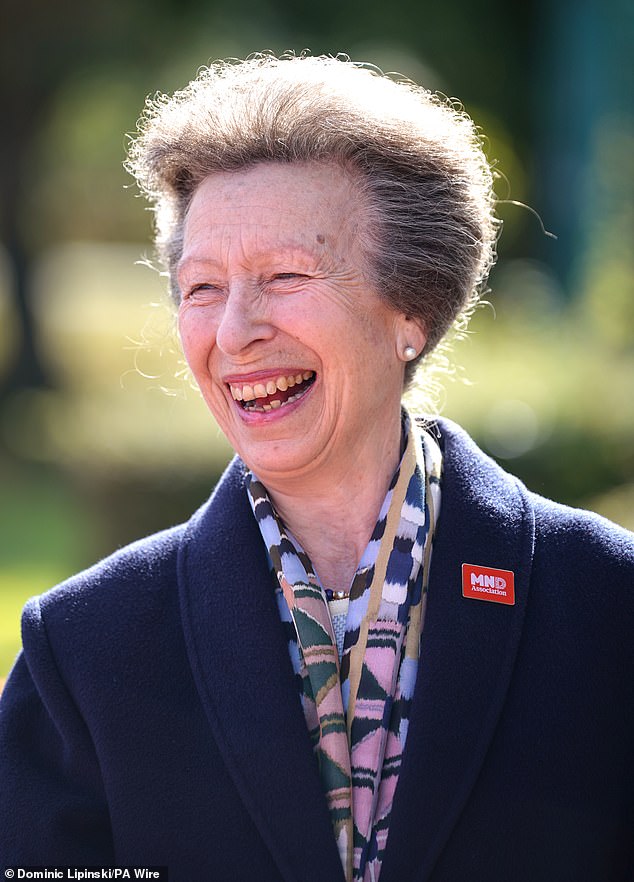
In a striking shift in public sentiment, Princess Anne has officially claimed the title of Britain’s most popular royal, overtaking both Prince William and Princess Kate in the latest YouGov survey conducted for the third quarter of 2026. The 76-year-old Princess Royal has secured an impressive 67 per cent approval rating from the British public—far surpassing her younger counterparts—and a mere 7 per cent disapproval rate, resulting in a net approval score that is four points ahead of Kate Middleton and ten points higher than Prince William.
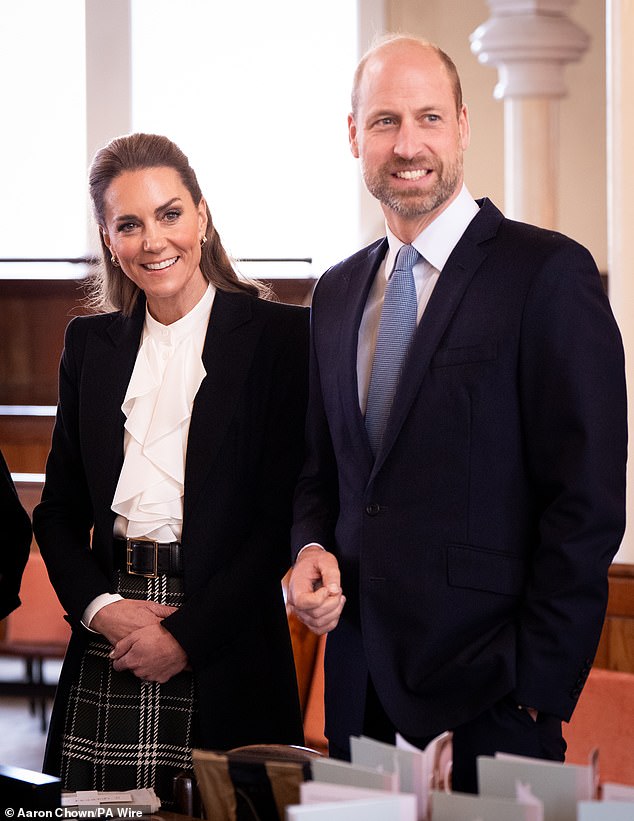
This marks a significant departure from recent trends, where the Prince and Princess of Wales have consistently dominated popularity rankings. While William maintained a solid 62 per cent favourability and Kate reached 64 per cent, it was Anne’s consistent dedication to public service and her down-to-earth demeanor that appear to have resonated deeply with voters across age groups and demographics.
A Breakdown of Generational and Gender-Based Preferences
The data reveals distinct patterns in how different segments of the population view the royal family. Among men and Baby Boomers, Princess Anne stands unchallenged at the top, reflecting her long-standing reputation as one of the hardest-working members of the royal household. Meanwhile, Generation X and women alike have shown strong support for Kate, cementing her status as a beloved figure within families and communities.
Prince William, however, still holds a unique position among millennials—the generation he belongs to—with 60 per cent of respondents aged between 25 and 40 expressing positive feelings toward him. This suggests that while his popularity may be waning nationally, he retains a strong emotional connection with younger adults who see him as a future monarch and a symbol of continuity.
King Charles III, despite being the reigning sovereign, garnered only 53 per cent approval, indicating a moderate level of public favor. His standing remains stable but not dominant, particularly when compared to Anne’s soaring numbers.
The Royal Family’s Top Performers: From Edward to Zara
At fifth place in the rankings is Prince Edward, the Duke of Edinburgh, who earned a popularity score of 47 per cent. His wife, Sophie, Duchess of Edinburgh, followed closely behind with 45 per cent, underscoring their growing influence and approachable public image. Their combined presence in the top five highlights the increasing recognition of the couple’s quiet but impactful contributions to royal duties.
Princess Anne’s daughter, Zara Tindall, ranked seventh, continuing her mother’s legacy of public engagement and sporting excellence. Queen Camilla came in just behind her, maintaining steady support despite ongoing discussions about her role in the monarchy. Prince Edward’s brother, the Duke of Kent, placed ninth with a more modest 30 per cent favourability score—still respectable, but far below the top tier.
Harry and Meghan: A Shift in Public Perception
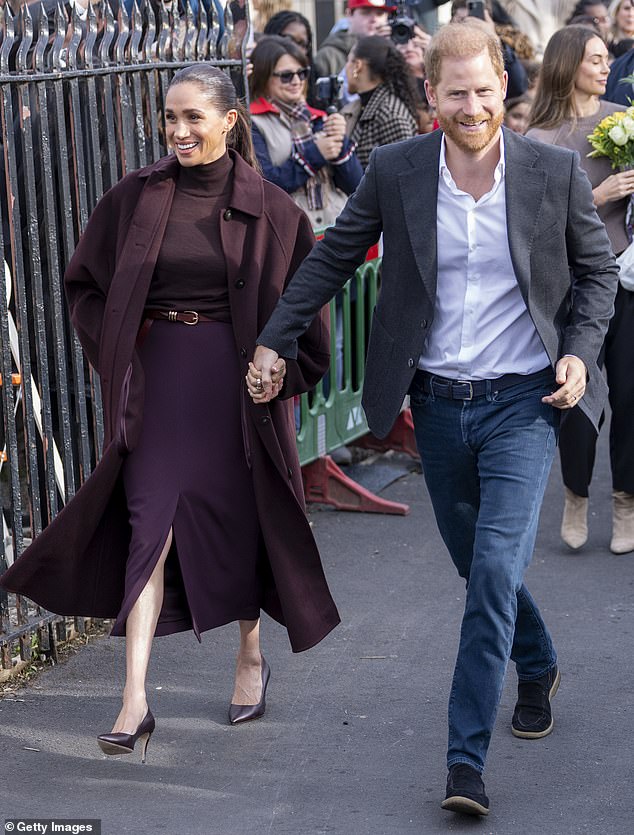
The fortunes of Prince Harry and Meghan Markle have undergone notable changes since their return to the UK in August 2026. Following their first joint public appearance in Nottingham after years abroad, their popularity figures showed a marked improvement—especially for Harry, whose ratings have seen a dramatic turnaround.
In the first quarter of the year, Harry registered a negative approval rating: just 25 per cent positive, 54 per cent negative. But by the third quarter, those numbers had shifted dramatically to 29 per cent positive and 41 per cent negative—a clear sign of renewed public goodwill. He now ranks tenth overall, outperforming both Princesses Beatrice and Eugenie, who were placed 14th and 11th respectively.
His younger cousin, Lady Louise Windsor, secured 12th place, suggesting that even younger royals are gaining visibility and affection among the public.
Conversely, Meghan’s popularity has declined since January. Her current approval stands at just 22 per cent, with 78 per cent of respondents expressing disapproval. This represents a sharp drop from her earlier standing, when she enjoyed a net approval of minus 21 (26 per cent positive, 47 per cent negative). The contrast between her and Harry’s trajectories underscores the complex dynamics of public perception and media narratives.
A Day of Recognition and Renewal at the University of Lincoln
Princess Anne’s recent visit to the University of Lincoln further reinforced her image as a dedicated and hands-on royal. During her trip to the Riseholme Campus, she was awarded an honorary degree in recognition of her lifelong commitment to public service, agriculture, and rural development.
She toured the newly opened Geothermal Glasshouse—an innovative £2.4 million facility powered entirely by renewable geothermal energy. The state-of-the-art structure serves as a hub for research into sustainable farming, crop innovation, and advanced growing technologies. Anne engaged directly with researchers and students, learning about cutting-edge methods such as 3D modeling of strawberry plants and precision cultivation techniques.
Dressed in stylish sunglasses and accompanied by a warm smile, the Princess Royal was presented with a basket of freshly picked strawberries—a gesture that highlighted the farm-to-table ethos central to her advocacy work. Professor Neal Juster, Vice-Chancellor of the university, praised the occasion, calling it “an honour” to recognize Her Royal Highness’s extraordinary record of service.
A Return Home with Purpose
Harry and Meghan’s return to the UK has been met with palpable enthusiasm. Their first public outing since Queen Elizabeth II’s funeral in 2022 took place in Nottingham, where they began a series of engagements in the East Midlands. Around 100 people, including many schoolchildren, gathered to welcome them, waving flags and holding signs that read “Welcome Home.”
As they stepped out of their black Range Rover Sport 4×4, Meghan smiled broadly, declaring, “It’s great to be back.” Her husband stood protectively beside her, offering reassurance as they posed for photos and chatted warmly with well-wishers. The pair are now supporting several community initiatives, including a local food project, a youth recording studio, and a sports program aimed at empowering young people.
Their walkabout was filled with cheers, laughter, and heartfelt messages like “I love you, Meghan,” reflecting a sense of reconnection between the couple and the British public. Whether this marks a lasting shift in public opinion or a temporary wave of goodwill remains to be seen—but for now, the mood is undeniably hopeful.
A Heartfelt Tribute Amid Shifting Public Sentiment
As the sun dipped below the horizon, casting a golden glow over Windsor’s historic streets, a quiet yet powerful wave of emotion swept through the crowd gathered outside the royal residence. Among the sea of faces stood one woman, her eyes glistening with pride and affection as she shared her thoughts with reporters. “I love the Royal Family,” she said softly, voice trembling slightly. “I was heading into town for a bit of shopping, but I decided to come here instead—just to see them. To show them that we still care.” Her words echoed across the gathering, resonating with others who had braved the chill air and long wait in hopes of catching even a glimpse of the royals.
She wasn’t alone. Thousands had turned out—not just as spectators, but as participants in a collective gesture of support. Many held handmade signs, some bearing messages like “We Still Believe” or “Love Never Leaves.” Others wore clothing adorned with Union Jacks or floral patterns reminiscent of royal gardens. The atmosphere was not one of protest, but of connection—a reminder that despite changing times and shifting public opinions, the bond between the monarchy and its admirers remains deeply rooted.
This emotional display came at a time when the perception of certain royal figures is undergoing significant transformation. While some members continue to enjoy widespread popularity, others face more complex relationships with the public. The latest survey reveals a clear spectrum of sentiment across the royal family, reflecting both enduring loyalty and evolving expectations.
Most Popular Members of the British Royal Family (Based on Recent Survey Data)
-
Princess Anne
Liked by 67%, Disliked by 7%, 20% Neutral
Known as the hardest-working member of the royal family, Princess Anne remains a symbol of dedication and service. Her consistent presence at charitable events and military functions has earned her deep respect across generations. -
Catherine, Princess of Wales
Liked by 64%, Disliked by 8%, 17% Neutral
With her graceful demeanor and focus on mental health advocacy, Catherine continues to be a unifying figure. Her recent return to public duties following health challenges has been met with overwhelming public support. -
William, Prince of Wales
Liked by 62%, Disliked by 12%, 23% Neutral
As heir to the throne, William balances tradition with modernity. His commitment to environmental causes and youth engagement has helped maintain his strong public standing. -
King Charles III
Liked by 53%, Disliked by 20%, 22% Neutral
Despite a mixed reception, King Charles’s long-standing work on sustainability and architecture projects continues to influence public opinion positively. -
Prince Edward, Duke of Edinburgh
Liked by 47%, Disliked by 17%, 31% Neutral
Often seen as the behind-the-scenes operator, Prince Edward’s role in supporting royal initiatives earns him steady admiration. -
Sophie, Duchess of Edinburgh
Liked by 45%, Disliked by 7%, 27% Neutral
Her warmth and approachability make her a favorite among many, particularly those drawn to her humanitarian efforts. -
Zara Tindall
Liked by 39%, Disliked by 8%, 28% Neutral
As an Olympic athlete and mother, Zara represents a rare blend of athleticism and family values that appeals to a broad audience. -
Queen Camilla
Liked by 33%, Disliked by 36%, 24% Neutral
Queen Camilla’s journey toward acceptance has been gradual. While her role is now firmly established, lingering criticism from earlier years still influences some views. -
Prince Edward, Duke of Kent
Liked by 30%, Disliked by 22%, 37% Neutral
A longstanding figure in royal ceremonies, Prince Edward maintains a traditional image that resonates with some, while others find him less relatable. -
Prince Harry, Duke of Sussex
Liked by 29%, Disliked by 41%, 27% Neutral
Once a global media sensation, Harry’s relationship with the institution has become increasingly strained. His memoir and public statements have polarized opinions, yet a dedicated core of supporters remains. -
Princess Eugenie
Liked by 25%, Disliked by 26%, 38% Neutral
Known for her candidness and resilience, Eugenie continues to build her own identity beyond the spotlight. -
Lady Louise Windsor
Liked by 24%, Disliked by 10%, 25% Neutral
Though younger and less visible, Lady Louise’s poise and growing public appearances are earning her quiet appreciation. -
Meghan, Duchess of Sussex
Liked by 22%, Disliked by 49%, 24% Neutral
Her departure from royal life and subsequent high-profile interviews have generated intense debate. While many admire her advocacy, others remain critical of her choices. -
Princess Beatrice
Liked by 22%, Disliked by 28%, 36% Neutral
With a growing role in business and charity, Beatrice is slowly carving out her niche—but opinions remain divided. -
Princess Alexandra, the Honourable Lady Ogilvy
Liked by 20%, Disliked by 6%, 23% Neutral
One of the oldest living members of the royal family, her dignity and longevity command respect. -
Brigitte, Duchess of Gloucester
Liked by 17%, Disliked by 4%, 16% Neutral
Her low-key presence and dedication to community work keep her under the radar but appreciated by many. -
Prince Richard, Duke of Gloucester
Liked by 14%, Disliked by 7%, 21% Neutral
A lesser-known figure, Prince Richard’s contributions to science and heritage preservation go largely unnoticed by the public. -
Sarah Ferguson, Former Duchess of York
Liked by 11%, Disliked by 50%, 23% Neutral
Once a prominent royal, Ferguson’s legacy is complicated by past controversies, though her recent philanthropy offers hope for redemption. -
Lady Margarita Armstrong-Jones
Liked by 10%, Disliked by 5%, 18% Neutral
The youngest generation of royals continues to navigate their place in the public eye with limited exposure.