
Frozen in Time: Eerie UAE Airport's 50-Year Silence
Nicosia International Airport: A Haunting Relic of Cyprus's Turbulent Past
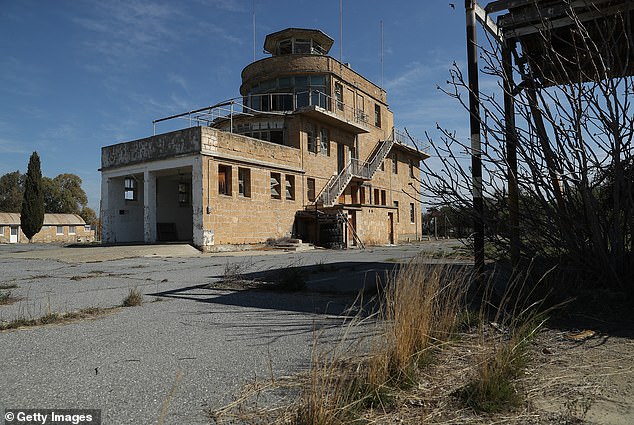
Nestled in the Lakatamia suburb, west of the vibrant capital of Nicosia, lies a silent testament to a bygone era and a nation's fractured history: Nicosia International Airport. Once a bustling hub of air travel, the airport has stood abandoned since the tumultuous events of 1974, its decaying structures and stranded aircraft now forming an eerie time capsule, frozen in the grip of time.
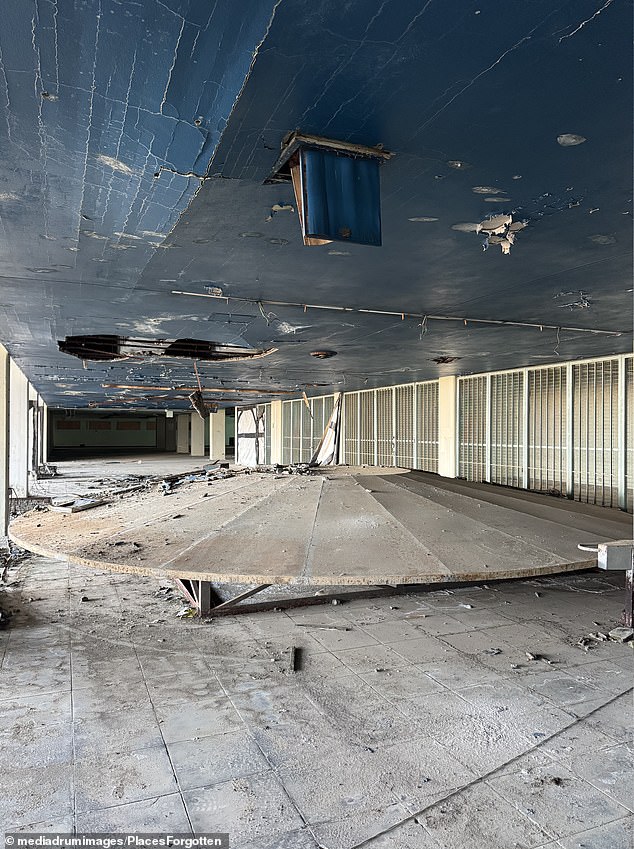
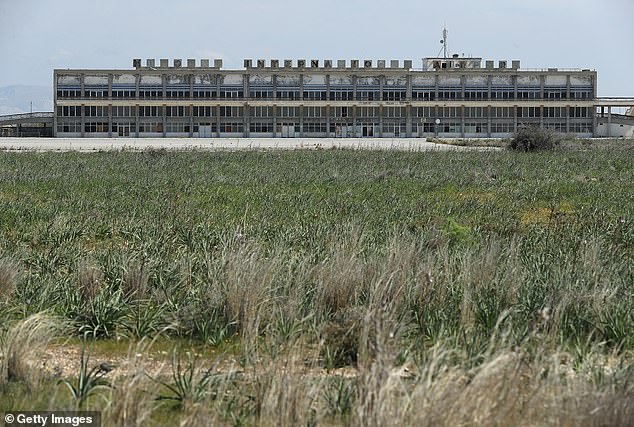
The once-grand terminal, now a derelict shell, echoes with the ghosts of countless journeys. Runways, once teeming with the roar of engines and the hurried footsteps of travellers, are now cracked and overgrown, bearing witness to decades of neglect. Scattered across the tarmac are the skeletal remains of aircraft, untouched for nearly half a century, their metal skins whispering tales of a conflict that irrevocably altered the island's destiny.
Even the imposing airport sign, though faded and missing a few letters, remains a legible, albeit melancholic, marker of its former significance. Today, the only sounds that break the profound silence are the coos of pigeons nesting within the crumbling ceilings and the mournful howl of the wind whistling through shattered windows.
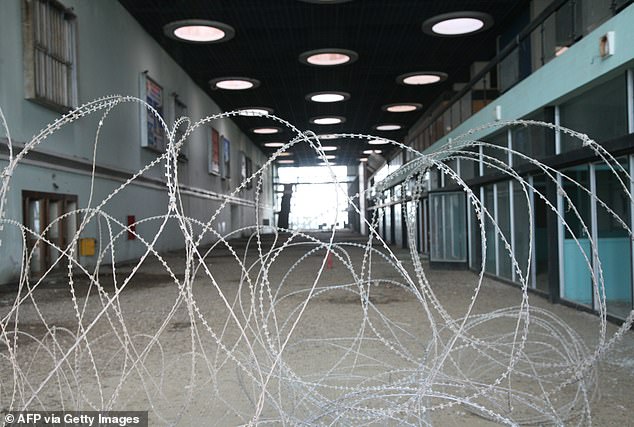
Stepping inside the terminal is akin to stepping back in time. The reception hall, a relic of mid-20th-century design, showcases peeling advertisement boards that once promised exotic holidays to the "ends of the earth" and advertised footwear, capturing the spirit and aspirations of an era long past.
Ascending to the upper levels reveals a departure lounge in a state of profound desolation. Rows of seats, reminiscent of those found on an early science fiction film set, are coated in a thick layer of dust and pigeon droppings, their once-functional purpose now rendered obsolete.
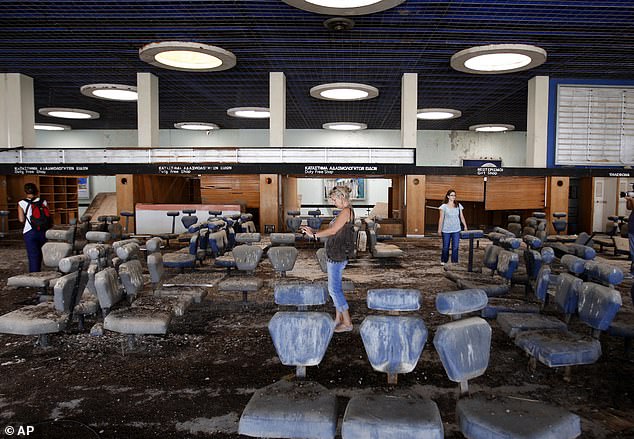
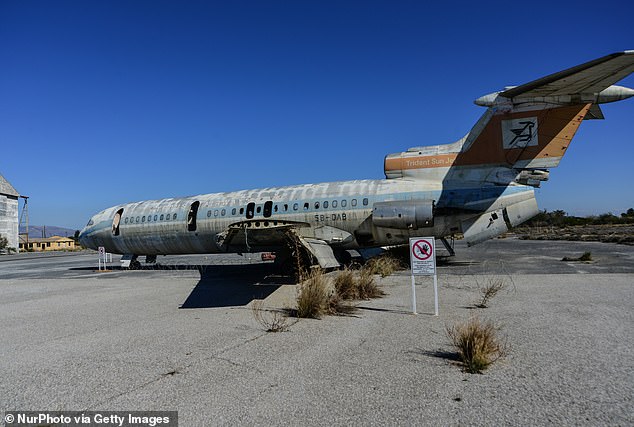
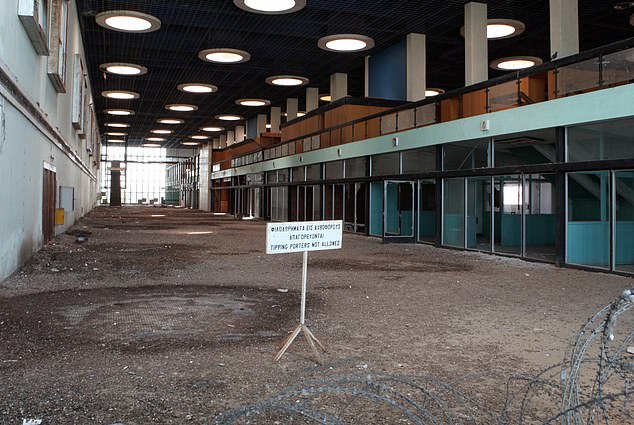
Outside, on the forlorn runway, the solitary shell of a passenger jet remains a stark monument to the airport's demise. Its exterior is pockmarked with bullet holes, a grim reminder of the violence that led to its closure.
The history of Nicosia International Airport is deeply intertwined with the strategic importance of Cyprus. Originally established in the 1920s as a Royal Air Force (RAF) base, it played a critical role during World War II, serving as a vital stopover point for both military and civilian aviation. By the 1950s and 1960s, it had blossomed into a premier gateway for international tourism, attracting a clientele that included Hollywood luminaries such as Elizabeth Taylor.
However, the island's trajectory took a dramatic and tragic turn in 1974. The airport's active life was abruptly cut short by escalating conflict between Greek and Turkish forces, culminating in its destruction and subsequent abandonment. Following the Turkish invasion of Cyprus, the airport was officially closed to all commercial operations, initiating a period of steady deterioration.
The final vestiges of commercial activity at Nicosia Airport occurred in 1977, under the special authorization of the United Nations. British Airways engineers managed to retrieve three stranded Cyprus Airways aircraft, flying them to London. This marked the definitive end of an era for the once-thriving airport.
Last July, the island marked a somber milestone: 50 years since Turkey's invasion of Cyprus, an intervention that followed a brief coup orchestrated by the military regime then governing Greece. The island remains divided, with Greek Cypriots residing in the south and Turkish Cypriots in the north, separated by a UN-controlled ceasefire line that bisects the island from east to west. Despite numerous attempts over the years, reunification talks have consistently failed to yield any tangible results.
Today, the abandoned Nicosia International Airport falls within a United Nations Protected Area and remains largely inaccessible to the general public. Nevertheless, it has become a magnet for urban explorers, individuals drawn to the allure of its decaying grandeur and profound historical significance.
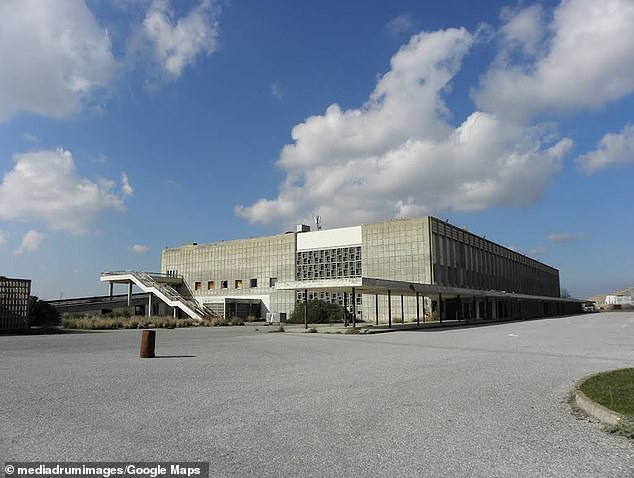
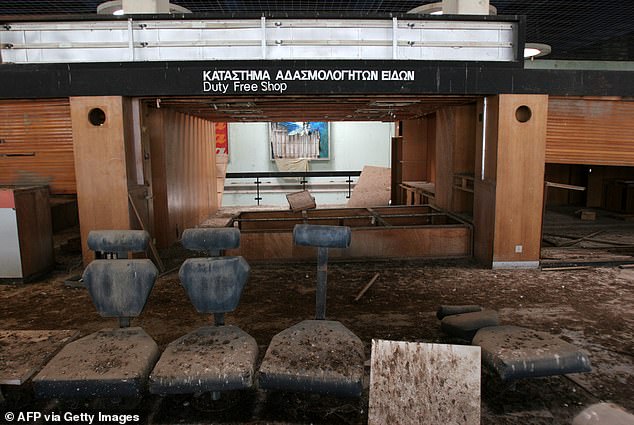
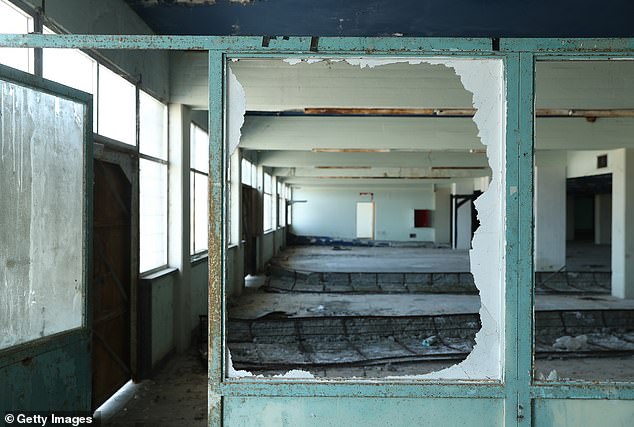
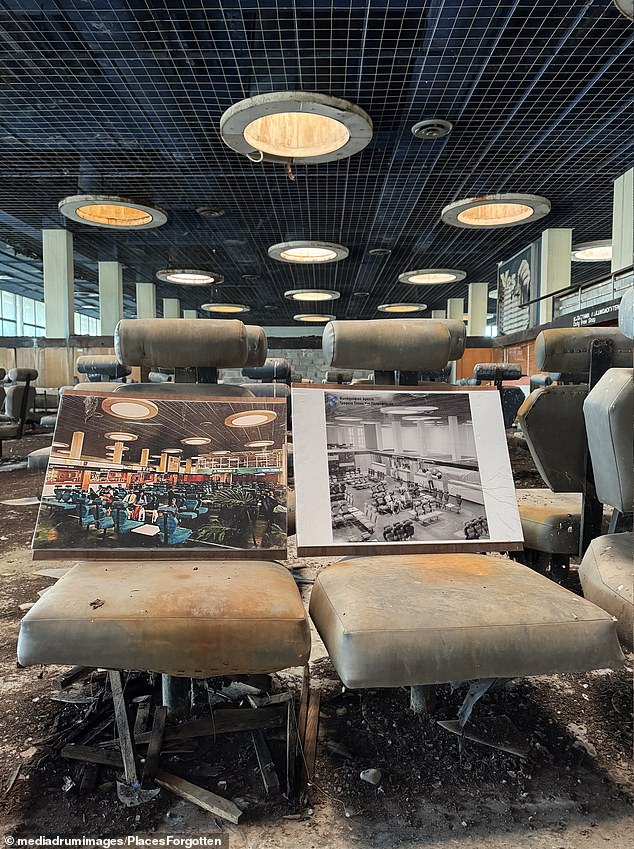
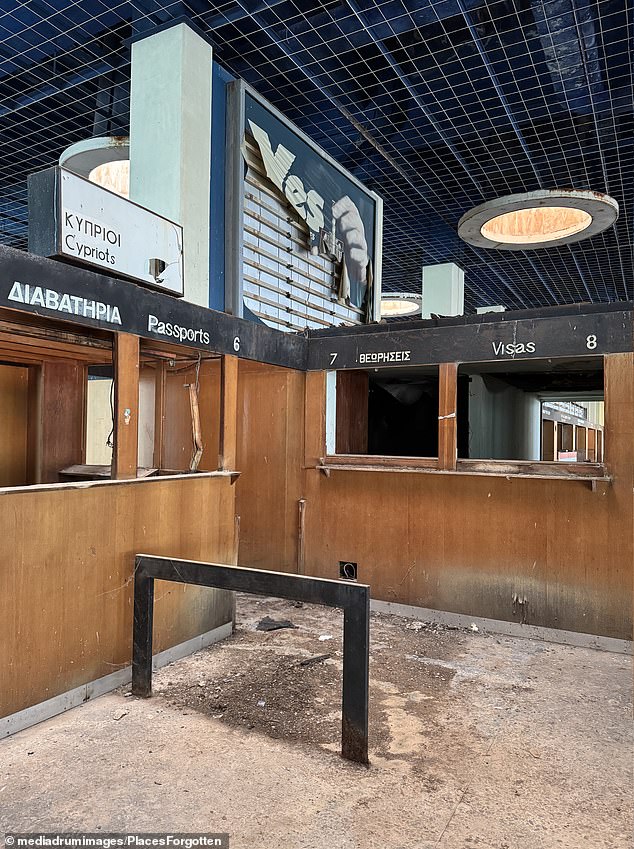
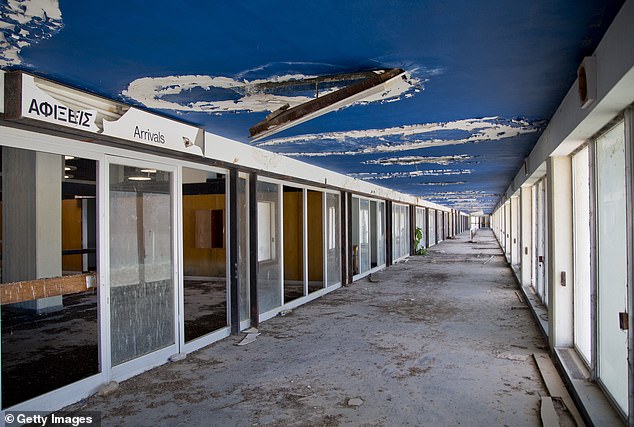
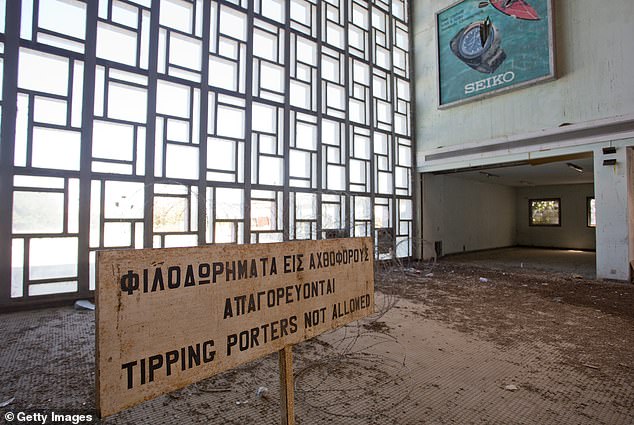
A spokesperson for the United Nations peacekeeping force in Cyprus, reflecting on the airport's state last year, described it as being "frozen in time." The spokesperson elaborated on the numerous past attempts by both sides to reach an agreement on reopening, restoring, and rehabilitating the airport, noting that the inability to reach consensus has led to its gradual deterioration.
Despite its current state of eerie silence and decay, Nicosia International Airport stands as a potent and poignant symbol of Cyprus's complex past. Its derelict runways and abandoned structures continue to whisper stories of the thousands of travellers who once passed through its gates, a silent chronicle of an island's hopes, dreams, and the enduring impact of conflict.
Post a Comment for "Frozen in Time: Eerie UAE Airport's 50-Year Silence"