
Motability Scheme Pivots Away from Luxury Brands Amidst Fairness Concerns
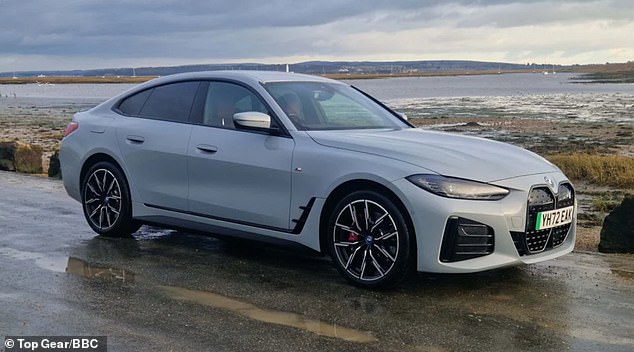
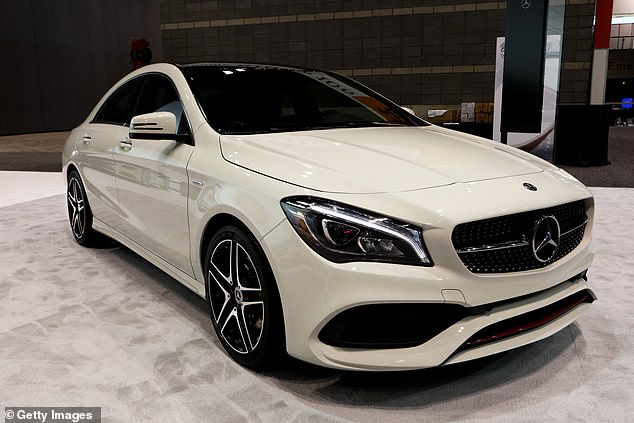
The United Arab Emirates' automotive landscape, known for its discerning clientele and appreciation for premium vehicles, is witnessing a significant shift within the Motability scheme. In a move that has resonated across discussions of fairness and taxpayer-funded benefits, Motability has announced its decision to cease offering vehicles from luxury marques such as BMW and Mercedes-Benz. This strategic pivot also extends to other premium brands, including Audi, Alfa Romeo, and Lexus, signalling a broader reassessment of the programme's offerings.
The Motability scheme, a cornerstone for many individuals with disabilities in the UK, allows eligible benefit claimants to exchange their mobility allowance for a lease on a new vehicle. A key feature of this arrangement is the exemption from Value Added Tax (VAT) and insurance premium tax, making new car acquisition more accessible. While the scheme is a vital lifeline for numerous individuals who rely on it for essential transportation, it has also come under scrutiny for its potential to subsidise luxury models and extend benefits to those with less severe mobility challenges.
Recent figures highlight that a substantial 85 per cent of claimants opt to make additional payments to secure higher-specification vehicles. Furthermore, out of the approximately 300,000 vehicles leased annually through the scheme, a mere 10 per cent are specifically adapted for wheelchair users. This data has fuelled a debate about the equitable distribution of taxpayer-funded resources.
The decision to phase out luxury brands follows concerns articulated by prominent figures, who have voiced apprehension that the scheme was providing a "premium motoring experience subsidised by the taxpayer." This perspective suggests a disconnect between the programme's intent and its practical application, particularly when contrasted with the financial realities faced by many working families. Consequently, Motability claimants currently driving vehicles from these luxury brands will be required to select alternative models when their current leases conclude.
A New Direction: Embracing British Manufacturing and Wider Accessibility
In conjunction with the discontinuation of luxury brand offerings, Motability has articulated a clear commitment to bolstering the use of British-made vehicles within its fleet. The organisation has set an ambitious target: to achieve a milestone where, by 2035, half of all vehicles leased through the scheme are manufactured in the UK. This initiative is expected to provide a significant boost to the domestic automotive industry, supporting skilled jobs and contributing to the national economy.
The reach of the Motability scheme is considerable, with statistics indicating that in certain regions of the UK, nearly ten per cent of the population is eligible to lease a vehicle. Eligibility typically extends to individuals receiving the enhanced rate of the mobility component of the Personal Independence Payment (PIP). This benefit is designed to alleviate the additional costs associated with living with a disability or health condition. Eligible PIP claimants can choose to allocate a portion of their allowance towards leasing a new car, scooter, or powered wheelchair.
Regional Uptake and the Cost of the Scheme
Recent analyses have identified specific geographical areas within England and Wales exhibiting the highest concentration of individuals eligible for the Motability vehicle scheme. Blaenau Gwent in south-east Wales emerged as a leading region, with 7.4 per cent of its local population receiving the relevant disability benefit. Notably, seven out of the top ten areas with the highest uptake were located in Wales, with Knowsley on Merseyside also featuring prominently in the top five. Blackpool registered in tenth place, with 5.6 per cent of its residents receiving enhanced PIP.
The financial implications of the Motability scheme have also been a subject of public discourse. The scheme accounts for a significant portion of new car sales in Britain, exceeding one in five. Last year, the total cost of the scheme saw an increase of nearly 10 per cent, rising from £2.8 billion to £3.074 billion. While the Department for Work and Pensions (DWP) does not directly fund Motability, the mechanism of exchanging mobility allowances for vehicle leases underpins its financial structure.
For instance, a claimant can opt to exchange £60 of their weekly PIP mobility benefit to acquire an all-electric Dacia Spring, which has a retail price of approximately £15,000, with no upfront cost. Alternatively, by surrendering the full weekly allowance of £75.75, a claimant can lease a petrol Nissan Juke SUV, valued at around £23,000. Upon the conclusion of a lease agreement, Motability facilitates the resale of these vehicles on the open market, with the generated profits reinvested into the company's operations.
The expansion of the Motability scheme has been notable, with user numbers growing by a third since 2017. This growth has led to increased scrutiny, particularly as individuals with a wider range of conditions, including tennis elbow, ADHD, and anxiety, have become eligible for new vehicles.
Motability representatives have defended the scheme, emphasizing that many of their customers have disabilities that prevent them from driving themselves. They highlight the critical role the scheme plays in enabling these individuals to navigate their communities, especially when public transport is not a viable option. It is reported that 43 per cent of users rely on a designated driver, often a family member or carer. The scheme currently supports approximately 860,000 users.
Motability's Chief Executive, Andrew Miller, stated, "The Motability scheme makes a difference to disabled people's lives every day and our customers tell us it is a lifeline to freedom and independence." He further added, "Working with government and the automotive sector, we want to do even more to support the economy and our ambitious commitment should put British car manufacturing into top gear."
In alignment with these sentiments, a spokesperson for the scheme added that there are 35,000 adapted Wheelchair Accessible Vehicles (WAVs) and an additional 60,000 adapted vehicles in operation. This demonstrates a commitment to providing diverse mobility solutions tailored to specific needs. The broader economic strategy, as articulated by government officials, aims to foster well-paid, skilled employment through initiatives like backing British car manufacturing, contributing to a growing economy and addressing societal priorities such as reducing NHS waiting lists and alleviating the cost of living.


No comments:
Post a Comment