
The Tiny Ear Pits: A Vestige of Our Deep Evolutionary Past?
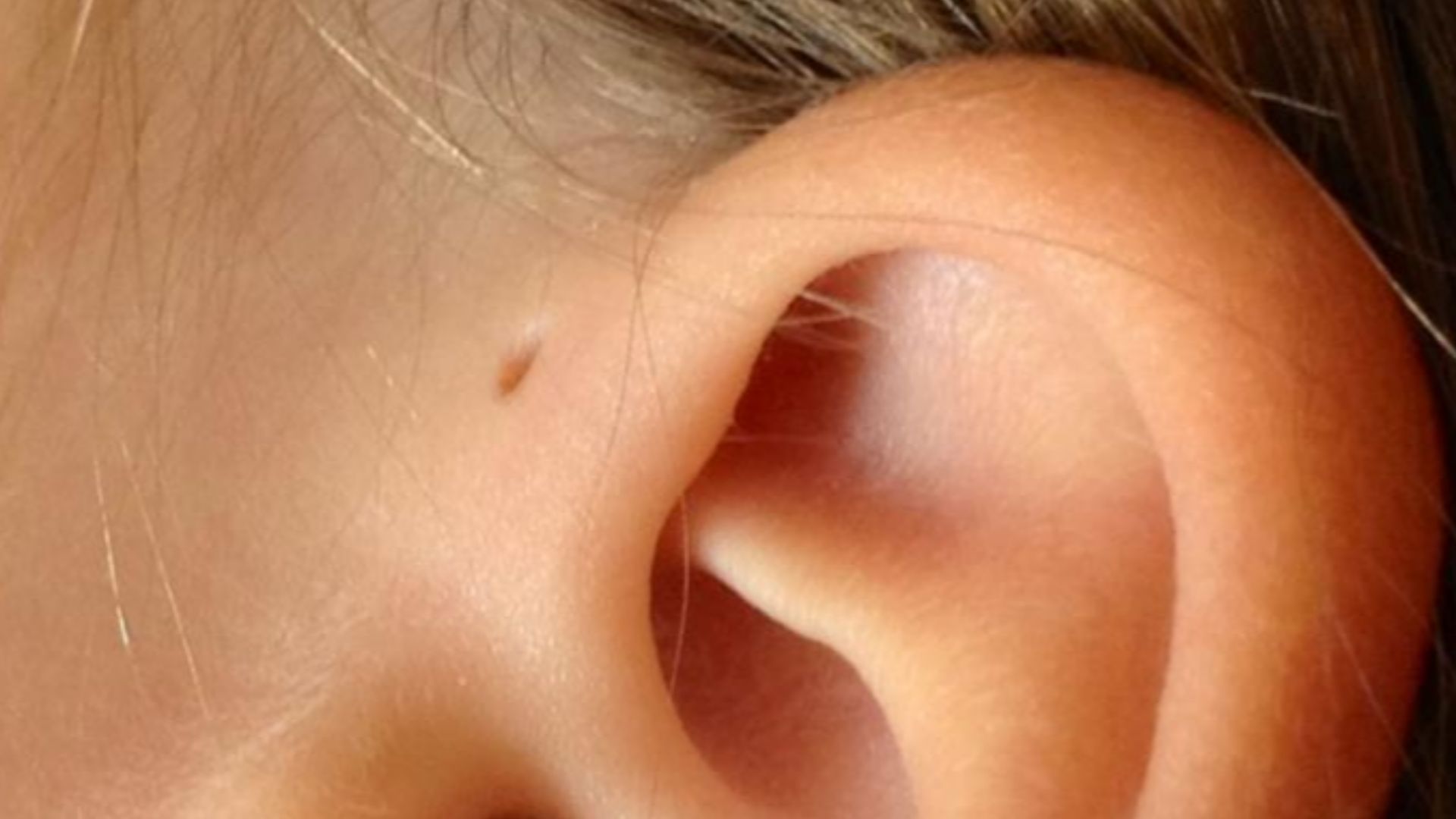
Many Singaporeans might possess a subtle, often unnoticed feature: a faint indentation or a tiny hole located just in front of their ear. These small marks, typically no larger than a freckle or the head of a pin, usually pass by without causing pain or drawing attention. However, this seemingly innocuous detail is more than just a superficial anomaly. It's a recognised anatomical feature with a specific name, a clear developmental origin, and intriguing connections to our ancient evolutionary lineage, potentially even hinting at a shared biological blueprint with our distant fish ancestors.
Understanding the Preauricular Pit: A Congenital Ear Anomaly
The small opening in question is medically known as a preauricular pit. It is not the result of a piercing gone awry or a random skin blemish. In fact, these pits are so well-known that doctors routinely check for them during newborn examinations.
A preauricular pit is a congenital opening, meaning it forms while a fetus is developing in the womb. Specifically, during the sixth week of gestation, the external ear, or auricle, begins to form from a series of small tissue bumps. If these bumps do not fuse perfectly during this developmental stage, a sinus tract, which is a narrow channel beneath the skin, can remain. This tract originates from the visible tiny hole. Therefore, the preauricular pit is not merely a cosmetic indentation but an actual anatomical channel that extends into deeper tissues.

In the majority of cases, this sinus tract is short and uncomplicated, posing no issues for the individual. However, in some instances, the tract can branch out or extend further beneath the skin. This can create a potential pathway for bacteria to enter, leading to occasional problems such as infections or cyst formation later in life. While rare, these pits can sometimes be associated with broader congenital syndromes that affect other organs or structures. Consequently, medical professionals may conduct screenings for them in newborns.
Despite sounding potentially serious, it's important to note that most individuals with preauricular pits lead perfectly healthy lives without experiencing any symptoms. Often, simple observation and good hygiene practices are sufficient. Medical intervention is typically only considered if recurrent infections or discomfort arise.
A Fascinating Link: Ears, Gills, and Ancient Vertebrates
A compelling theory proposed by some scientists suggests that these tiny ear pits might represent a subtle echo of our deep biological history, stretching back to our earliest vertebrate ancestors. While this idea remains a subject of scientific speculation rather than definitive proof, evolutionary biologists have posited that structures like preauricular sinuses could originate from the same developmental processes that were responsible for forming gill structures in fish.
Gills develop from early embryonic tissues known as pharyngeal arches. These same pharyngeal arches are crucial in the development of the head and neck in humans. In our ancient aquatic ancestors, these pharyngeal arches developed into gill slits, which enabled them to extract oxygen from the water.
As evolution progressed and vertebrates transitioned to terrestrial life, these gill structures gradually disappeared, repurposed over millions of years for various other functions. Today, these same pharyngeal arches play a role in shaping the bones and cartilage of the face and ear in humans.
While the tiny ear hole itself is not a direct remnant of a fish gill, its connection to these fundamental developmental tissues fuels this intriguing theory. This overlap in developmental pathways is what leads some experts to observe a tenuous yet fascinating link to fish anatomy. Furthermore, more recent scientific research has identified shared gene activity elements between the cartilage of the outer ear and the gill structures found in early vertebrates.
It is crucial, however, to understand that the "fish gill" theory is a scientific hypothesis. There is no direct evidence proving that the preauricular pit itself is a leftover trait from fish. Instead, the concept arises from observed similarities in developmental biology and the understanding of common ancestry.
When to Be Aware: Managing Preauricular Pits
For most people, a preauricular pit remains an unnoticed feature until it is pointed out. These small indentations are generally harmless and do not impact hearing or daily activities. However, the delicate sinus tract that extends beneath the skin can, on occasion, serve as a conduit for bacteria.
When bacteria enter the pit, it can lead to redness, pus formation, and signs of infection. While most infections respond well to antibiotic treatment, persistent or recurrent problems might necessitate surgical removal of the entire tract to prevent future occurrences.
If you notice any discomfort, discharge, or persistent irritation around this tiny opening, it is advisable to consult a doctor. They can assess whether the pit poses a risk of cyst formation or deeper infection and recommend appropriate treatment if necessary. Conversely, if the pit never causes you any trouble, many adults live their entire lives without experiencing a single symptom.



No comments:
Post a Comment