
Your Foldable Phone's Slow Decay
The Delicate Dance of Foldable Screens: Maximizing Your Device's Lifespan
Foldable phones have revolutionized the smartphone landscape, offering a unique blend of portability and expansive screen real estate. For many, myself included, these devices have become indispensable tools, even replacing traditional laptops for certain tasks. However, the innovative folding mechanism, while impressive, introduces a new set of considerations for screen durability. While these screens are engineered for resilience, they are inherently more susceptible to wear and tear than their rigid counterparts. Understanding these vulnerabilities is key to ensuring your foldable phone remains a reliable companion for years to come.
The Fragility of Flexible Displays
Unlike the robust, glass-based screens found on traditional smartphones, the inner displays of foldable devices are crafted from a thin, pliable plastic. This material is essential for the folding action, allowing the screen to bend without cracking. However, this flexibility comes at a cost: increased vulnerability to scratches. A simple encounter with a fingernail or a stray key in your pocket can easily mar the surface. This holds true regardless of whether you favor the book-style foldable, which opens like a traditional notebook, or the more compact flip foldable designs.
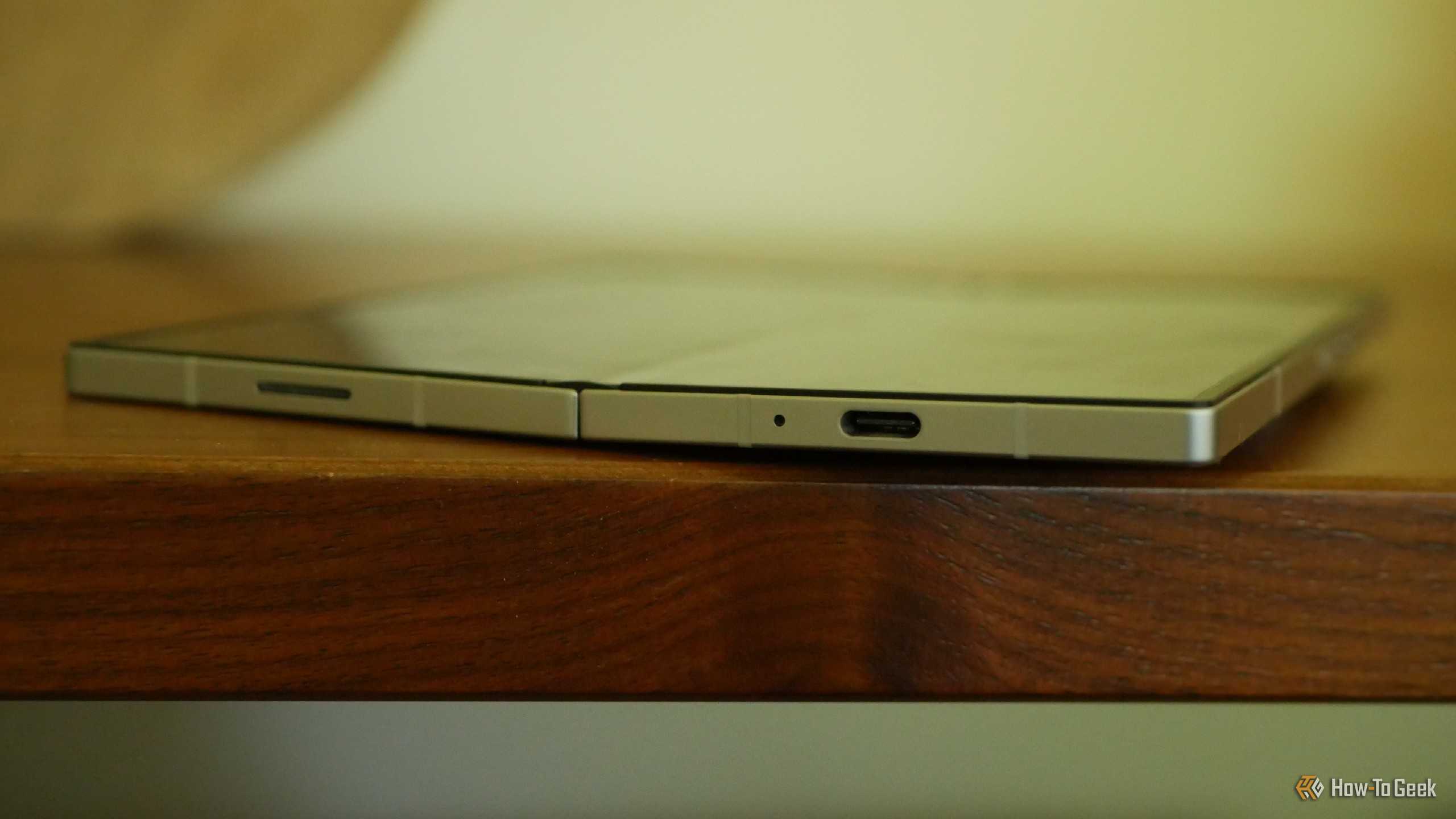
This inherent susceptibility means that the delicate folding screen undergoes significant stress with each use. Every time the phone is unfolded, the screen is stretched, and when it's folded, that tension is released. This constant cycle of tension and relaxation, coupled with the movement in between, places a considerable strain on the display. For users like myself, who frequently unfold their devices, the inner screen is in constant motion, experiencing a high degree of daily use.
Understanding Fold Limits and Longevity
Manufacturers typically provide an estimated lifespan for their foldable screens, measured in the number of folds. Fortunately, these figures are generally quite high, often in the hundreds of thousands. Even with frequent daily use, a user can reasonably expect the screen to last for several years, potentially exceeding half a decade, before reaching the advertised fold limit. While the technology is still relatively new, and long-term, real-world data is still accumulating, early foldable models were not as durable as the current generation. Nevertheless, the projected longevity suggests that for most users, the screen will outlast their intended ownership period for the device.
Protecting Your Investment: Practical Habits for Foldable Users
The good news is that proactive measures can significantly extend the life of your foldable phone's inner screen. Based on personal experience, the inner display often remains in better condition than the outer screen, primarily due to mindful usage habits.
-
Keep it Closed When Not in Use: This is perhaps the most crucial habit. When your foldable phone is not actively being used, keeping it closed provides a vital layer of protection. The inner screen is shielded from accidental contact with objects in your pocket or bag, and it's not exposed to the elements. In the event of a drop, the exterior casing typically absorbs the impact, leaving the delicate inner display unharmed.
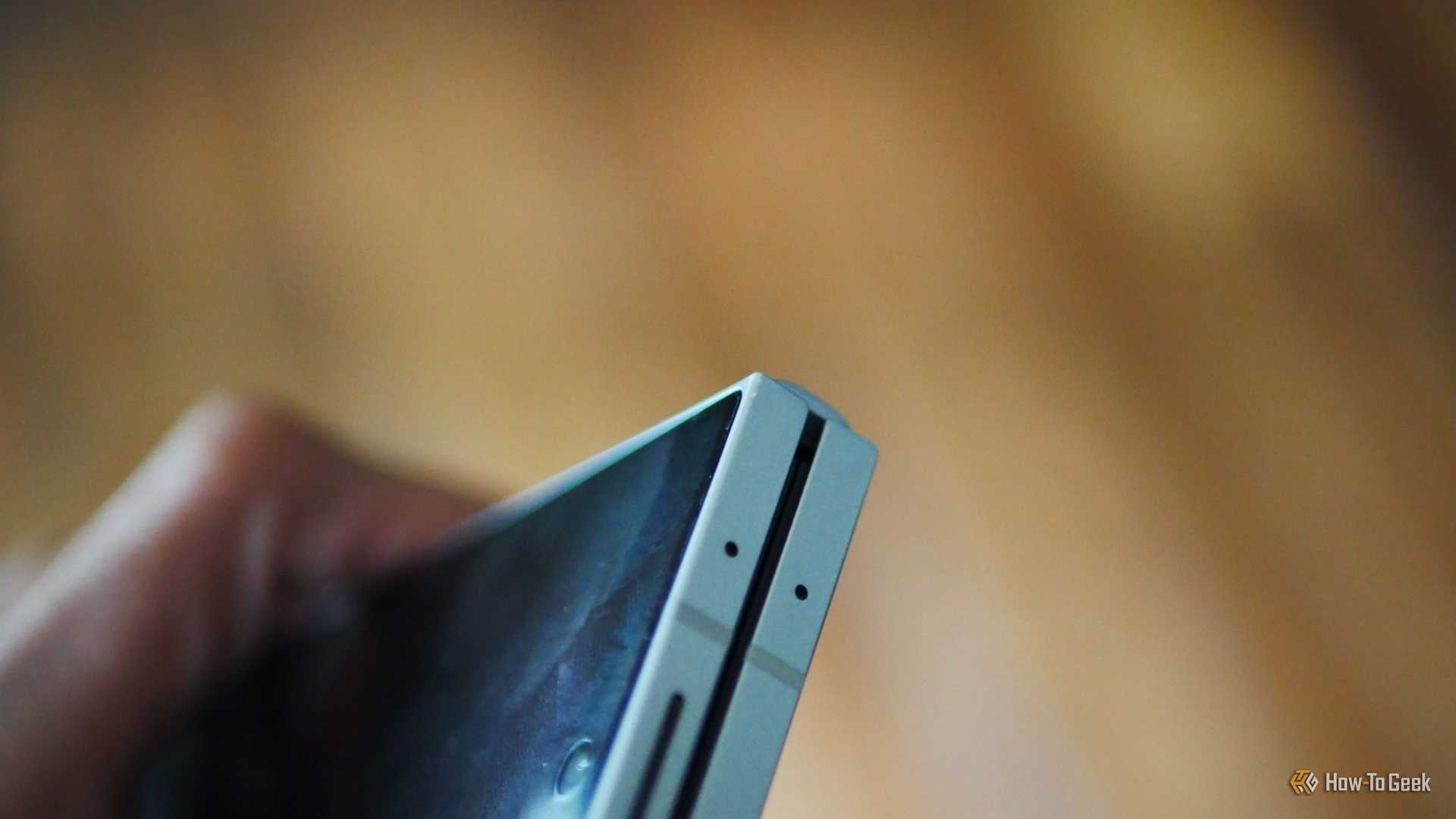
This simple practice appears to be a common denominator among users who report excellent long-term condition of their inner screens. By ensuring your phone is folded when not in immediate use, you minimize the risk of everyday abrasions and potential damage.
-
Steer Clear of Gritty Environments: While accidental drops might be less of a concern for the inner screen's integrity compared to its rigid counterparts, the most insidious threats come in the form of small, abrasive particles. Environments like beaches or workplaces with significant dust and grit pose a substantial risk. Closing your phone with a grain of sand trapped within the hinge, or worse, allowing particles to infiltrate the mechanism, can lead to irreparable damage. These tiny invaders can scratch and abrade the flexible display over time, compromising its clarity and functionality.
The Importance of Protection and Insurance
Even with the most careful handling, the unpredictable nature of technology means that screen failures can still occur. Anecdotal reports of dead pixels, dark streaks appearing along the hinge, or other display anomalies are not uncommon. Like any mass-produced electronic device, some units may possess manufacturing defects.
- Consider a Protection Plan or Insurance: Given the potential for unforeseen issues, investing in a phone protection plan or comprehensive insurance policy is a wise decision. For many, this might be a first-time purchase of such a service, but the peace of mind it offers is invaluable. Should your screen experience a failure, having a plan in place ensures that you can access prompt and straightforward repairs without incurring significant out-of-pocket expenses.
The allure of foldable phones is undeniable. They represent a significant leap forward in mobile technology, offering a versatile and engaging user experience. The ability to carry a device that functions as both a compact smartphone and an expansive e-reader or digital notebook in your pocket is a remarkable convenience. While the potential need for a screen replacement down the line might be a consideration, the profound utility and enjoyment derived from these innovative devices make it a worthwhile trade-off for many users. By adopting these protective habits and considering a robust protection plan, you can significantly enhance the lifespan and reliability of your foldable phone, ensuring it continues to impress for years to come.
Post a Comment for "Your Foldable Phone's Slow Decay"