
Japan's $7 Trillion JGB Selloff Jolts Global Markets
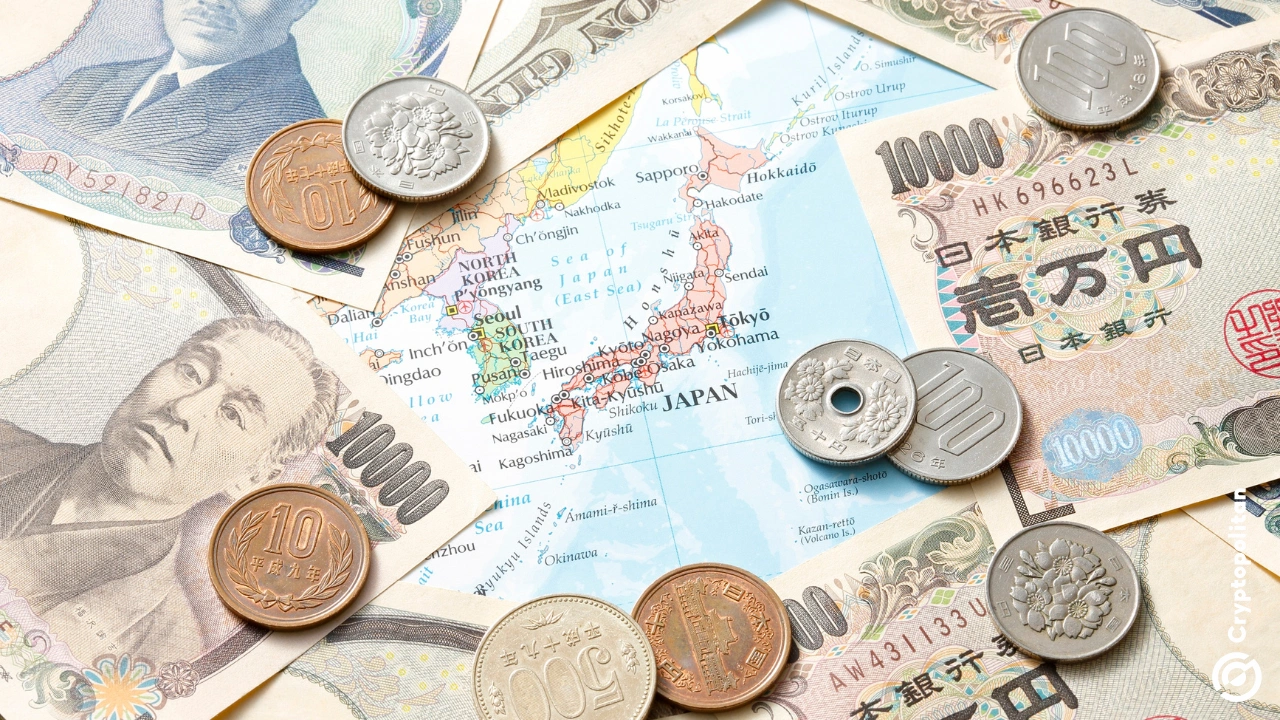 Japan's once-stable government bond market, a bedrock of global finance, has experienced a dramatic and unexpected upheaval. In a single trading session, a fierce selloff erased an estimated $41 billion from the nation's colossal $7.3 trillion debt market, shattering the perception of Japan as a haven of calm for investors. The yield on the benchmark 30-year Japanese Government Bond (JGB) surged by over a quarter of a percentage point in a single day – a seismic event in a market traditionally characterized by incremental movements measured in mere basis points.
Pramol Dhawan of Pacific Investment Management underscored the magnitude of this shift, stating, "A quarter-point surge in yields in a single session. Let that sink in." For years, Japan served as a primary destination for investors seeking low-interest rates and accessible funding. Now, it has unexpectedly become a source of market volatility. Persistent inflation has taken hold, and Prime Minister Takaichi Sanae's administration is signaling a commitment to increased government spending, further unsettling bond traders who are now confronting long-term debt yields exceeding 4%.
Political Maneuvers and Market Turmoil
The current chaos in the JGB market is intrinsically linked to political developments. Prime Minister Takaichi Sanae's decision to call a snap election for February 8, coupled with her and her rivals' proposals for looser fiscal policies, has exacerbated market anxieties. The selloff experienced on a recent Tuesday was particularly brutal. The yield on the 40-year JGB breached the 4% threshold for the first time in history, while the 30-year yield experienced an eightfold increase compared to its typical daily fluctuation.
This is not merely a minor market correction. Masayuki Koguchi, an analyst at Mitsubishi UFJ, expressed concern, stating, "I don’t think Japan’s yields have gone far enough yet. This is just the beginning. There’s a chance that bigger shocks will happen." The underlying pressures have been building for some time. The Bank of Japan (BOJ) ended its negative interest rate policy in March 2024, a move that has since led to nine separate days of JGB losses exceeding double the historical average.
The Japanese yen has also been caught in the crossfire. Initial attempts by the central bank, under Governor Kazuo Ueda, to stabilize the market by suggesting a potential return to bond purchases led to a temporary rebound in long-term debt. However, this was immediately followed by a sharp depreciation of the yen.
The situation escalated further with rumors of government intervention in currency markets circulating through Tokyo's trading desks. These whispers gained traction when the Federal Reserve Bank of New York contacted major banks to inquire about the yen's exchange rate, signaling a clear warning that the currency's instability was a global concern. U.S. Treasury Secretary Scott Bessent's direct communication with Japanese Finance Minister Satsuki Katayama highlighted the international implications, indicating that Japan's economic troubles were no longer solely its own domestic issue.
Goldman Sachs has quantified the spillover effect, estimating that every 10 basis point increase in JGB stress translates to an approximate 2 to 3 basis point rise in U.S. Treasury yields. This demonstrates how Japan's bond market turmoil is now directly impacting global financial markets.
Unwinding Carry Trades and Foreign Capital Flows
The yen's significance extends beyond its role as a national currency; it has historically served as a crucial funding mechanism for global investment strategies. Billions of dollars have been borrowed in yen by foreign investors seeking higher returns through "carry trades" in other markets. Mizuho Securities estimates that up to $450 billion in such trades are currently in place. A sustained rise in Japanese yields could trigger a catastrophic unwinding of this entire strategy.
Evidence of this unwinding is already emerging. In mid-2024, following another interest rate hike by the BOJ, the yen experienced a significant appreciation, leading to swift declines in global stocks and bonds as investors dumped approximately $1.1 trillion worth of carry trades. The BOJ's attempt to soothe markets by promising a slow pace of rate increases, with current rates at only 0.75%, inadvertently emboldened traders to re-engage in the same speculative bets.
Compounding these issues are failing bond auctions, indicating a significant drop in investor participation. Inflation remains a persistent challenge, standing at 3.1% – the fourth consecutive year exceeding the central bank's 2% target. Public discontent over the rising cost of living contributed to the ousting of Prime Minister Shigeru Ishiba in October.
Prime Minister Takaichi Sanae's subsequent pledge to implement the most substantial stimulus package since the COVID-19 pandemic has only amplified the upward pressure on yields. The 30-year JGB yield has climbed 75 basis points in under three months, a rate of increase that previously took most of a year. Shinji Kunibe of Sumitomo Mitsui DS noted, "Since Takaichi came into office, there’s been some disregard toward the yield movements. The fiscal situation is causing a credibility issue."
The current situation has drawn comparisons to the market turmoil experienced in the U.K. during the Liz Truss premiership in 2022. Ugo Lancioni at Neuberger Berman remarked, "The danger is that Japan was a market that never moved and now you’re dealing with a level of volatility that is remarkable. You could call it a Truss moment."
Domestic Capital Re-evaluation and Market Fragility
Japan's national debt remains a significant concern, with a debt-to-GDP ratio of 230%, the highest among G7 nations. When Prime Minister Takaichi proposed suspending sales tax on food, the bond market reacted negatively once again. This sensitivity was less pronounced in the past when the BOJ absorbed a vast quantity of government debt. However, with the central bank scaling back its purchases, negative news now has a more profound impact.
Foreign ownership of JGBs has surged dramatically. In 2009, foreigners accounted for only 12% of monthly bond trades, a figure that has now climbed to 65%. This increased foreign participation, characterized by faster trading and quicker exits, is contributing to heightened market volatility. Stefan Rittner at Allianz Global Investors described the market as being in a "fragile phase," noting that the BOJ's withdrawal of support is not being adequately offset by domestic buyers.
The recent market crash occurred with surprisingly low trading volumes. A mere $170 million in 30-year bonds and $110 million in 40-year bonds were sufficient to trigger the collapse, a minuscule amount relative to the size of the overall market. However, this triggered a rapid snowball effect.
Consequently, Japanese investors are beginning to re-evaluate their overseas investments. With approximately $5 trillion of Japanese capital currently invested abroad, rising domestic yields may prompt a significant shift. Arihiro Nagata, head of global markets at Sumitomo Mitsui, expressed this sentiment, stating, "I always loved foreign bond investment, but not anymore. Now it’s JGBs."
Japan's second-largest bank is actively adjusting its portfolio, and life insurance companies, such as Meiji Yasuda with $2 trillion in securities, are closely monitoring the situation, viewing current market conditions as a potential buying opportunity. Goldman Sachs forecasts that Japan's 30-year yield could soon rival that of U.S. Treasuries.
The 10-year JGB is also showing signs of upward pressure. Koguchi predicts it could rise another 1.25 points to reach 3.5%. Such a move would have far-reaching consequences, influencing everything from mortgage rates to corporate borrowing costs. Without a fundamental shift in fiscal and monetary policy, the downward pressure on JGBs is unlikely to abate.
James Athey at Marlborough Investment identified "repatriation flows" as the critical factor to watch. He commented, "The economics are already overwhelming for Japanese investors. But history says they won’t rush. It is a positive that we’ve seen some baby steps in that direction with headlines suggesting that Sumitomo is looking to increase JGB exposure."
Post a Comment for "Japan's $7 Trillion JGB Selloff Jolts Global Markets"