
Marin County Supervisors Relocate for Crucial Audiovisual Upgrades
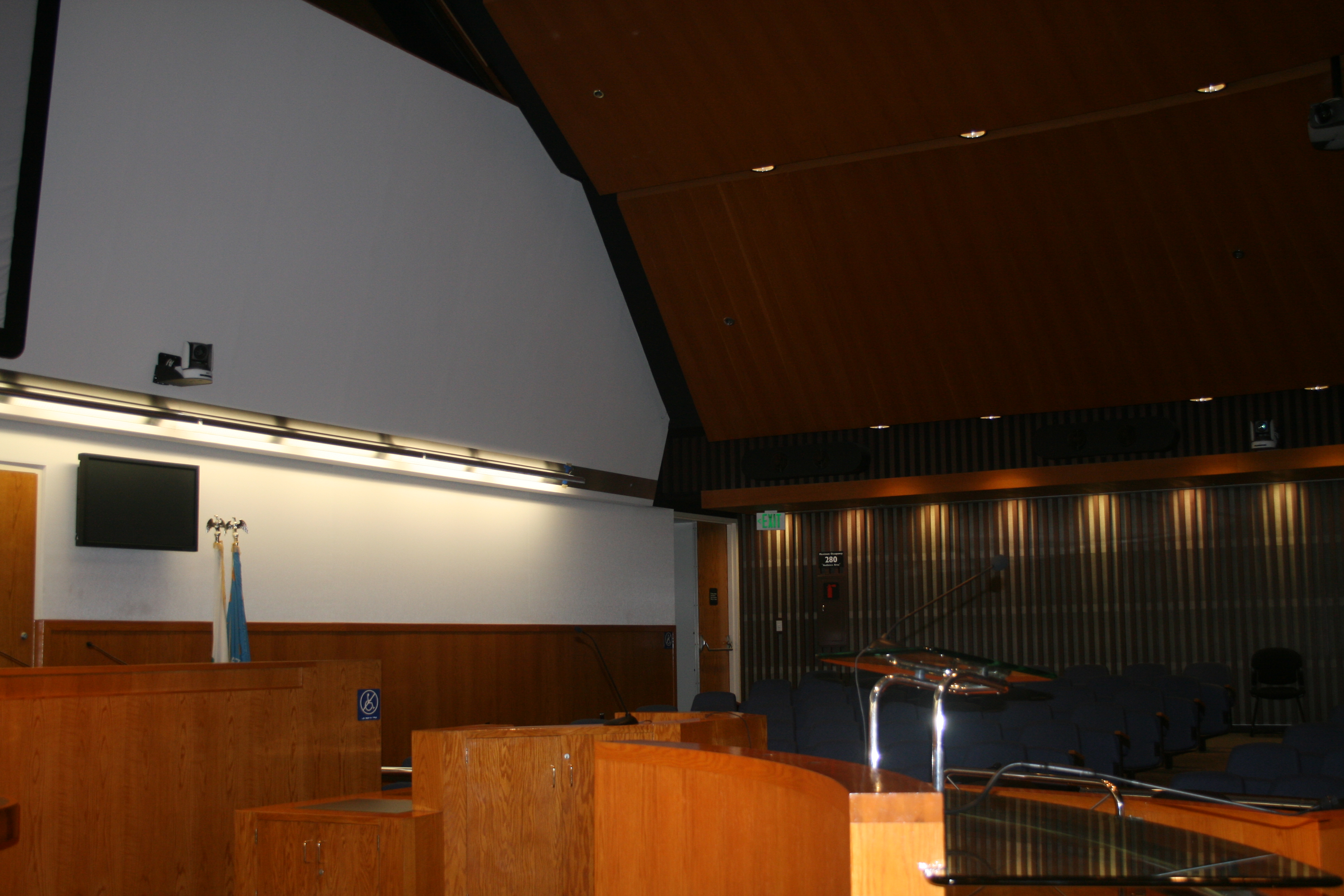
Marin County supervisors have begun the new year with a temporary change of scenery, relocating their meetings to the Marin Center Showcase Theater. This shift is necessitated by the installation of a new $1.14 million audiovisual broadcasting system within their usual chambers. The upgrade aims to significantly improve the quality and accessibility of public meetings.
This temporary relocation is anticipated to last through February, though the duration could be extended depending on the progress of the construction work. Throughout this period, supervisors' meetings, along with those of other regular attendees like the Marin Housing Authority and the Marin County Planning Commission, will be held in the Showcase Theater. Crucially, all meetings will continue to be streamed online, ensuring that the public can still participate and stay informed remotely.
County Executive Derek Johnson highlighted the importance of these enhancements at a December 16th meeting. "These improvements will significantly enhance sound quality, video clarity, and really help us meet some of our livestream reliability and other ADA requirements for everyone who participates," Johnson stated, referring to the Americans with Disabilities Act.
Coinciding with these upgrades, supervisors also approved an additional $1.19 million expenditure to enhance the audiovisual equipment in the county's conference rooms.
A History of Accessibility and the Need for Modernization
For at least the past two decades, Marin County has been committed to making supervisors' meetings accessible to the public. Historically, these meetings have been available for viewing online, on Comcast Channel 27, and on AT&T U-verse Channel 99. The COVID-19 pandemic further accelerated the adoption of more robust remote access options.
During the height of the pandemic, in-person meetings were suspended due to concerns about virus transmission. For several months, supervisors conducted their business exclusively via the Zoom video conferencing platform. As public health conditions eased and in-person gatherings became permissible again, the county chose to maintain the use of Zoom. This decision was driven by a desire to continue offering the public the ability to provide comments remotely, fostering continued civic engagement.
However, the existing technology has reached the end of its operational life. Laine Hendricks, a spokesperson for the county, explained the pressing need for an upgrade: "Our equipment is antiquated and failing, leading to crackling or uneven audio, video stream disruption, and other challenges which impact the public’s ability to view and engage with our meetings."
New Legislation Driving Enhanced Accessibility
The push for these upgrades is also influenced by new state legislation. Senate Bill 707, signed into law by Governor Gavin Newsom in October, mandates that legislative bodies provide a two-way telephonic or audiovisual platform for public participation in all their meetings. Specifically, if an audiovisual platform is utilized, the law requires bodies to publicly post and provide a call-in option, along with active captioning functions.
The forthcoming audiovisual system is designed to meet and exceed these requirements, incorporating advanced features such as:
- Dual-language captioning
- Simultaneous interpretation services
- Assistive listening technology
- Integration of American Sign Language (ASL) into meeting broadcasts
Addressing Specific Accessibility Needs
Jonathan Frieman of San Rafael, a long-time advocate for individuals with hearing loss, expressed a cautious optimism regarding the county's plans. Frieman, who is deaf without hearing aids, has encountered challenges with current systems. He recounted an incident in September where Marin County Superior Court staff refused to swear him in because he could not audibly confirm his understanding when contesting a traffic ticket.
The county's current assistive listening devices utilize Wi-Fi to transmit audio directly from the meeting's sound system to personal receivers or compatible hearing aids. Frieman noted a significant drawback: "The only problem with that is that there is a lag between the time they are saying words, and I’m hearing it in my ears." This synchronization issue, he explained, is akin to watching a poorly dubbed movie and makes it difficult for individuals who rely on lip-reading.
Hendricks acknowledged these ongoing issues. "The county is aware of 'lots of issues and inconsistent performance' with the devices and intends to replace them with another product," she stated. The new system's integration is expected to provide "greater audio clarity and better coverage/range in the physical board chamber space."
The upgraded system will offer users multiple connection options. They can utilize a provided receiver and headphones, or connect via a smartphone app. The technology will also support direct connections for t-coil hearing aids and cochlear implants.
Expanding Captioning and Interpretation Services
Currently, Marin County provides English captions online and on displays within the supervisors' chambers. With the new system, both English and Spanish captions will be available online and displayed in the meeting room. Spanish interpretation services, already in place for the past few years, will continue to be offered.
Laney Davidson, the county's disability access manager, emphasized the universal benefits of captioning. "Unlike accommodations that may be requested individually, captions are a universal design feature that benefits everyone in the room," Davidson explained. She further elaborated on the broad impact of captions, noting their value for individuals with diverse communication needs, including those who are late-deafened, have auditory processing disorders, are non-native English speakers, or are unfamiliar with technical or policy-specific terminology. Captions serve as a vital tool to reinforce understanding for a wide range of participants.


No comments:
Post a Comment