
Britons Unaware of Bread's Hidden Ingredients, Fueling Concerns Over Ultra-Processed Foods
New research has unveiled a startling lack of awareness among Britons regarding the composition of their daily bread. A significant majority, nearly three-quarters of the population, are unable to identify the ingredients present in the bread they purchase and consume. This revelation stems from a recent study by food brand Biona, which found that an overwhelming 73 per cent of individuals could not name the ten most common additives and preservatives typically found in supermarket loaves.
These additives, often included to preserve flavour, extend shelf life, and enhance appearance, texture, and nutritional value, are largely a mystery to the average consumer. Further compounding this concern, a staggering 93 per cent of respondents were unaware that a single slice of bread can contain as many as 19 different additives and preservatives. In contrast, a substantial 40 per cent of Britons believed a slice of bread contained fewer than 10 ingredients.
This lack of transparency comes at a time when bread is identified as one of the most frequently consumed ultra-processed foods (UPFs) in the UK. Despite this, 36 per cent of Britons have expressed a desire to reduce their intake of UPFs.
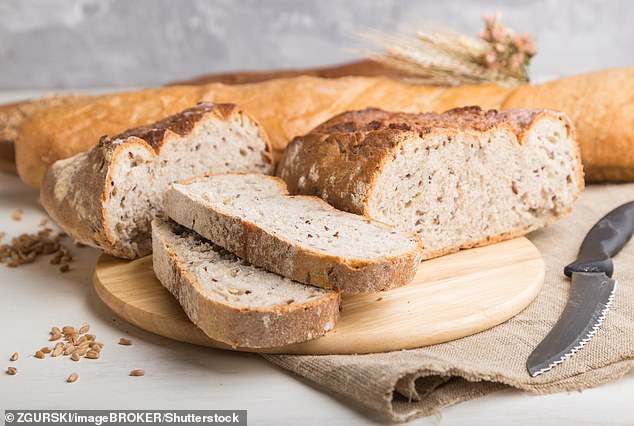
The findings are part of Biona's 'Rye January' campaign, an initiative designed to encourage consumers to consider switching their regular bread for rye bread throughout the month of January. Rye bread, a member of the sourdough family, is experiencing a surge in popularity across the UK, with nearly 30 per cent of people having already tried it.
The Healthier Alternative: Understanding Rye Bread
Rye bread is increasingly being recognised as a healthier alternative, often made with a simple four-ingredient organic composition, utilising traditional fermentation processes. Notably, it is free from yeast, wheat, and dairy.
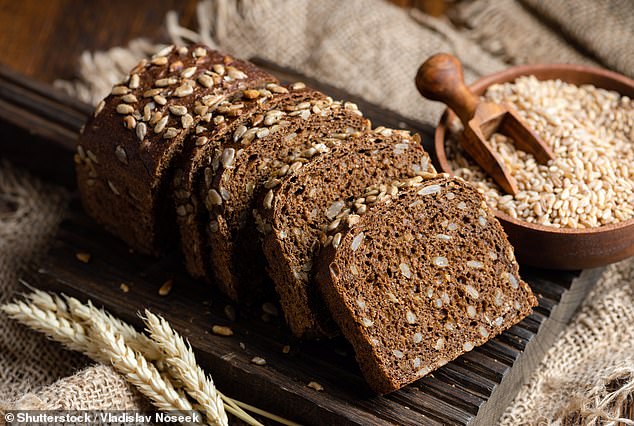
Beyond its minimalist ingredient list, research has highlighted the tangible health benefits associated with rye bread. Studies indicate that it can contribute to improved blood sugar control, reduce cholesterol levels by up to 14 per cent, and promote a greater sense of fullness, thereby aiding in weight management. These benefits are attributed to its high fibre content and low glycaemic index (GI). A low GI means the bread is digested more slowly, preventing sharp spikes in blood sugar levels that can trigger hunger pangs.
Dr. Rupy Aujla, a General Practitioner (GP) and author of 'The Doctor's Kitchen,' champions rye bread for its health-boosting properties. He states, "As a GP, I always encourage people to make simple swaps to everyday food items that can have significant health benefits, and rye bread is one of these. Rye bread is high in fibre, low on the GI index, can reduce cholesterol, as well as keeping you fuller for longer and providing a good source of protein, vitamins, and minerals. Rye bread is also fermented and wheat and yeast-free, so a brilliant nutritious, real food to add into your diet. Biona’s rye bread wins for me as it contains only four organic ingredients – just like bread should be."
Growing Consumer Awareness and Concerns
The recent research emerges against a backdrop of escalating consumer concern. Almost half of Britons surveyed admitted to being 'concerned' about the ingredients present in their daily bread. Furthermore, a further nearly 30 per cent reported an increasing obsession with understanding the exact chemicals present in their diet.
The potential health implications of additives found in ultra-processed foods have been a subject of increasing scientific scrutiny. Earlier this year, German researchers analysed data from over 180,000 participants, categorising the most detrimental food additives into five groups: flavourings, flavour enhancers, colour agents, sweeteners, and various types of sugars. These are commonly found in UPFs.
The research identified 12 specific markers of ultra-processed foods that were found to significantly elevate the risk of mortality. These markers include flavour enhancers such as glutamate and ribonucleotides, and sweeteners like acesulfame, saccharin, and sucralose. Additionally, processing aids like caking agents, firming agents, gelling agents, and thickeners, along with sugars such as fructose, inverted sugar, lactose, and maltodextrin, were highlighted. Other studies have established links between UPFs and a range of health issues, including obesity, heart disease, type 2 diabetes, certain cancers, and premature death.
Defining Ultra-Processed Foods (UPFs)
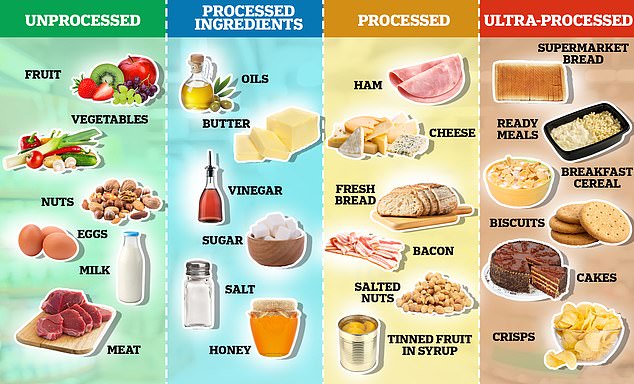
Ultra-processed foods are characterised by their high content of added fats, sugars, and salt, while being low in protein and fibre. They often contain artificial colourings, sweeteners, and preservatives. The term encompasses foods that include ingredients that a person would not typically add during home cooking, such as various chemicals, colourings, and preservatives. Popular examples of UPFs include ready meals, ice cream, sausages, deep-fried chicken, and ketchup.
It is important to distinguish UPFs from simply processed foods. Processed foods are altered to extend their shelf life or enhance taste, examples being cured meats and cheese. Fresh bread, while processed, typically contains a more limited set of ingredients compared to its ultra-processed counterparts.
UPFs, such as sausages, many breakfast cereals, biscuits, and fizzy drinks, are essentially formulations made predominantly or entirely from substances derived from foods and additives. They contain minimal amounts of unprocessed or minimally processed foods like fruits, vegetables, seeds, and eggs. These foods are often heavily laden with sugars, oils, fats, and salt, alongside additives like preservatives, antioxidants, and stabilisers. UPFs are typically presented as ready-to-consume, designed to be palatable, and are often more affordable.


No comments:
Post a Comment