
Black bear bluff charges 2 people walking in Squamish
Conservation officers are warning the public about a black bear encounter in the Sea to Sky region over the weekend, as the animals start to emerge from hibernation.
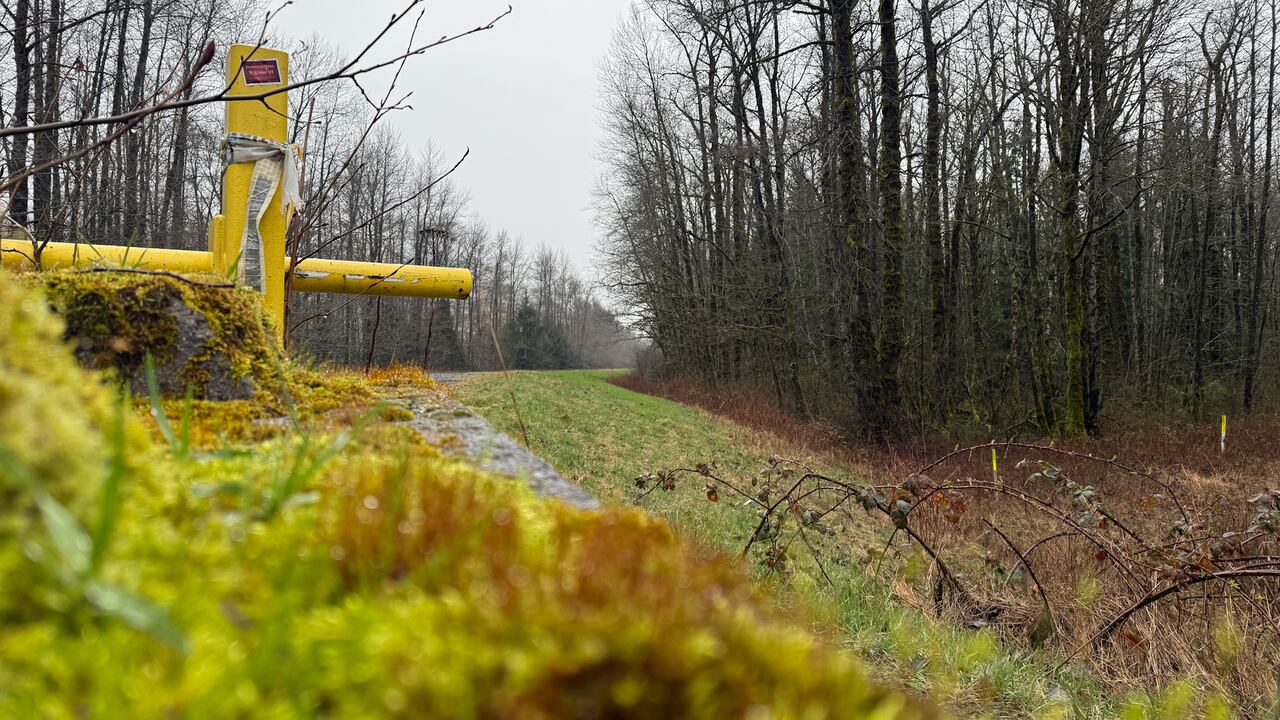
Two people were walking in the Skwelwil'em Squamish Estuary Wildlife Management Area along Spit Road near Government Road when they came within 1.5 metres of a black bear.
Conservation officer Sasha Zukewich said the incident took place around 5 p.m. Sunday, and the bear bluff charged the individuals.
"The walkers did an excellent job of keeping their wits about them. They backed away slowly. They yelled. They maintained appropriate posture," Zukewich said.
No one was injured, and the bear did not make any physical contact with the two people.
Bears typically come out of hibernation in B.C. sometime in March or April, and this recent encounter signifies their wake-up may be a bit early this year.
"Of course, temperature and caloric availability are factors that fluctuate year to year," Zukewich said. "It's definitely on the earlier side, but the earlier side of normal."
What is a bear bluff charge?
Holly Reisner, the executive director of the North Shore Black Bear Society, said that when a black bear bluff charges, it is asking for space.
"When a person is too close to a black bear, the black bear has lots of different ways of telling us that we're too close and basically asking us to back off," Reisner said.
People don’t often understand the bear's body language, she explains.
"They do lots of things, they might drool [and] that could be a sign of them being nervous, they might paw the ground, they might turn away and ignore the person," Reisner said.
When a bear bluff charges, it has no intention of making contact with the person, she said.
"What they do is they take a few steps really fast towards you, and then they stop," Reisner said. "It can be very scary for a person."
She described black bears as calm and peaceful animals.
"I think the biggest misconception is that people will think that that bear's got aggressive intentions against humans, and in general, black bears really don't," Reisner said.
"Contact between black bears and humans is so rare," she said, adding that if contact is made, it's often just a minor scratch.
Coexisting with bears in areas such as Squamish means making sure the animal can hear you so as not surprise them, she said.
"The human voice is the best sound tool," Zukewich said.
The people who were walking did not have a dog with them, but Zukewich said it's important to remind people about keeping dogs on leash.
"The big thing, in Squamish, in the wooded areas particularly close to town, is really hammering home the point about leashing dogs," Zukewich said.
"Unfortunately for local wildlife, it can be really distressing and can lead to these kinds of encounters."
Managing bear attractants
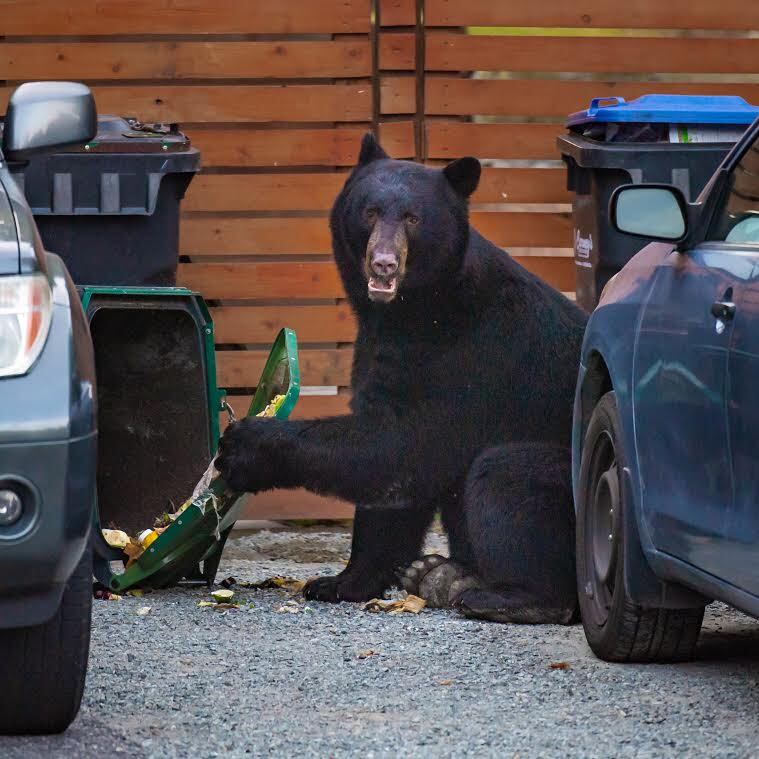
Reisner says garbage bins should be regularly cleaned out, and food waste should not go inside them until the morning of collection.
"They're really intelligent animals, and they can smell about 20 times better than we can," Reisner said.
Another helpful tip is freezing food waste and cleaning bins out with vinegar once in a while.
Kathy Murray of advocacy group WildSafeBC says springtime is an opportunity to keep wildlife safe.
"It's really important to remove anything from your property to disrupt wildlife," Murray said. "Once wildlife learns to eat human food, there's no turning back."
Anything that could potentially attract bears could also bring in other animals, including rats.
"Nobody wants rats on their property, so it is our responsibility to ensure critical decisions to manage attractants, and the end result will be a cleaner and safer community for wildlife and people," Murray said.
Post a Comment for "Black bear bluff charges 2 people walking in Squamish"