
Diagnostic Test Waiting Lists Surge Across the NHS, Impacting Patient Pathways
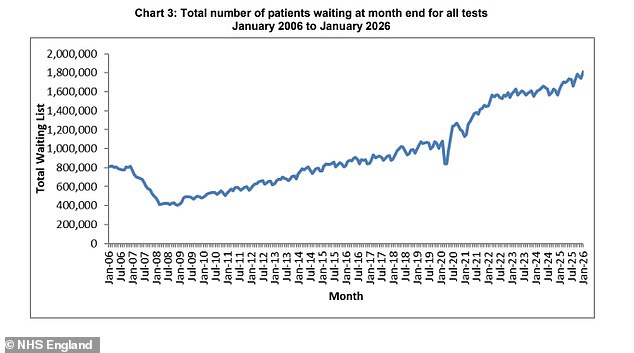
New figures emerging from the United Kingdom's National Health Service (NHS) reveal a significant escalation in waiting times for crucial diagnostic tests. In the past year, the number of patients awaiting these essential examinations has surged by a concerning 11.7 per cent. This rise translates to nearly 1.8 million individuals on waiting lists for tests such as MRI scans, CT scans, ultrasounds, endoscopies, and cardiac investigations by the end of January 2026. This represents an increase of approximately 190,000 patients compared to the figures from January 2025.
The implications of these extended waiting periods are profound, potentially delaying the timely diagnosis and commencement of treatment for serious and life-threatening conditions, including cancer and heart disease. The established NHS standard dictates that no more than one per cent of patients should endure a wait exceeding six weeks for a diagnostic test. However, the latest data indicates a stark deviation from this target, with around a quarter of patients – roughly 447,000 individuals – now waiting six weeks or longer for one of the 15 key diagnostic tests. This figure marks an increase of approximately 84,000 patients, or 2.3 per cent, compared to the same period last year.
Escalating Demand and Systemic Pressures
The mounting pressure on diagnostic services is symptomatic of broader challenges confronting the NHS. The health service is currently experiencing unprecedented demand across multiple fronts, with mental health services also reaching record levels. In January, the number of individuals in contact with NHS mental health services surpassed 2.2 million. This represents a notable increase from 2.04 million in January 2025 and a substantial jump from 1.39 million recorded in January 2020, highlighting a significant and sustained rise in the need for mental healthcare.
A Glimmer of Hope Amidst Challenges: Referral to Treatment Lists Decline
Despite the considerable strains on diagnostic and mental health services, there is a positive development concerning the overall referral to treatment (RTT) waiting list. This list, which tracks patients waiting for consultant-led treatment, has fallen to 7.25 million. This figure represents the lowest level observed in nearly three years, marking a reduction of 44,000 patients from the previous month and 180,000 fewer patients than in January 2025.
NHS England attributes this reduction to the dedicated efforts of its staff, even in the face of what has been described as the busiest winter on record. During this period, the NHS recorded over 9 million attendances at Accident & Emergency (A&E) departments and experienced record-breaking demand for ambulance services.
Expert Perspectives on the Waiting List Landscape
Healthcare leaders within the NHS have acknowledged these figures as evidence of progress in addressing the backlog of waiting patients. However, they also stress that "far more work remains to be done" to effectively reduce waiting times across the entire health service.
For patients, the experience of prolonged delays in diagnostic tests and subsequent treatment can be a source of immense uncertainty and anxiety. Brett Hill, Head of Health and Protection at independent financial consultancy Broadstone, commented on the dual nature of the recent statistics. He noted, "While the referral to treatment waiting list may be at its lowest level in three years, this positive trend masks a troubling reality. More people are waiting for diagnostic tests - effectively on a waiting list to get on the waiting list - while mental health services are in record demand."
Hill further emphasised the critical role of early intervention: "Early detection through preventative health services is increasingly important to prevent conditions from becoming chronic."
Cancer Targets Missed, Delays Compound Critical Illnesses
The concerning trends in diagnostic waiting times come in the wake of previous reports indicating that the NHS is falling short of key cancer targets. In some instances, patients have faced waits exceeding 104 days from referral to the commencement of treatment. The long-standing 62-day standard, which mandates that 85 per cent of patients should begin treatment within this timeframe, has been missed by almost all NHS trusts. The worst-performing hospitals have reported treating fewer than half of their patients within this stipulated period.
The delays in diagnostic tests directly exacerbate these already extended waits for cancer treatment. Such delays can have a detrimental impact on survival rates, diminish the effectiveness of certain treatments, and significantly increase the psychological burden on patients. It is important to note that the 85 per cent target for treatment within 62 days has not been met nationally by the NHS since 2014.
NHS Leadership Responds: Progress and Continued Commitment
Professor Meghana Pandit, NHS National Medical Director, expressed that the NHS was "ready to tackle winter head on this year." She highlighted that despite "record-breaking demand," staff have managed to deliver "the shortest winter waiting times for four years while waiting lists have continued to fall." Professor Pandit stated, "This is proof that the NHS is starting to turn a corner for patients - but we know the job is far from done."
She acknowledged the historical challenges, remarking, "For too long, too many patients have faced the indignity of being treated in hospital corridors." In response, she affirmed a "zero-tolerance approach" is being implemented, with hospital leaders actively working on the wards to ensure patients receive the dignity they deserve. Professor Pandit also extended her gratitude to the public for their support during the winter period, citing the "huge impact of the public getting vital winter jabs" as demonstrated by the latest figures.


No comments:
Post a Comment