
Scientists warn Yellowstone wolves could be approaching a crisis
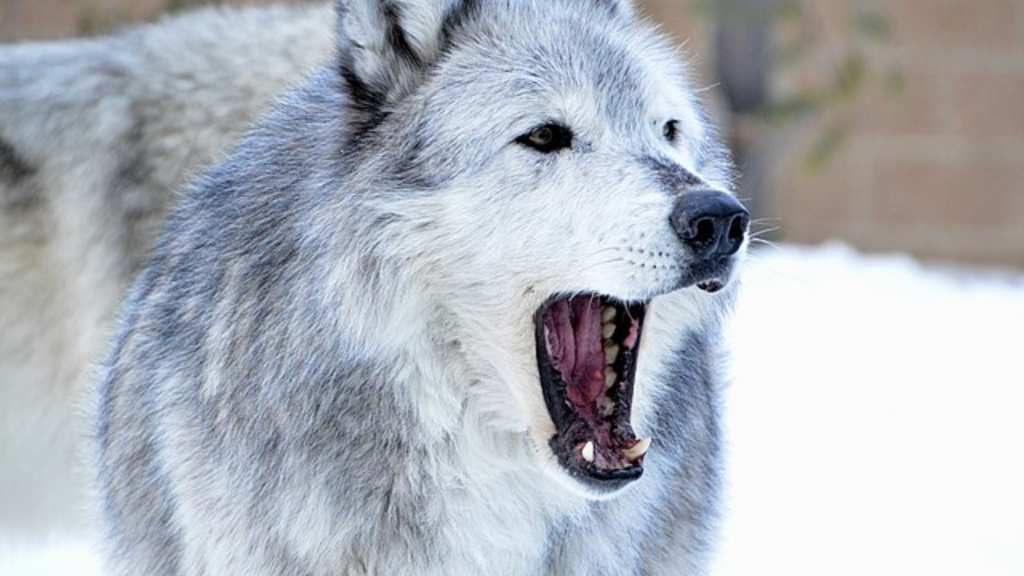
Scientists are raising alarms after a sharp and unexpected decline in wolf populations in Yellowstone National Park, a place long considered one of the greatest conservation success stories in the world. Recent data shows the park’s wolf population dropped significantly in just one year, from around 123 wolves to roughly 90, marking a steep decline of about 27%.
This drop has caught researchers’ attention because Yellowstone’s wolves have been carefully monitored for decades, ever since their reintroduction in the 1990s. These animals are not just predators, they play a critical role in maintaining balance across the ecosystem. A sudden population shift doesn’t just affect wolves; it can ripple through prey populations, vegetation, and even river systems, making the decline far more significant than it might appear at first glance.
Experts say this isn’t the result of a single issue, but rather a combination of pressures building at once. Disease, natural mortality, and conflicts between wolf packs are all contributing factors, but scientists believe a more subtle and “hidden” threat may be accelerating the problem, pushing the population closer to a potential tipping point.
The “Hidden Threat” Scientists Are Watching Closely
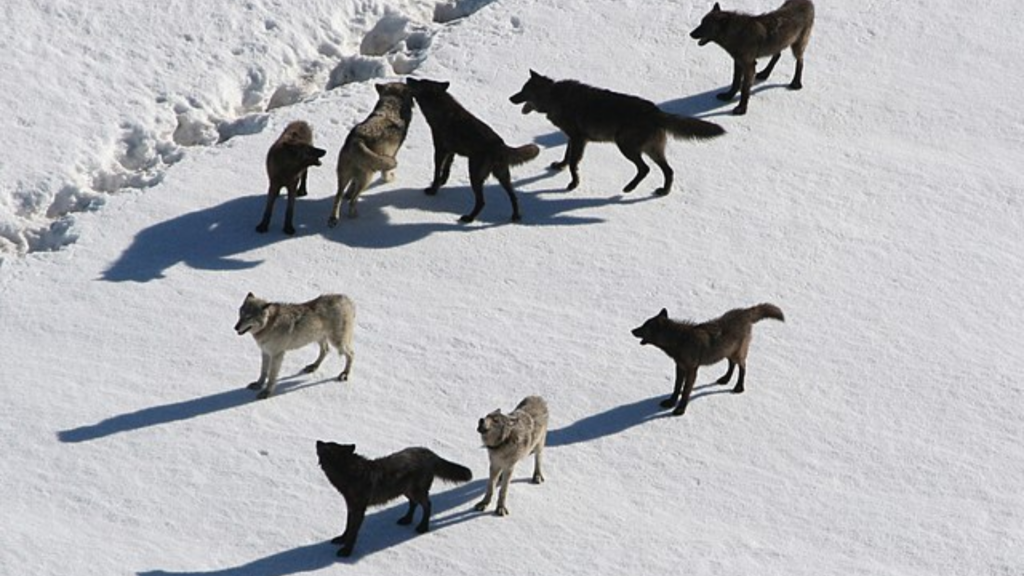
One of the biggest concerns is changing environmental conditions, particularly those tied to shifting climate patterns. These changes can affect prey availability, forcing wolves to adapt their hunting behavior and diet. Recent observations show noticeable shifts, with wolves relying less on elk and more on alternative prey like bison, an adjustment that may signal deeper ecological disruption.
When prey becomes harder to find or more difficult to hunt, wolves may expend more energy for less reward. This can weaken individuals, reduce reproduction rates, and increase mortality across packs. Combined with disease and competition between packs, these stressors can compound quickly, making it harder for populations to recover naturally.
Researchers are particularly concerned because these changes are harder to detect than direct threats like hunting or habitat loss. Instead, they unfold gradually, through altered ecosystems, shifting food chains, and subtle environmental stress, making them more dangerous over time. This is why scientists are increasingly referring to the situation as a “hidden threat” rather than a single identifiable cause.
Why This Decline Matters Beyond Wolves
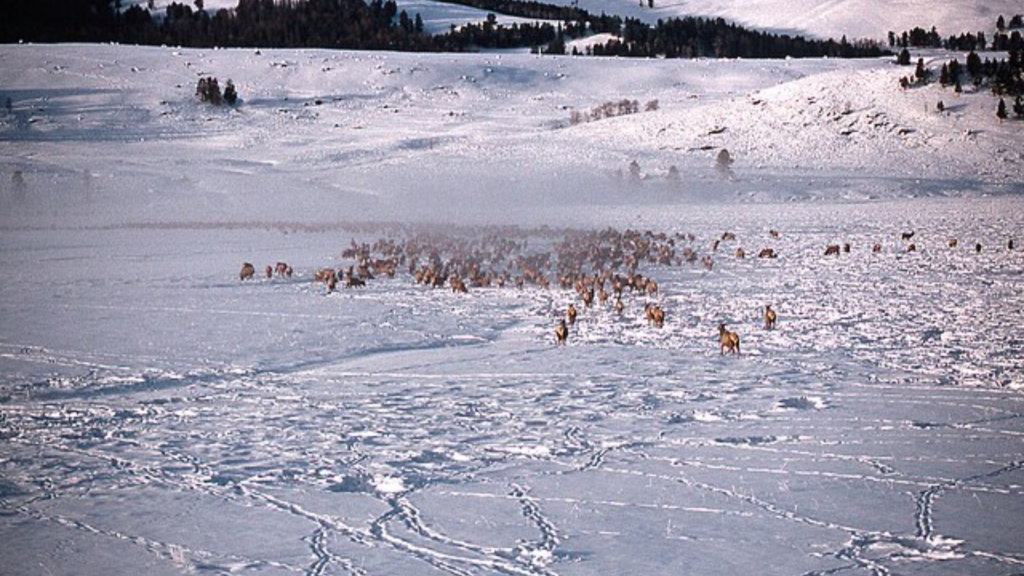
Wolves are considered a keystone species, meaning their presence has an outsized impact on the environment. When wolves were reintroduced to Yellowstone, they helped control elk populations, which in turn allowed vegetation like willow and aspen to recover. This chain reaction, known as a trophic cascade, benefited everything from birds to beavers and reshaped the entire ecosystem.
If wolf numbers continue to decline, scientists warn that these ecological gains could begin to reverse. Elk populations may increase again, leading to overgrazing and long-term damage to plant life. This could ultimately affect water systems, biodiversity, and even other predator species that depend on the balance wolves help maintain.
There’s also concern about long-term stability. Research shows that predator-prey systems can shift rapidly when key variables change, meaning even a relatively small population drop could trigger larger, harder-to-control consequences. For a system as closely studied and globally important as Yellowstone, that possibility is raising serious concern among scientists.
A Warning Sign Scientists Don’t Want Ignored
The decline in Yellowstone’s wolf population is more than just a statistics, it’s a warning sign that something in the ecosystem may be shifting. While fluctuations in wildlife populations are natural, the speed and scale of this drop have prompted scientists to take a closer look at underlying causes.
What makes the situation especially concerning is the complexity behind it. Instead of one clear threat, multiple factors, environmental changes, prey shifts, disease, and internal competition, are all interacting at once. This makes predicting what happens next more difficult, and potentially more dangerous if trends continue.
For now, researchers are continuing to monitor the population closely, hoping to better understand what’s driving the decline before it worsens. But the message is already clear: even one of the most successful wildlife recoveries in history is not immune to new and evolving threats.
Post a Comment for "Scientists warn Yellowstone wolves could be approaching a crisis"