
Ukraine Strikes Russia's Baltic Oil Hub
Ukraine Strikes Key Russian Oil Infrastructure; Defense Tech Sector Gains U.S. Investment
On March 23, Ukrainian forces launched significant strikes targeting Russia's vital oil export infrastructure and a major refinery, underscoring Ukraine's expanding capabilities in striking deep within Russian territory. Simultaneously, the Ukrainian defense technology sector secured a crucial investment from a joint U.S.-Ukraine fund, signaling continued international support for Ukraine's resilience and innovation.
Strikes on Russian Oil Facilities
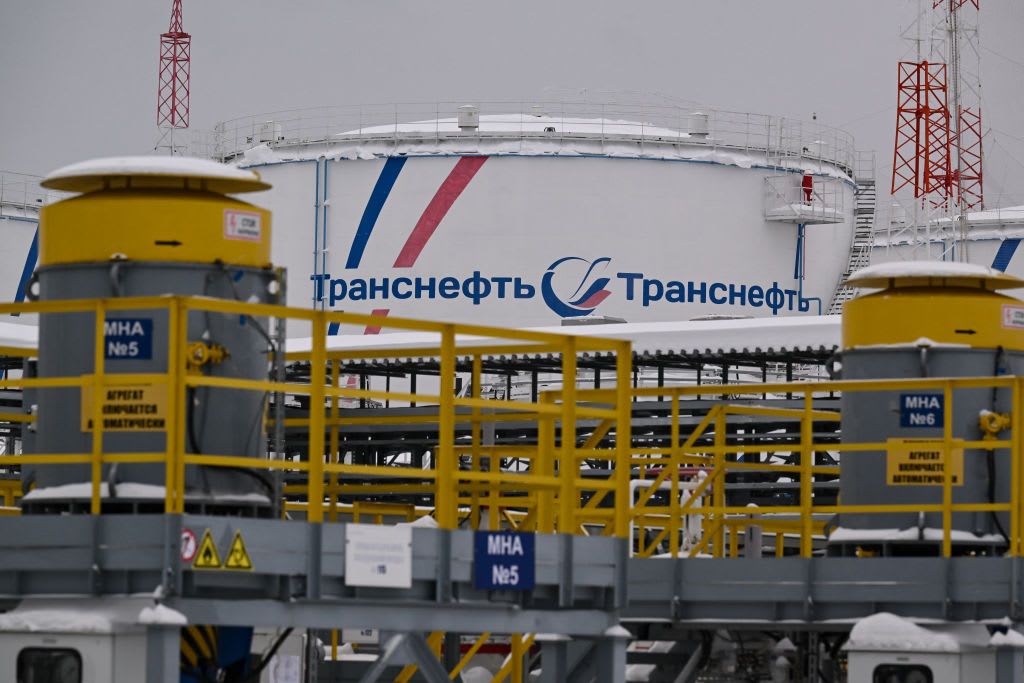
The General Staff of Ukraine confirmed that overnight operations on March 23 successfully targeted the Transneft oil terminal at the port of Primorsk in Leningrad Oblast and the Bashneft-Ufaneftekhim refinery in Ufa, Bashkortostan.
-
Primorsk Oil Terminal: This facility is a cornerstone of Russia's oil exports, handling approximately 60 million tons of oil annually and serving as its primary oil export hub on the Baltic Sea. The port is situated roughly 1,087 kilometers (675 miles) from Ukraine's closest border. Reports indicate that a fuel tank and oil-loading infrastructure were struck, igniting a fire. While local authorities initially reported damage to a single fuel tank, satellite imagery cited by Radio Free Europe/Radio Liberty suggested at least four tanks were ablaze.
-
Bashneft-Ufaneftekhim Refinery: Located about 1,400 kilometers (870 miles) from the Ukrainian border, this refinery, with an annual processing capacity of 6-8 million tons, also experienced a fire following the Ukrainian strike.
These targeted facilities are critical for the processing, storage, and transportation of fuel that underpins Russia's ongoing war effort in Ukraine. The full extent of the damage and its long-term impact on Russian energy exports are still being assessed. These deep strikes are increasingly making the war's realities felt within Russia.
U.S.-Ukraine Defense Tech Fund Makes Inaugural Investment
In a significant development for Ukraine's burgeoning defense technology sector, the U.S.-Ukraine Reconstruction Investment Fund has announced its first investment. This move comes just over a year after the fund's inception, which itself followed a high-profile diplomatic negotiation.
-
The Fund: Officially known as the U.S.-Ukraine Reconstruction Investment Fund, this initiative is a joint venture between the United States and Ukraine, designed to channel investment into strategic sectors of Ukraine's economy, including technology, energy, and minerals. The fund was established with seed capital of $75 million from each nation. For the first decade of its operation, all profits generated will be reinvested back into Ukraine's economy.
-
First Investment Recipient: The inaugural investment will support Sine Engineering, a Ukrainian company specializing in dual-use military technology. This deal marks a significant step for the fund, which plans to make two more investments this year. The formal announcement of the deal is expected this week by Ukraine and the U.S. Development Finance Corporation (DFC), which jointly manages the fund with Kyiv. DFC officials are currently in Kyiv to discuss the fund's operations with their Ukrainian counterparts. The exact value of the investment in Sine Engineering has not yet been disclosed.
-
Background of the Fund: The origins of the fund trace back to a contentious discussion regarding the potential use of Ukraine's natural resources, specifically "rare earth" minerals, as collateral for U.S. military aid. Early proposals drew criticism for potentially granting Washington excessive control over Ukraine's critical resources. However, the deal was ultimately restructured into a collaborative, private equity-style investment vehicle.
-
Sine Engineering: Based in Lviv, Sine Engineering was co-founded in 2022 by tech entrepreneur Andriy Chulyk, who currently serves as CEO. The company has rapidly grown from a small volunteer group to a team of 200 employees and recently received a NATO Innovation Range award. Sine Engineering has gained recognition for its innovative satellite-independent navigation software, which enables drones to operate without relying on GPS. This dual-use technology allows the company to export its products, a capability not widely available to other Ukrainian drone manufacturers due to export restrictions.
Ukraine Alleges Russian Intelligence Sharing with Iran
President Volodymyr Zelensky stated on March 23 that Ukraine possesses "irrefutable evidence" of Russia continuing to provide intelligence to Iran. This assertion was made following a meeting with Ukraine's top military intelligence leadership.
-
Nature of Intelligence: Zelensky indicated that Russia is leveraging its own capabilities in radio-technical and electronic intelligence, as well as intelligence shared by partners in the Middle East. He made these remarks via a Telegram post summarizing key points from his meeting with Oleh Ivashchenko, the head of Ukraine's Main Intelligence Directorate (HUR).
-
Geopolitical Context: Neither Russia nor Iran had publicly responded to Zelensky's allegations at the time of this report. The statement comes amidst heightened tensions in the Middle East and ongoing military operations involving the U.S. and Israel against Iran. Russia and Iran have demonstrably deepened their cooperation in recent years, particularly since Russia's full-scale invasion of Ukraine, with Iran supplying drones and other military hardware to Russian forces.
-
Previous Intelligence Diplomacy: Earlier in March, reports suggested that Russia had proposed halting intelligence-sharing with Iran in exchange for the United States doing the same for Ukraine. This proposal was reportedly rejected by the U.S.
-
Further Intelligence Reports: During the meeting with Ivashchenko, Zelensky also shared "clear information" that Russia intends to expand the deployment of ground control stations for long-range drones. These are reportedly planned for both Russian-occupied territories within Ukraine and four locations in Belarus. Zelensky has instructed Ivashchenko to brief Western allies on this intelligence.
Hungarian Officer Identified in Alleged Spy Network
Ukraine's Security Service (SBU) revealed on March 23 the identity of a Hungarian intelligence officer alleged to have orchestrated an espionage operation in the Zakarpattia Oblast, which was dismantled by Ukrainian authorities last year.
-
Alleged Operative: The SBU identified the individual as Zoltan Andre, a staff member of Hungary's military intelligence. He is accused of leading a network tasked with gathering intelligence on Ukraine's defense capabilities and the political landscape in the westernmost region of Ukraine.
-
Network Dismantled: Ukraine first announced the dismantling of this alleged spy network in May 2025, at which time two Ukrainian nationals were detained on suspicion of espionage for Hungary. This incident marked the first reported case of espionage between the two neighboring countries.
-
Network Objectives: The reported goals of the spy network included obtaining information on air defense systems and assessing how local residents might react to a potential Hungarian military presence in the region.
-
Diplomatic Fallout: The revelations at the time of the network's dismantling led to a diplomatic dispute between Ukraine and Hungary, resulting in reciprocal expulsions of diplomats. Although the SBU had identified the Hungarian officer overseeing the operation in 2025, his identity was not disclosed until now, coinciding with heightened rhetoric from Hungarian Prime Minister Viktor Orbán towards Kyiv during a domestic election campaign.
-
Andre's Intelligence History: According to the SBU, Zoltan Andre had previously conducted intelligence activities under diplomatic cover in Georgia from 2016 to 2020. In 2021, he reportedly began intelligence operations targeting Ukraine, focusing on recruiting individuals, primarily former or active military and law enforcement personnel. The SBU also claims Andre approached local residents who were seeking Hungarian citizenship, offering incentives in exchange for their cooperation. The Kyiv Independent has stated it could not immediately verify these claims.
-
Ongoing Investigation: The SBU stated that its counterintelligence units are continuing efforts to identify all members of the alleged Hungarian agent network operating against Ukraine.
-
Zakarpattia Region Significance: Zakarpattia Oblast is home to a significant ethnic Hungarian minority and holds strategic importance along NATO's eastern flank. Kyiv has previously accused Budapest of actions perceived as undermining Ukraine's sovereignty through political interference and dual citizenship policies. The SBU has also previously warned of Russian disinformation campaigns aimed at exacerbating tensions within the local Hungarian community and between Kyiv and Budapest.
Post a Comment for "Ukraine Strikes Russia's Baltic Oil Hub"