
Worries about global economic pain deepen as the war in Iran drags on
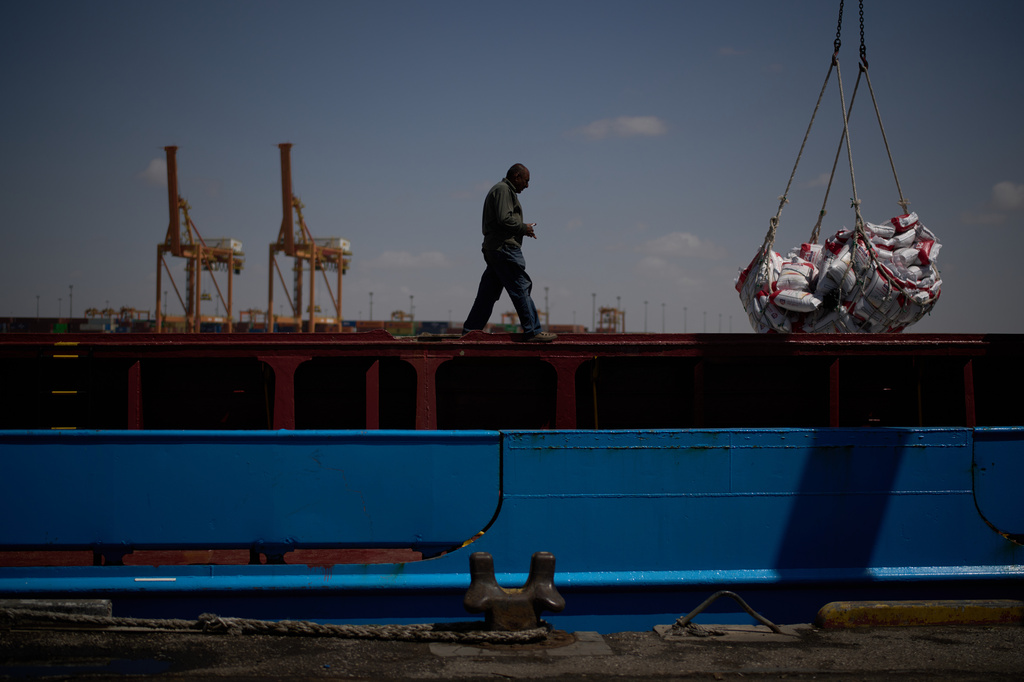 The escalating conflict in the Persian Gulf, involving targeted strikes on Iran and subsequent retaliatory actions, has sent significant shockwaves through the global economy. These attacks on critical energy infrastructure have not only driven up prices but have also cast a dark cloud over economic forecasts, causing global stock markets to falter and forcing developing nations to implement fuel rationing and energy subsidies to support their most vulnerable populations.
The ongoing exchange of strikes and counterstrikes on vital refineries, pipelines, gas fields, and tanker terminals in the Persian Gulf region poses a significant threat of prolonging global economic hardship for months, potentially even years.
Christopher Knittel, an energy economist at the Massachusetts Institute of Technology, commented on the situation: "A week ago, or certainly two weeks ago, I would have said: If the war stopped that day, the long-term implications would be pretty small. But what we’re seeing is infrastructure actually being destroyed, which means the ramifications of this war are going to be long-lived."
Devastation of Key Energy Assets
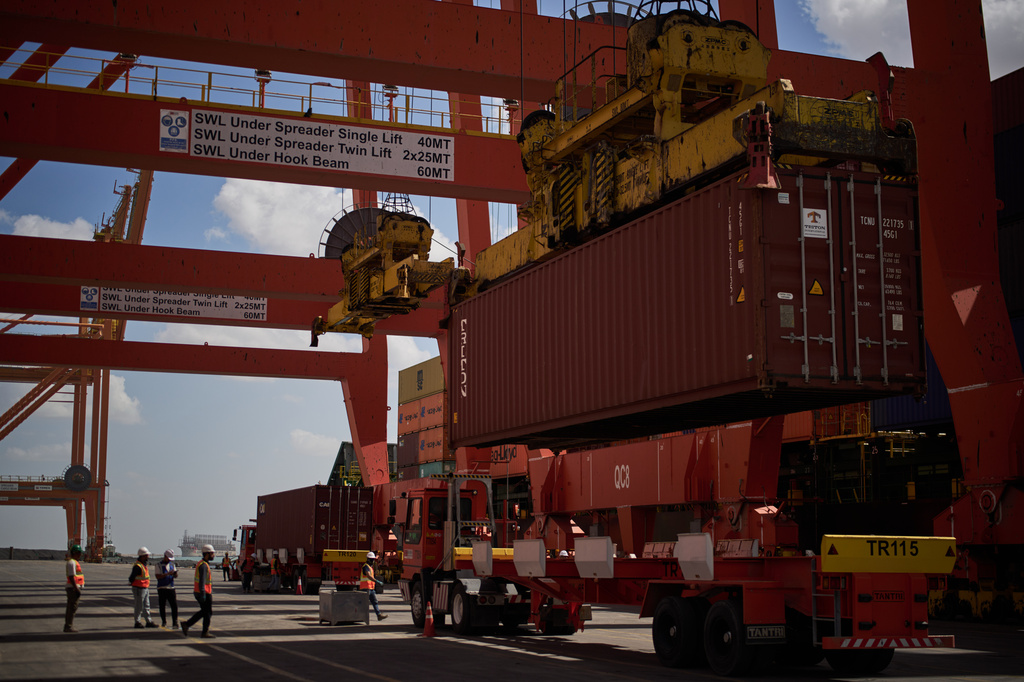 A particularly damaging blow was struck at Qatar's Ras Laffan natural gas terminal on March 18th. This facility is a cornerstone of global liquefied natural gas (LNG) supply, responsible for producing 20% of the world's LNG. The attack resulted in a substantial reduction of Qatar's LNG export capacity, an estimated 17%, with state-owned QatarEnergy indicating that repairs could take as long as five years. This sustained disruption to a critical LNG hub has far-reaching implications for energy markets worldwide.
The Oil Shock and Supply Disruptions
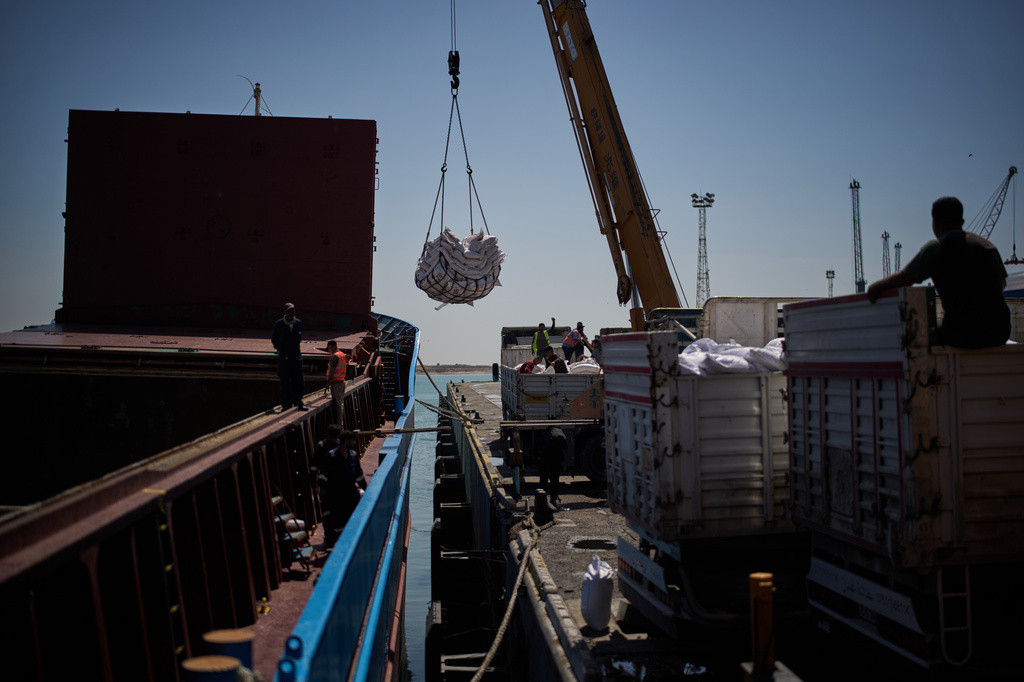 The conflict triggered an immediate oil shock from its inception. In response to attacks by the U.S. and Israel on February 28th, Iran effectively closed off the Strait of Hormuz. This vital waterway serves as a transit point for approximately one-fifth of the world's oil supply. Iran's threats against tankers attempting to navigate the strait made passage perilous.
This closure had a domino effect on Gulf oil exporters such as Kuwait and Iraq. They were forced to cut production as there was no viable route for their oil exports without access to the strait. The resulting loss of an estimated 20 million barrels of oil per day has been characterized by the International Energy Agency as the "largest supply disruption in the history of the global oil market."
Soaring Oil Prices and Recession Fears
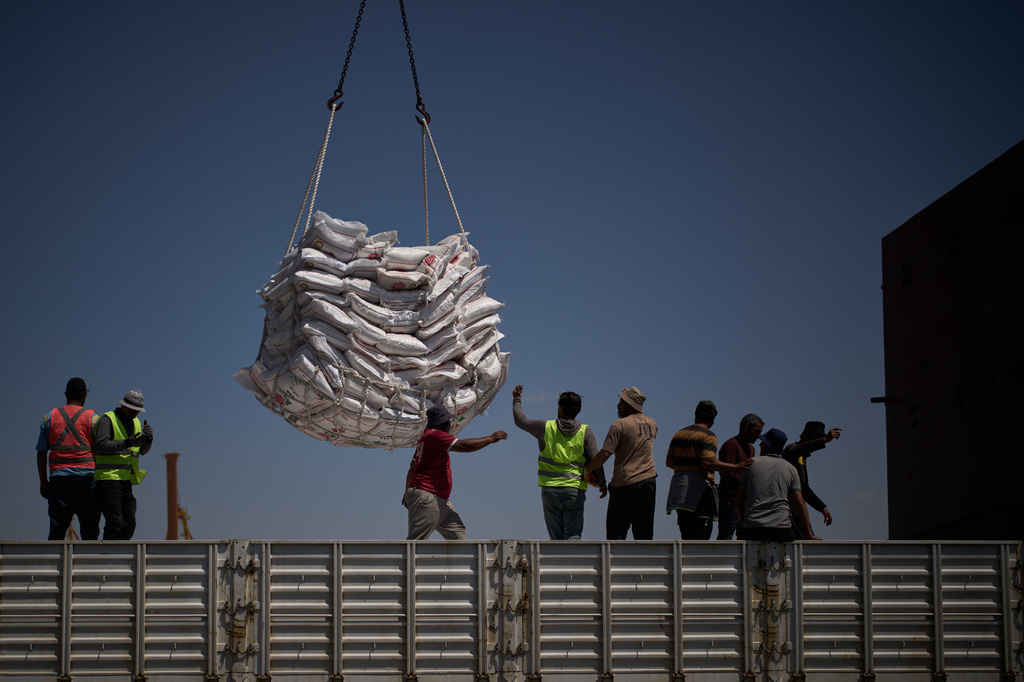 The impact on oil prices has been stark. On Friday, the price for a barrel of Brent crude oil climbed 3.4%, settling at $105.32. This represents a significant increase from the roughly $70 per barrel seen just before the conflict erupted. Benchmark U.S. crude also experienced a substantial rise, increasing by 5.5% to settle at $99.64 per barrel.
Knittel warned about the historical implications of such price surges: "Historically, oil price shocks like this have led to global recessions."
The current economic climate also brings back unsettling memories of the 1970s oil shocks, specifically the phenomenon of stagflation.
Carmen Reinhart, a professor at the Harvard Kennedy School and former World Bank chief economist, noted the elevated risks: "You’re raising the risk of higher inflation and lower growth."
Gita Gopinath, formerly the chief economist at the International Monetary Fund, recently highlighted the projected impact on global economic growth. Growth, which was anticipated to reach 3.3% this year before the conflict, could be reduced by 0.3 to 0.4 percentage points if oil prices average $85 a barrel through 2026.
Fertilizer Shortages and Price Hikes Impact Agriculture
The Persian Gulf region plays a crucial role in the global supply of essential fertilizers, accounting for a significant portion of exports. Specifically, it supplies about one-third of the world's urea and a quarter of its ammonia. Producers in this region benefit from advantageous access to low-cost natural gas, the primary feedstock for nitrogen-based fertilizers.
With up to 40% of global nitrogen fertilizer exports transiting through the Strait of Hormuz, its closure has had immediate consequences. Since the conflict began, urea prices have surged by 50%, and ammonia prices have risen by 20%. Commodity strategist Kelly Xu of Alpine Macro pointed out in a commentary that Brazil, a major agricultural producer, is particularly vulnerable due to its heavy reliance on fertilizer imports, sourcing 85% of its needs from abroad. Egypt, despite being a significant fertilizer producer itself, faces production challenges when its natural gas supply, essential for manufacturing, is insufficient.
The eventual outcome of these higher fertilizer prices is likely to be more expensive and less abundant food supplies. Farmers may reduce their fertilizer application, leading to lower crop yields. The strain on food availability will disproportionately affect families in less affluent countries.
Disruption to Helium Supplies
The conflict has also disrupted global supplies of helium, a valuable byproduct of natural gas extraction. Helium is a critical component in various high-tech industries, including chip manufacturing, rocket propulsion, and medical imaging. Qatar, at its Ras Laffan facility, is a major producer, supplying one-third of the world's helium. The disruption at this facility therefore has broad implications for these sectors.
Rationing Energy and Curtailing Consumption
Fatih Birol, the head of the International Energy Agency, issued a stark warning on March 23rd: "No country will be immune to the effects of this crisis if it continues to go in this direction."
The most severe consequences are expected to be felt by poorer nations, which will face the greatest energy shortages. Lutz Kilian, director of the Center for Energy and the Economy at the Federal Reserve Bank of Dallas, explained that these countries will struggle to compete for the dwindling remaining oil and natural gas supplies.
Asia is particularly exposed to the crisis, as more than 80% of the oil and LNG that passes through the Strait of Hormuz is destined for the continent.
In response to the energy crunch, some Asian nations have implemented austerity measures. In the Philippines, government offices are now operating on a four-day workweek, and employees are required to limit air conditioning to a maximum of 75°F (24°C). Similarly, public sector workers in Thailand have been advised to use the stairs instead of elevators.
India, the world's second-largest importer of liquefied petroleum gas (LPG), a common cooking fuel, is prioritizing household supply over industrial needs. The Indian government is absorbing most of the price increases to maintain affordability for low-income families. However, LPG shortages have forced some food establishments to reduce operating hours, temporarily close, or remove menu items that require significant energy for preparation, such as curries and deep-fried snacks.
South Korea, heavily reliant on energy imports, has introduced restrictions on car usage for public employees and has reinstated fuel price caps that were previously phased out in the 1990s.
Impact on the U.S. Economy
While the United States, the world's largest economy, is somewhat insulated from the direct energy supply shocks, it is not immune to the broader economic fallout. As an oil exporter, U.S. energy companies stand to benefit from higher global prices. Furthermore, domestic LNG prices remain lower in the U.S. compared to other regions due to its export liquefaction facilities operating at full capacity. This means that natural gas produced in the U.S. largely remains within the country, ensuring abundant domestic supplies and stable prices.
Nevertheless, rising gasoline prices are placing a strain on American consumers, who are already grappling with a high cost of living. According to AAA, the average price of a gallon of gasoline has climbed to nearly $4, up from $2.98 just a month prior.
Mark Zandi, chief economist at Moody's Analytics, and his colleagues observed in a commentary, "Nothing weighs more heavily on consumers’ collective psyche than having to pay more at the pump."
The U.S. economy was already exhibiting signs of weakness, with a modest annualized growth rate of just 0.7% recorded from October through December, a significant slowdown from the robust 4.4% growth seen in the preceding quarter. Job creation has also slowed unexpectedly, with employers cutting 92,000 jobs in February and adding a mere 9,700 jobs per month in 2025, marking the weakest hiring trend outside of a recession since 2002.
Gregory Daco, chief economist at EY-Parthenon, has consequently raised the probability of a U.S. recession within the next year to 40%, a substantial increase from the typical 15% risk during normal economic conditions.
A Protracted Recovery Ahead
The global economy has demonstrated resilience in the face of numerous recent shocks, including the COVID-19 pandemic, Russia's invasion of Ukraine, resurgent inflation, and the necessary high interest rates to curb it. Consequently, there was initial optimism that the global economy could also withstand the damage inflicted by the conflict in the Persian Gulf. However, these hopes are diminishing as the threats to the region's vital energy infrastructure persist.
Kilian of the Dallas Fed noted that "Some of the damage to LNG facilities in Qatar done will likely take years to repair," adding that repairs to refineries in countries like Kuwait and tankers in the Gulf, which require re-provisioning and restocking with marine fuel, will also be time-consuming. "The process of recovery will be slow even under the best circumstances."
Zandi and his colleagues concluded, "There is no economic upside to the conflict with Iran. At this point, the questions are how much longer the hostilities will continue and how much economic damage they will cause." The path to global economic recovery appears to be increasingly challenging and protracted.
Post a Comment for "Worries about global economic pain deepen as the war in Iran drags on"