
Alameda County Extends License Plate Reader Contract Amidst Public Debate
Alameda County's Board of Supervisors has approved a contract extension with Flock Safety, allowing the company to continue operating its network of automatic license plate readers (ALPRs) in the county's unincorporated areas. The decision, made by a 3-2 vote on Tuesday, extends the agreement, which had expired last summer, until July 1. This extension authorizes payment for services already rendered by Flock while the contract was in limbo, as well as for ongoing operations.
The county will now pay Flock an additional $303,600, on top of the $550,600 already owed. Supervisor David Haubert, who voted in favor of the extension, emphasized that the action was about settling a bill for services that had already been performed. He was joined in his vote by Supervisors Lena Tam and Nate Miley. Supervisors Nikki Fortunato Bas and Elisa Marquez voted against the proposal.
Sheriff Yesenia Sanchez requested the contract paydown and extension, highlighting the critical role of Flock cameras within her department's "Real Time Information Center" (RTIC). This center utilizes various cameras and drones to help deputies identify and respond to criminal activity more effectively. Sheriff's Sergeant Fenton Culley, who manages the RTIC, informed the supervisors that the ALPR technology has been instrumental in apprehending suspects in a wide array of cases, including murders, child abductions, and robberies. Culley also noted a significant impact on auto theft, reporting a roughly 57% decrease in such incidents since the county began using the cameras.
Both Culley and Sanchez stated that the Sheriff's Department has been working closely with Flock and the county's legal counsel to ensure strict compliance with state law. This legislation prohibits the sharing of data with external agencies, including federal immigration authorities and law enforcement in states where abortion is illegal, who might seek to use Flock data to track individuals accessing reproductive healthcare services. "I understand the responsibility that I have to make sure that our data is safeguarded," Sheriff Sanchez affirmed.
The Flock cameras are currently deployed across all of the county's incorporated cities. Sergeant Culley mentioned that he has presented information about the technology to various groups in unincorporated areas, and while concerns and questions are raised, the feedback received has been predominantly positive.
Public Opposition Dominates Board Meeting
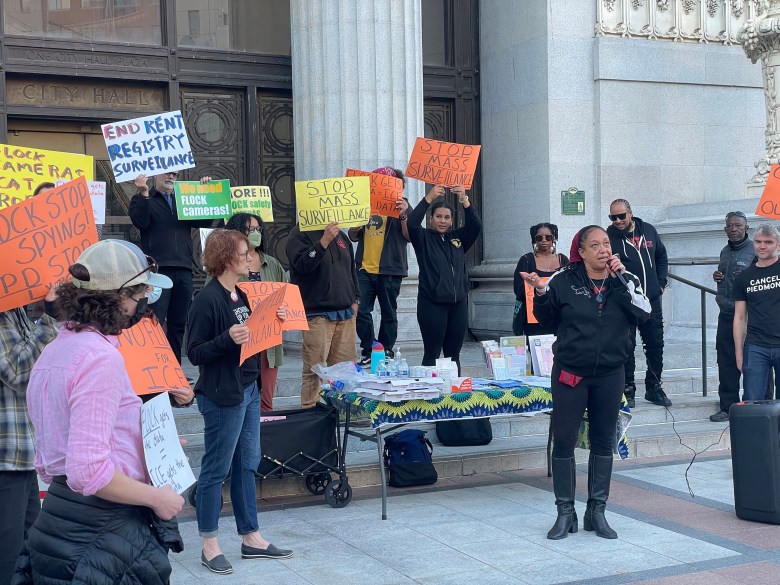
However, the atmosphere at the Board of Supervisors meeting on Tuesday was markedly different. Dozens of residents spoke, largely in opposition to the contract extension. Many voiced concerns about entrusting Flock Safety with sensitive data, citing the company's profit motive and a history of sharing information despite legal prohibitions. Speakers also expressed apprehension about the federal government's demonstrated willingness to access and utilize such data, sometimes with the assistance of local law enforcement agencies.
Valarie Bachelor, representing the Oakland office of the Alliance of Californians for Community Empowerment, warned of serious legal risks and threats to democracy posed by this data surveillance. "This data surveillance exposes the county to serious legal risks and it puts our democracy at risk," Bachelor stated. She further elaborated on the potential privacy implications, highlighting that the current contract allows Flock to access data worldwide. "That means information about me and my neighbors, where we travel, where we worship, where we seek health care, where we vote could be compromised and someone else from a different location can see it," she said, brandishing a letter signed by 40 local nonprofit organizations opposing the proposal.
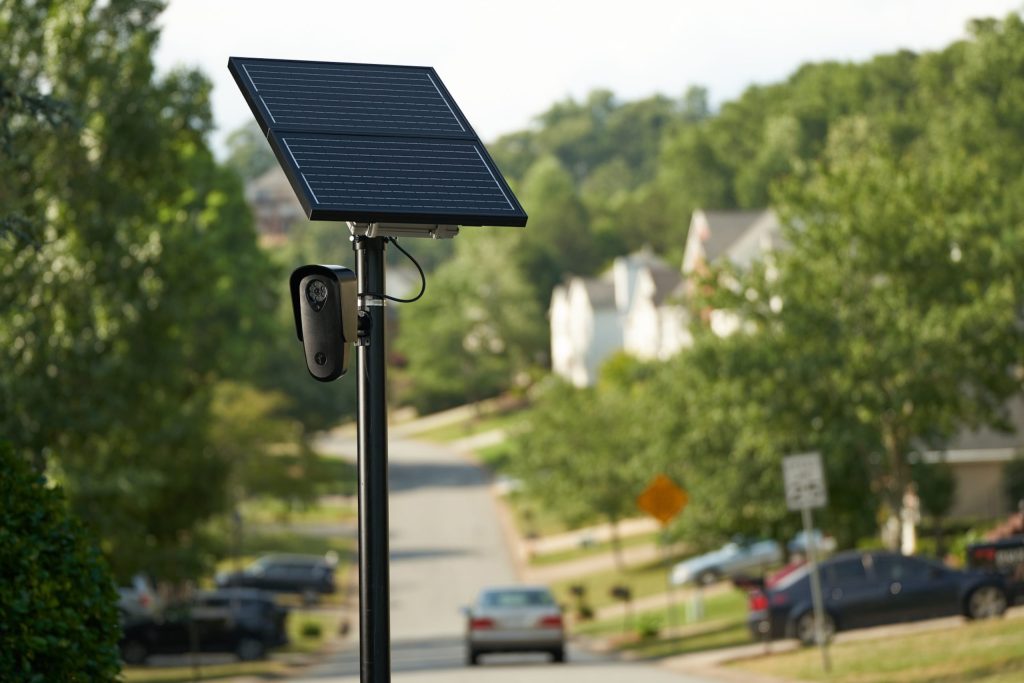
On the other hand, supporters of the technology included prominent local law-and-order advocates such as Edward Escobar, Brenda Grisham, and Tuan Ngo, as well as Oakland City Councilmember Noel Gallo. They argued that the technology primarily captures license plates and vehicle information, not personal identifiers like faces, and that access is tightly controlled by the Sheriff's Office. Brenda Grisham emphasized the need for such tools in light of limited police resources, stating, "We don't have enough police to be proactive. They can only be reactive. So we need the Flock cameras to help to find the families that are walking the streets, that have mental issues, we need them to find the young ladies that are being trafficked to other cities, and we need to just not make this political."
Supervisor Lena Tam acknowledged that she was not enthusiastic about the company itself but framed the vote as a necessary measure to settle an outstanding bill for services already received. Supervisor Nate Miley expressed his long-standing support for this type of technology, asserting that the Sheriff's Office is utilizing the cameras appropriately.
Supervisors Elisa Marquez and Nikki Fortunato Bas articulated their distrust of Flock Safety's commitment to data privacy and their concerns about potential government overreach. Fortunato Bas, who as President of the Oakland City Council previously supported Flock technology in her city, noted a significant shift in the national political and law enforcement climate, which she believes creates a greater risk of abuse. "I want to be very clear that while I support responsible use of technology, we are operating in a very, very different time under this administration," she stated.
Future of Contract Remains Unclear
Initially, the proposal was placed on the board's consent calendar, a section of the agenda typically reserved for routine items requiring little discussion. However, Supervisor Marquez pulled the item for a more in-depth debate. "I get the value of this, especially when it comes to search and rescue and just having drones, cameras, the technology," Marquez explained. "But what I don't trust is this specific vendor, and they have a proven track record of violating our trust. I also am not at liberty to discuss confidential briefings, but with the information that I've been briefed on, I'm very, very worried about our vulnerabilities and the risk factors."
Looking ahead, the Sheriff's Office may explore other vendors for similar ALPR services once the current extended contract with Flock expires. The county is expected to issue a request for proposals to foster a more competitive selection process. This would provide an opportunity for the Board of Supervisors to draft contract language that offers more robust protections against unauthorized data access by external entities.


No comments:
Post a Comment