
Aussie Flyers: PH Gov't Issues Urgent Travel Advisory
Australia Faces Potential Flight Cancellations Amidst Middle East Conflict and Soaring Fuel Costs
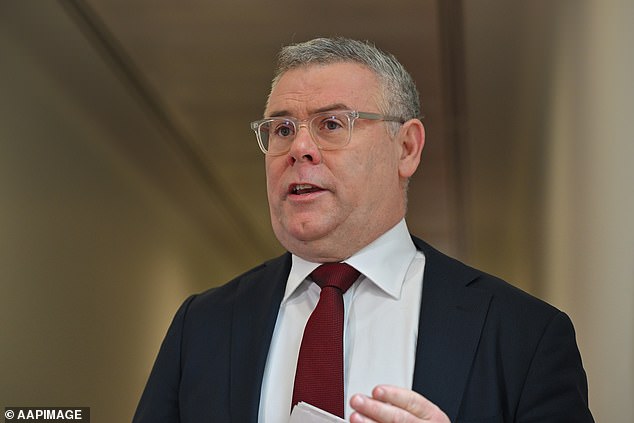
The ongoing conflict in the Middle East poses a significant threat to air travel in Australia, with the possibility of flight cancellations looming large as airlines grapple with fuel shortages and escalating operational expenses. Environment Minister Murray Watt has acknowledged that such disruptions "can't be ruled out" if the conflict persists, underscoring the precarious situation facing the aviation sector.
"We've already seen our domestic airlines make some changes around their flight routes," Minister Watt stated, explaining that these adjustments are, at least in part, a direct response to the global fuel shortage currently being experienced. This situation highlights the urgent need for a swift resolution to the conflict and the reopening of critical shipping lanes like the Strait of Hormuz. The longer the dispute continues, the more challenging it becomes for Australians and the global community to meet their fuel demands, with disruptions to global fuel networks inevitably leading to broader consequences.
Australia is currently operating under Level Two of its National Fuel Security Plan, a measure designed to ensure the smooth functioning of transport services. Should the situation escalate to Level Three, the allocation of fuel would be prioritized for essential industries such as agriculture, freight, and emergency services, accompanied by voluntary measures to curb fuel consumption. A further escalation to Level Four would see a centralized national system managing fuel distribution to guarantee supply for key users.
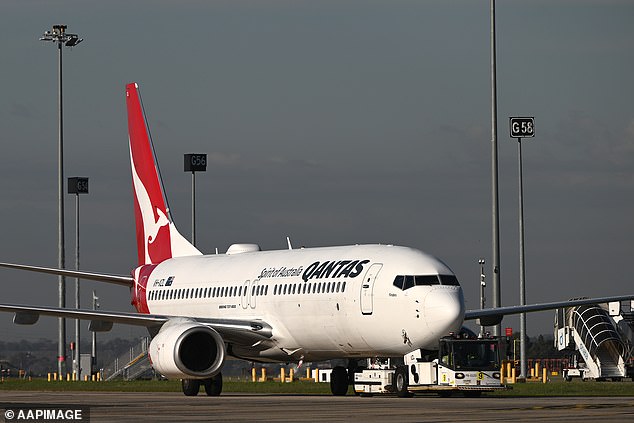
The stark reality of these challenges is already being felt by major Australian carriers. Both Qantas and Virgin Australia have announced plans to reduce their flight capacity and increase airfares in response to the sharp rise in fuel costs directly linked to the Middle East tensions. Virgin Australia, in a statement to the ASX, indicated that its operational settings for the second half of the 2025-26 financial year, including capacity, are under review due to ongoing volatility. While the airline affirmed that its short-term fuel supply remains secure, it issued a strong warning about the dramatic increase in prices. "The price of jet fuel has been extremely volatile and has more than doubled since the end of February 2026," the statement read.
Qantas echoed these concerns a day prior, unveiling similar strategies that include fare hikes, reductions in domestic flight capacity, and adjustments to its international network. The airline anticipates spending as much as $3.3 billion on jet fuel in the first half of the 2025-26 financial year, with price spikes associated with the Strait of Hormuz contributing an estimated $800 million to its costs.
Consequently, Qantas and its low-cost subsidiary Jetstar are set to reduce their domestic capacity by approximately five percent during May and June. This adjustment has already led to the suspension of several routes, impacting services to destinations such as Busselton from Sydney, and services to Hamilton Island, Coffs Harbour, Mount Gambier, and the Gold Coast.
Expert Insights on Aviation's Fuel Woes
Rico Merkert, a professor at the University of Sydney Business School, warned that airlines might be compelled to implement more extensive flight cancellations if the availability of jet fuel continues to tighten. "Jet fuel availability will emerge as a serious constraint, potentially forcing airlines to cancel flights more broadly," he told the Daily Mail. Professor Merkert further elaborated that if airlines are forced to cut international flights or suspend less viable regional services, they will need to recoup the resulting loss in cash flow elsewhere, likely through increased fares or further capacity reductions.
Broader Economic Repercussions and Geopolitical Tensions
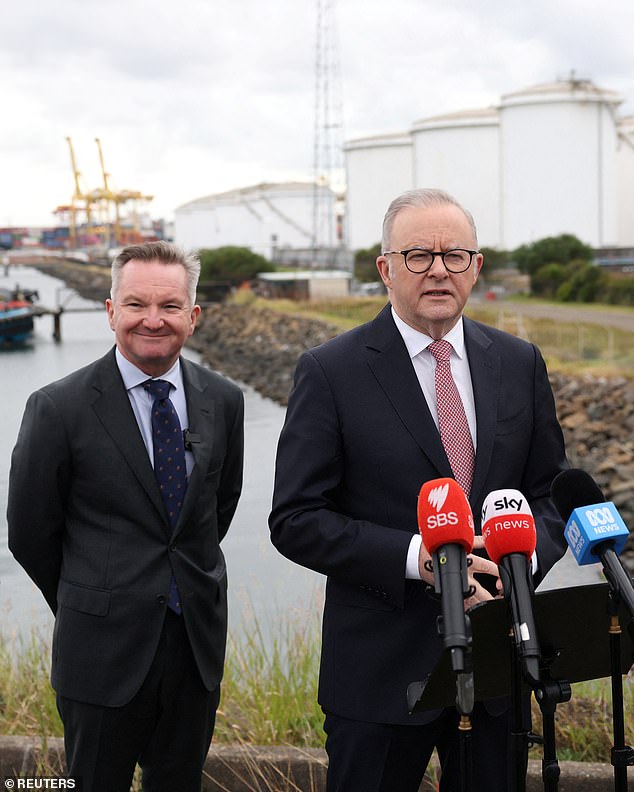
Prime Minister Anthony Albanese has cautioned that Australians will likely continue to experience the economic fallout from the conflict long after any peace agreement is reached. "There is significant volatility, that's clear," he stated, emphasizing the long lead times inherent in fuel supply chains, which often extend to 30 days or more. He pointed to infrastructure damage, shipping bottlenecks, and regional instability as key risk factors. The Prime Minister stressed that the government's focus is on controlling the nation's response, which includes securing supply, engaging in diplomatic efforts to support de-escalation, and ensuring national coordination.
Adding to the global uncertainty, U.S. President Donald Trump indicated in Washington that a two-week ceasefire with Iran, set to expire at midnight GMT on Wednesday, was "highly unlikely" to be renewed. "I'm not going to be rushed into making a bad deal," Trump stated in a phone interview with Bloomberg News. Following the collapse of peace negotiations between American and Iranian representatives a week prior, President Trump had previously declared that the U.S. Navy would prevent any ships from entering or leaving the Strait of Hormuz, a vital trade route that historically accounted for about one-fifth of global oil supplies.
This heightened tension comes as Iran has begun charging a toll for vessels transiting the Strait of Hormuz. President Trump has ordered the U.S. Navy to identify and intercept any ship that complies with this toll. "No one who pays an illegal toll will have safe passage on the high seas," he asserted, signalling a firm stance against what the U.S. deems an unlawful imposition.
Post a Comment for "Aussie Flyers: PH Gov't Issues Urgent Travel Advisory"