
Earth Day 2026: Pope Francis' 9 Calls to Protect Our Planet
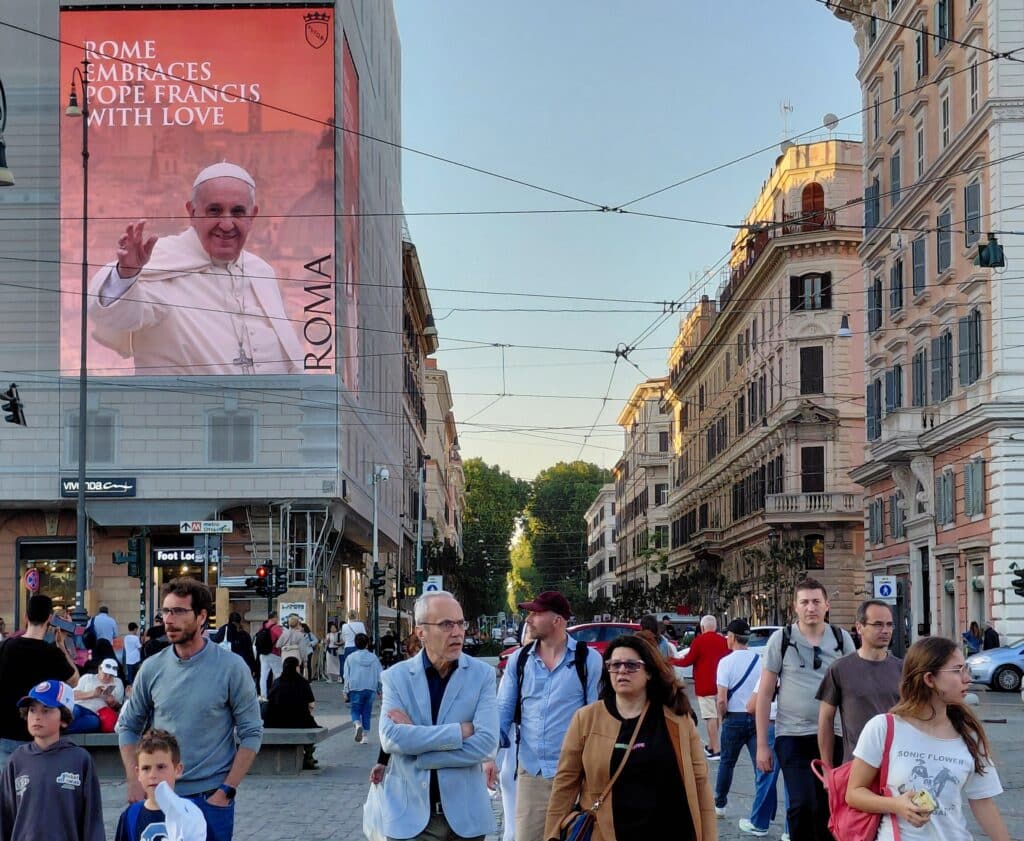 The late Pope Francis, who passed away on Easter Monday, April 21, 2025, a day before Earth Day, consistently urged humanity to embrace better stewardship of our planet, which he poignantly referred to as "our common home." Through his seminal papal encyclicals, Laudato Si' and Laudate Deum, he offered a profound, faith-rooted roadmap to navigate and overcome the escalating ecological crisis. As the world observes Earth Day, we reflect on nine vital inspirations for environmental action drawn from the late pontiff's teachings.
Confronting Obstructionism in Environmental Stewardship
Pope Francis keenly observed that many well-intentioned efforts to find concrete solutions to the environmental crisis have been hampered not only by powerful opposition but also by a pervasive lack of genuine interest. He noted that obstructionist attitudes, regrettably present even among believers, manifest in various forms: outright denial of the problem, indifferent resignation, or an overreliance on technological fixes. To truly address the crisis, he emphasized the urgent need for a "new and universal solidarity."
Prioritizing Future Generations in Resource Management
A critical aspect of environmental stewardship, according to the late Pope, lies in adopting a circular model of production. This approach would prioritize preserving resources for both present and future generations. It involves minimizing the reliance on non-renewable resources, moderating consumption patterns, maximizing the efficiency of resource use, and embracing reuse and recycling. He argued that a serious commitment to this principle is a vital countermeasure to the prevailing "throwaway culture" that has permeated the entire planet.
Moving Beyond Superficial Responses to Environmental Issues
Pope Francis expressed concern that many individuals and entities with significant economic or political power often focus on masking environmental problems or merely alleviating their symptoms. While some efforts are made to mitigate the negative impacts of climate change, he cautioned that these superficial measures fail to address the root causes. The persistent worsening of environmental symptoms, he warned, indicates that current production and consumption models are unsustainable and require fundamental change.
Addressing Water Inequality and Awareness
The pontiff highlighted the stark reality of water wastage, which occurs not only in developed nations but also in developing countries that possess abundant water resources. This disparity, he explained, points to a significant educational and cultural deficit. There is a profound lack of awareness regarding the seriousness of wasteful water practices, especially when viewed within the context of widespread global inequality.
Safeguarding Biodiversity Through Respect and Understanding
Recognizing the interconnectedness of all living beings, Pope Francis called for greater investment in research dedicated to a deeper understanding of ecosystem functions. He stressed the importance of adequately analyzing the variables associated with any significant environmental modification. Because all creatures are linked, he asserted, each must be cherished with love and respect, acknowledging our mutual dependence as living organisms.
Distinguishing Creation from Nature
The late Pope offered a theological perspective on the terms "nature" and "creation." He explained that in the Judaeo-Christian tradition, "creation" carries a broader significance than "nature." It encompasses God's loving plan, wherein every creature possesses intrinsic value and purpose. While nature is often viewed as a system to be studied, understood, and controlled, creation, he emphasized, should be understood as a gratuitous gift from the Creator, illuminated by a love that calls us into universal communion.
Rejecting Oversimplifications and Blaming the Vulnerable
Pope Francis strongly condemned the tendency to oversimplify complex environmental issues by unfairly placing blame on the poor. He criticized attempts to attribute environmental problems to the high birth rates of impoverished populations or, worse, to suggest harmful interventions like the mutilation of women in less developed countries. He underscored the reality that a small, affluent segment of the global population contributes disproportionately to pollution, with per capita emissions in wealthier nations far exceeding those of poorer ones. He questioned how one could overlook the fact that Africa, home to a significant portion of the world's poorest people, is responsible for a minimal fraction of historic emissions.
Critiquing the Technocratic Paradigm and Artificial Intelligence
The pontiff expressed reservations about the unchecked advancement of artificial intelligence and other technological innovations, particularly when they are premised on the idea of limitless human potential. He warned that this "technocratic paradigm" can become self-perpetuating and detrimental. While acknowledging that the natural resources required for technology are finite, he identified a more significant problem: the underlying ideology that fuels an obsession with exponentially increasing human power, viewing the non-human world merely as a resource to be exploited. In this mindset, everything that exists ceases to be a cherished gift and instead becomes subservient to human whims and capabilities.
Emphasizing the Collective Impact of Individual Actions
Pope Francis championed the idea that even seemingly small actions can contribute to significant societal transformations. He highlighted how efforts by households to reduce pollution and waste, coupled with prudent consumption habits, are instrumental in fostering a new culture. He noted that changes in personal, family, and community practices can galvanize greater concern about the unmet responsibilities of political sectors and foster indignation towards the indifference of those in power. While individual actions may not immediately yield large-scale quantitative effects, he affirmed that they are crucial in driving profound, bottom-up processes of change within society.
Post a Comment for "Earth Day 2026: Pope Francis' 9 Calls to Protect Our Planet"