
Europe's Jet Fuel Shortage: Your Summer Travel in Jeopardy
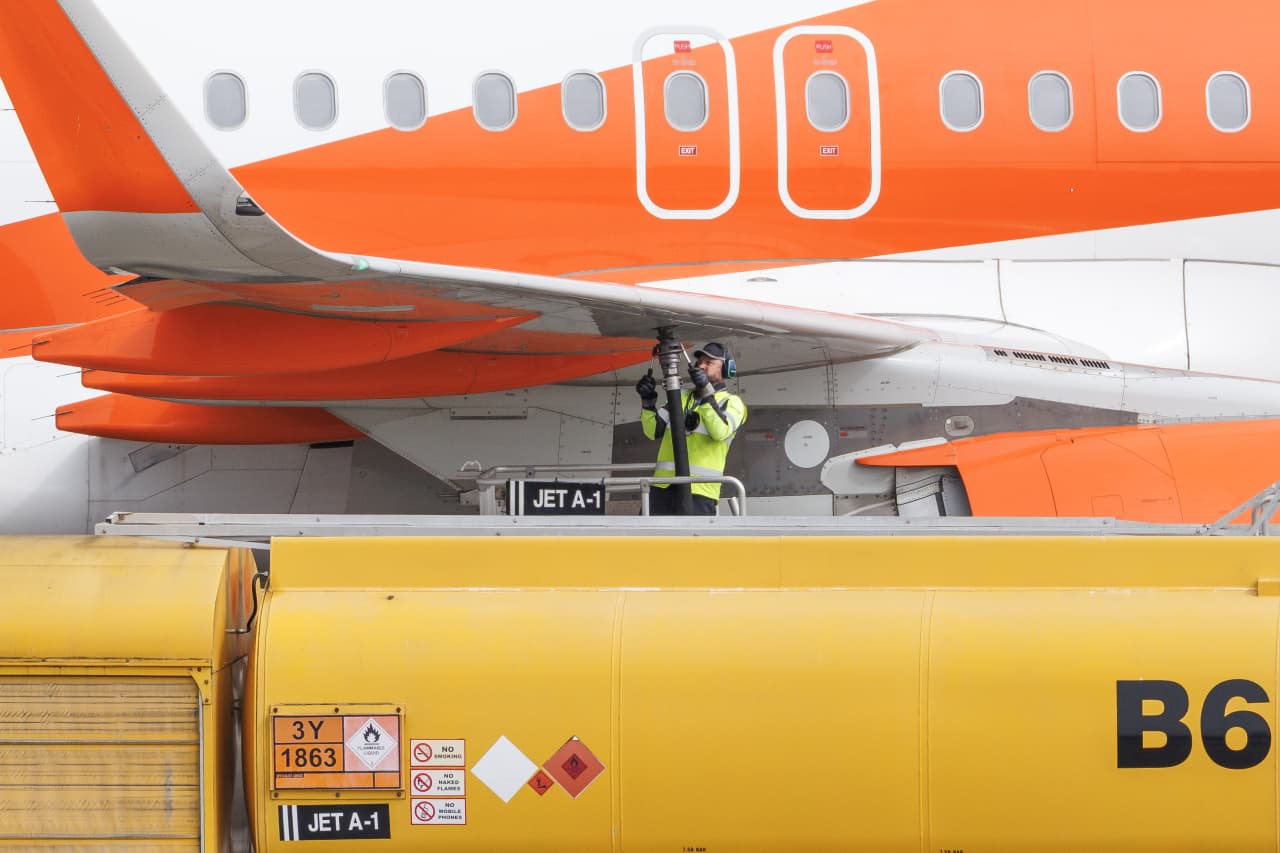 A critical shortage of jet fuel is forcing airlines to scale back flights, potentially leading to significant disruptions in summer travel, particularly across Europe. Major carriers are enacting significant schedule reductions in response to dwindling fuel supplies and escalating costs.
Airlines Slash Schedules Amidst Fuel Crisis
German airline giant Lufthansa has announced a substantial cut to its flight schedule, canceling approximately 20,000 flights between now and October. This translates to an immediate reduction of 120 flights daily from its operations. The impact is being felt across its key hubs, including Frankfurt, Munich, Zurich, Vienna, Brussels, and Rome.
Beyond Lufthansa, more than a dozen other airlines have also implemented capacity reductions. Notably, the low-cost carrier Norse Atlantic has reduced flights from Los Angeles. While American carriers are not facing an immediate threat of running out of fuel, they are also beginning to trim flight schedules to manage costs. Delta Air Lines, for instance, has reduced its projected capacity by 3.5 percentage points.
The War's Ripple Effect on Global Oil Markets
The root cause of this burgeoning jet fuel crisis is the ongoing conflict in Iran. The war has created widespread turmoil in the global oil market, with jet fuel emerging as a particularly acute pain point, especially for Europe.
Historically, the Middle East has been the world's primary exporter of jet fuel. However, the current geopolitical situation has severely restricted export routes. The Strait of Hormuz, a crucial maritime chokepoint, is effectively closed due to actions by Iran and a U.S. blockade. This has disrupted the flow of fuel, and alternative supply sources are also facing severe limitations. Middle Eastern producers are struggling to transport their crude oil to Asia, a region that typically refines this oil into jet fuel for export to Europe and other global destinations. Consequently, Asian nations, including China, are prioritizing domestic supply and suspending fuel exports.
Europe's Precarious Position
This confluence of factors places Europe in a particularly vulnerable position. Under normal circumstances, Europe consumes approximately 1.6 million barrels of jet fuel per day. The continent relies on imports for about one-third of this supply, with a significant 75% of those imports—roughly 375,000 barrels—originating from the Middle East. This vital supply line has now dwindled to a mere trickle.
The consequences are stark: jet fuel prices in Europe have already doubled since the conflict began. The global jet fuel export market is relatively small, at just 2 million barrels per day, making it challenging to quickly secure alternative sources to compensate for the shortfall.
Beyond Price: The Specter of Shortages
While the surge in prices presents a significant hurdle for airlines and travelers alike, the issue has escalated beyond mere cost. Actual shortages are now emerging. The International Energy Agency (IEA) estimates that Europe may have only about six weeks of jet fuel supply remaining.
Some analysts believe the situation is even more dire. David Doherty, a leading commodities analyst at BloombergNEF, explained that the shortage was not immediately apparent in the initial month of the war. This was due to the long transit times for tankers from the Middle East, which can take a month or more to reach Europe. Ships that departed before the conflict broke out continued to deliver supplies in the early stages.
“Now they’re no longer landing, and they’re no longer departing,” Doherty stated. He anticipates that with existing stored supplies, Europe could see its jet fuel reserves depleted within four to five weeks.
Scrambling for Alternatives
In response, Europe is actively seeking alternative suppliers and has increased imports from regions like Africa. The United States is also attempting to mitigate the shortfall, though its capacity is limited. According to data from the U.S. Energy Information Administration, the U.S. typically exports around 200,000 barrels of jet fuel daily. However, recent export volumes have surged closer to 400,000 barrels per day, reaching a record weekly average of 442,000 barrels earlier this month.
The elevated global prices are incentivizing refiners in less conventional locations to supply jet fuel to Europe. Denton Cinquegrana, chief oil analyst at OPIS, noted an exceptionally rare occurrence this month: a tanker departing from New York harbor bound for Europe.
However, U.S. jet fuel exports have been notably volatile on a week-to-week basis. Furthermore, the largest recipients of U.S. jet fuel exports are Canada and Mexico, meaning the available supply that can be diverted to Europe is finite.
Travelers' Outlook
For American travelers, the primary impact is likely to be higher ticket prices this summer. While the immediate risk of flight cancellations due to fuel shortages is lower within the U.S., the interconnectedness of global travel means disruptions can still be felt. As Doherty pointed out, "They’re good to fly, I suppose... unless it’s to Europe and you can’t refill on the way back, which is the whole issue." This highlights the potential for cascading effects on international itineraries.
Post a Comment for "Europe's Jet Fuel Shortage: Your Summer Travel in Jeopardy"