
Parole Board Hearing Looms for Killer of Wife, Robert Brown
A significant parole hearing is scheduled to take place next week for Robert Brown, the British Airways pilot who bludgeoned his wife, Joanna Simpson, to death with a claw hammer in their family home in Ascot, Berkshire, on Halloween 2010. Brown, now 61, is set to appear before the Parole Board, raising concerns among the victim's family about his potential release.
The brutal murder occurred after Ms Simpson, aged 46, had reportedly endured years of domestic abuse. The attack took place within earshot of their two young children, Alex and Kate, who were then 10 and nine years old, respectively. Following the horrific act, Brown dug a grave in Windsor Great Park and disposed of his wife's body.
Brown ultimately pleaded guilty to manslaughter on the grounds of diminished responsibility. He contended that he was suffering from a stress-related 'adjustment disorder' at the time of the killing, which he argued impaired his ability to control his actions.
Originally, the former airline captain was slated for automatic release in November 2023, having served half of his 26-year sentence. However, his release was halted when the former Justice Secretary, Alex Chalk, intervened and referred the case to the Parole Board for a comprehensive review.
The family of Joanna Simpson, with the support of Mr Chalk, had strongly advocated for the parole hearing to be conducted in public. Their request, however, was ultimately rejected. The hearing is therefore set to proceed behind closed doors on Thursday and Friday of next week.
Diana Parkes, Ms Simpson's mother, expressed her family's unwavering determination to "make sure this evil man stays behind bars." She and her family firmly believed that Brown should have faced a murder charge, citing what they perceived as the premeditated nature of the crime.
The events leading up to the tragedy are harrowing. Brown had arrived at the marital home to drop off his estranged wife's children after a half-term visit. It was during this visit that the attack unfolded inside the house, while the children were in a separate room.
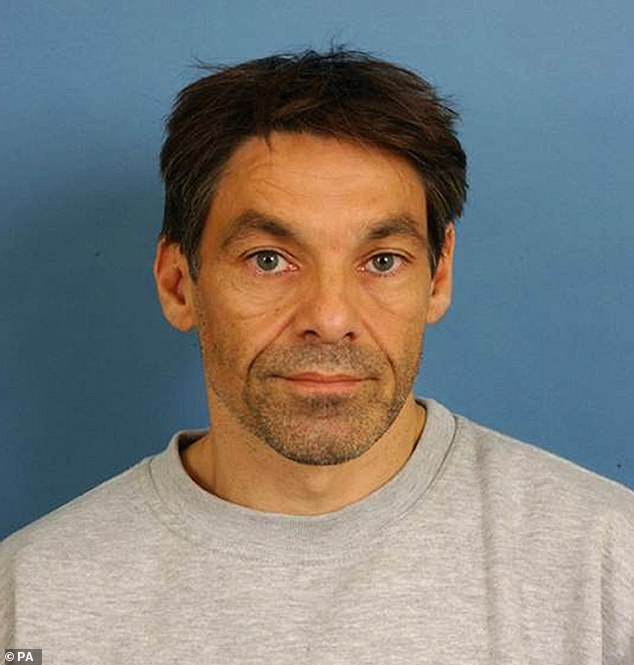

The violence was extreme. Brown struck Ms Simpson's head with a claw hammer an astonishing 14 times. He then proceeded to place her body into the boot of his Volvo. Nine-year-old Katie, who was present in the house at the time, later recounted hearing the sickening "banging" of the hammer blows.
Following the attack, Brown transported Ms Simpson's body to the pre-dug grave in Windsor Great Park. Upon his return to the house, he took steps to conceal his actions, including disconnecting the phone line and removing CCTV equipment. He then placed his children in his car and drove them to his new partner's residence. During this distressing journey, his son reportedly asked if he was "taking Mummy to hospital." Ms Simpson's body was not discovered until five days later.
At the time of his arrest and subsequent conviction, Brown maintained that the immense stress stemming from an acrimonious divorce, coupled with a feeling of being unfairly treated by a prenuptial agreement, had triggered a psychological and behavioural disturbance. This disturbance, he claimed, significantly compromised his capacity for self-control. He also pointed to a confluence of other personal stressors.
In a deeply moving testament to the trauma she endured, Katie, Brown's daughter, penned a letter to the trial judge. In it, she stated: "My father killed my mummy and I'm scared if he comes out of jail too soon he might come back and hurt me because I heard him killing my mummy. He is the most evilest man I have ever known and I wish he wasn't my father."
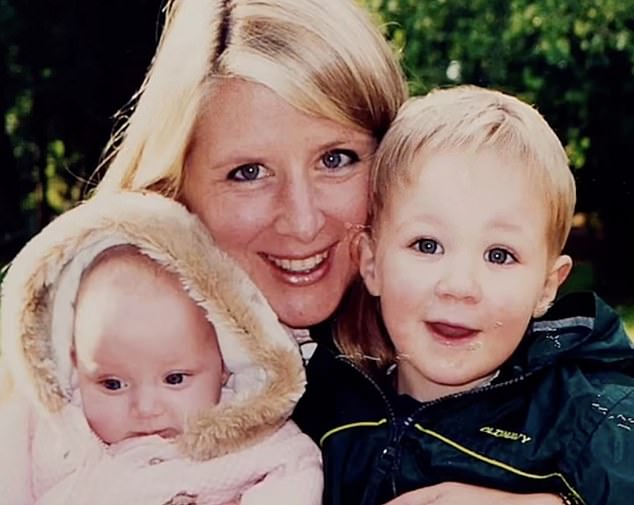

The decision to deny a public hearing was made by the Parole Board chairman, Sir John Saunders. He ruled that Brown's right to privacy, as protected under Article 8 of the European Convention on Human Rights (ECHR), took precedence over the public interest in an open hearing. Sir John indicated that a public hearing would infringe upon Brown's right to a private life and could potentially hinder his "ability to resettle in the community."
This decision has been met with profound disappointment and frustration by Ms Simpson's family. Diana Parkes articulated their feelings, stating, "We have given up all our rights to privacy to do everything that we can to make sure this evil man stays behind bars. Why should Brown get to keep his privacy? I truly hope the Parole Board can still see that Brown is a dangerous man and does not let him out. Sadly, everything seems to be in favour of the perpetrator. The safety of the victims is put below the safety of the offender."
Ms Parkes, along with Hetti Barkworth-Nanton, a close friend of Ms Simpson, expressed that Brown's potential release was "exactly as expected," highlighting a sense of foreboding and a perceived lack of justice.
The Simpson family has garnered significant support from various prominent figures, including Carrie Johnson, former justice secretary Sir Robert Buckland, and the late Baroness Newlove, who served as the former victims' commissioner for England and Wales. Their collective efforts underscore the gravity of the case and the ongoing fight for justice for Joanna Simpson and her children.


No comments:
Post a Comment