
Nutella: Expert Truths on the Beloved Spread
The Sweet Truth About Nutella: Navigating the Chocolate-Hazelnut Phenomenon
Nutella, the iconic chocolate and hazelnut spread, has cemented its place in kitchens worldwide. First introduced by Italian confectioner Ferrero in the 1960s, it has transcended borders and tastes, becoming a beloved staple. Annually, over 365,000 tonnes are consumed globally, a staggering amount that could fill nearly 150 Olympic-sized swimming pools. Its recent journey into outer space, spotted on NASA's Artemis II mission, further highlights its widespread appeal and cultural significance.
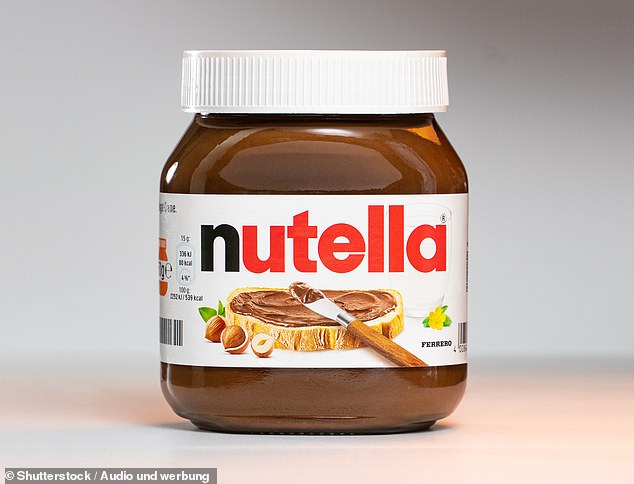
However, beneath the veneer of a simple "hazelnut spread" and the countless social media recipes it inspires, lies a more complex nutritional reality. With sugar constituting over half its composition and a significant portion of its fat derived from palm oil, experts suggest Nutella leans more towards confectionery than a health-conscious food. Yet, nutritionists maintain that, within a balanced dietary framework, it can still find a place. This exploration delves into Nutella's nutritional profile, its comparison to similar products, and strategies for enjoying it responsibly.
Decoding Nutella's Ingredients: What's Inside?
While marketed as a chocolate and hazelnut spread, the primary ingredient in Nutella is, surprisingly, sugar, accounting for 56 grams per 100 grams. This is closely followed by palm oil, which imparts its characteristic creamy, semi-solid texture at room temperature, enabling its smooth spreadability. Ferrero does not disclose the precise quantity of palm oil used, but given that Nutella contains 30.9 grams of fat per 100 grams, it is likely a substantial component.
The remaining ingredients include skimmed milk powder (8.7%), fat-reduced cocoa (7.4%), emulsifiers, and flavourings. Consequently, despite the prominent depiction of nuts on its packaging, Nutella's nutritional composition bears a closer resemblance to a milk chocolate bar than to products like peanut butter, which are typically composed of around 90% nuts.

Sugar Content: A Closer Look
Nutella recommends a serving size of 15 grams, approximately one heaped teaspoon. This portion contains about 80 calories, 4.6 grams of fat, and 8.4 grams of sugar. For perspective, a single Krispy Kreme Original Glazed doughnut contains roughly 10 grams of sugar, making a single spoonful of Nutella comparable in sugar content.
Health authorities advise adults to limit their daily intake of "free sugars" – those added to foods and beverages, as well as sugars naturally present in syrups and fruit juices – to no more than 30 grams. Just two spoonfuls of Nutella would push an individual well past half of this daily recommendation.
When compared to other common food items, Nutella's sugar content per 100 grams is similar to most commercial jams, which typically range from 50 to 60 grams of sugar, though jams are virtually fat-free. In relation to chocolate, most milk chocolate bars also contain approximately 55 grams of sugar per 100 grams, placing Nutella in a comparable sugar bracket.
Professor Gunter Kühne, Professor of Nutrition and Food Science at the University of Reading, highlights the challenge: "The problem with foods that contain this much sugar is that it's very easy to exceed the recommended 30g per day. High amounts of free sugar are known to have adverse effects on dental health and contribute to heart disease risk and obesity."

Will Eating Nutella Lead to Weight Gain?
Nutella falls into categories classified as high in both fat and sugar. Foods containing more than 17.5 grams of fat per 100 grams are considered high in fat, while those exceeding 22 grams of sugar per 100 grams are deemed high in sugar. Nutella surpasses both these thresholds.
This high sugar and fat content also makes Nutella highly calorie-dense, providing approximately 5.3 calories per gram. Any food with more than 4 calories per gram is considered energy-dense. For comparison, chocolate typically offers a similar calorie density, while pure fat contains about 9 calories per gram.
The regular consumption of foods that are high in fat, high in sugar, and energy-dense is associated with weight gain due to the substantial caloric intake delivered in relatively small portions.
However, Professor Kühne offers a nuanced perspective: "Nutella can be part of a healthy diet, as long as it is combined with other foods that contribute fibre, protein and complex carbohydrates. As long as you don't eat too much of it and otherwise eat foods low in sugar, it shouldn't be a problem."
He points out that foods like Nutella, which derive a significant portion of their energy from sugar and offer little fibre, are not very satiating. This can lead to feeling hungry again sooner, potentially increasing overall food consumption throughout the day and exceeding daily calorie recommendations, which generally stand at around 2,000 calories for women and 2,500 for men.
Portion Control: How Much is Too Much?
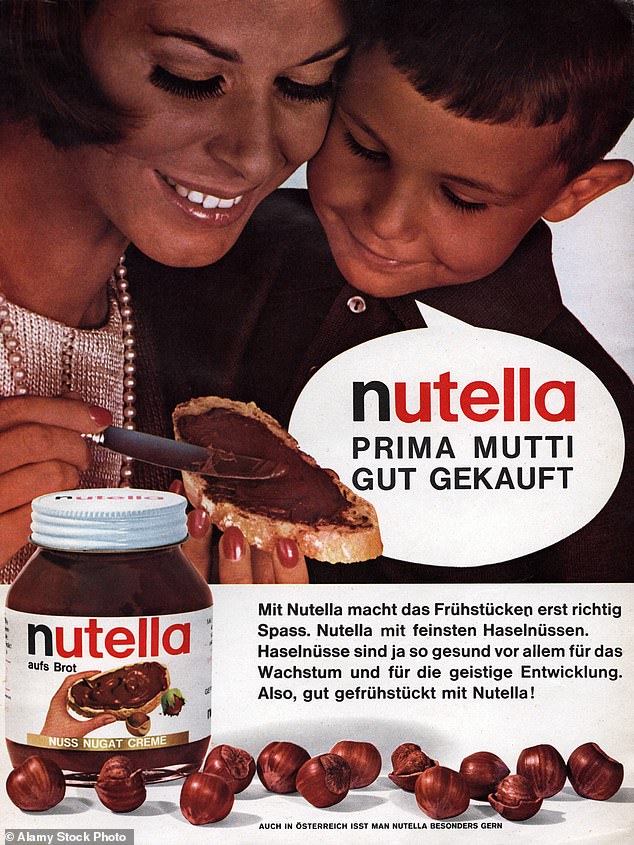
Historically, Nutella packaging suggested a serving size of two tablespoons, equating to approximately 37 grams. Around 2016, Ferrero successfully lobbied US regulators, specifically the Food and Drug Administration, to reclassify Nutella as a "spread" rather than a "dessert topping." This reclassification positioned it alongside products like peanut butter, rather than indulgent sauces.
Following this change, the recommended serving size was reduced to the current 15-gram portion, often marketed as a "happy portion," defined by the company as a heaped teaspoon. Ferrero contended that this adjustment better reflected typical consumer usage. Nutella is also available in convenient single-serve 15-gram packets.
Despite these efforts, research indicates that consumers often struggle to adhere to recommended portion sizes, frequently consuming more than intended. Professor Kühne notes, "From own experience, I think it would be very difficult to spread 15g satisfactorily on a slice of bread." He adds that what starts as one spoonful can easily become three, potentially pushing an individual close to the entire daily recommended sugar limit for adults.
The Palm Oil Debate and Safety Concerns
Nutella does indeed contain a significant amount of palm oil. As the second ingredient listed after sugar, it is presumed to constitute a large portion of the spread's fat content. Palm oil is rich in saturated fat, with Nutella containing 10.6 grams per 100 grams, or approximately 1.6 grams per 15-gram serving. Foods with more than 5 grams of saturated fat per 100 grams are classified as high in saturated fat.
Adults are advised to limit their daily intake of saturated fat to under 30 grams to help manage cholesterol levels and reduce the risk of heart disease. Professor Kühne comments, "One could consume more than 10 portions of Nutella and still remain below the recommended upper limit. But as with sugar, it depends a lot on other aspects of the diet."
Concerns have also been raised regarding palm oil when subjected to high-temperature refining processes, which can generate potentially harmful compounds. However, regulatory oversight ensures these compounds are managed and considered safe at typical consumption levels.
Nutella vs. Alternatives: A Nutritional Showdown
Nutella vs. Chocolate
The comparison of Nutella to chocolate depends heavily on the type of chocolate and the quantity consumed. Nutella's sugar content is broadly similar to that of milk chocolate, with both typically containing around 50-55 grams of sugar per 100 grams. For example, Cadbury's Dairy Milk contains approximately 56 grams of sugar per 100 grams, mirroring Nutella's profile. Dark chocolate, conversely, generally has a lower sugar content, often in the range of 30-40 grams per 100 grams, and is associated with compounds beneficial for heart health. The primary distinction lies in consumption patterns; while a few squares of chocolate might be consumed, spreads like Nutella are more prone to over-serving, making portion control more challenging.
Nutella vs. Peanut Butter
In most comparisons, peanut butter emerges as the more nutritionally favourable option. Many peanut butter varieties consist of over 90% peanuts. A 15-gram serving of a typical brand provides around 96 calories, nearly 8 grams of fat, and very minimal sugar, often less than 0.5 grams. The fat in peanuts is predominantly unsaturated, a type of fat linked to lower LDL cholesterol and reduced heart disease risk. While some peanut butters may contain palm oil for texture, it is usually in smaller quantities than in Nutella. Peanut butter is more energy-dense, with roughly 6-7 calories per gram, but this energy primarily originates from whole nuts. Crucially, peanut butter contains protein and fibre, nutrients largely absent in Nutella.
Dietitian Sophie Medlin, founder of CityDietitians, explains: "Eating peanut butter will help you feel fuller for longer – making you less likely to overeat." This satiety effect can aid in weight management. A significant cohort study published in BMJ Nutrition, Prevention & Health found that individuals who regularly consumed nuts experienced less weight gain over more than 20 years, a benefit not observed with Nutella. Professor Kühne reiterates that the presence of hazelnuts in Nutella does not offset its high sugar and fat content, emphasizing that "Sugar is the main ingredient in Nutella."

Nutella vs. Biscoff Spread
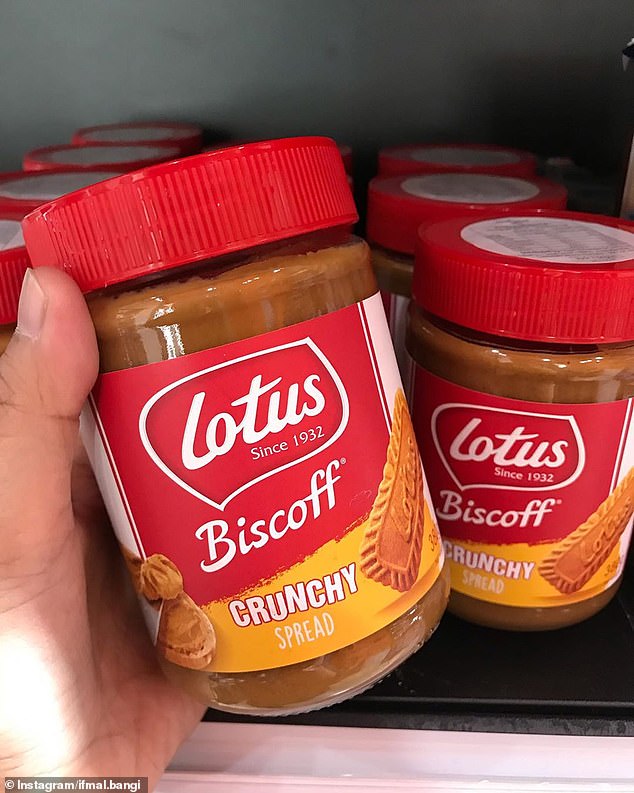
Despite its indulgent reputation, Lotus Biscoff spread contains approximately 36.8 grams of sugar per 100 grams, which is significantly less than Nutella's 56 grams. Biscoff spread is primarily made from crushed biscuits (around 58%), meaning a substantial portion of its carbohydrate content comes from refined wheat flour. Nevertheless, it remains a high-sugar, energy-dense food that can contribute to weight gain if consumed regularly.
Nutella's Vegan Counterpart: A Healthier Choice?
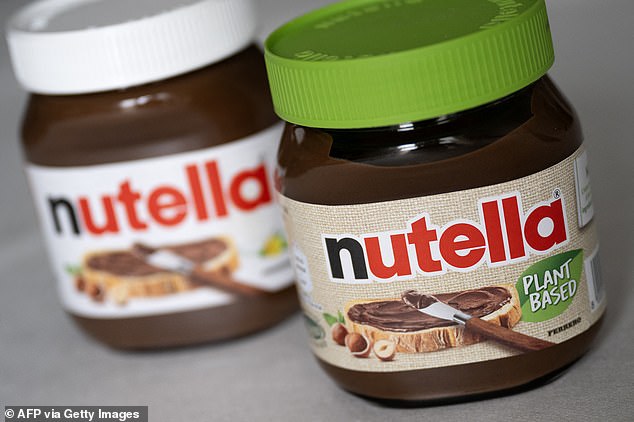
In 2024, Ferrero introduced Nutella Plant-Based, utilizing chickpeas and rice syrup to replace milk powder. The company stated this product was developed to cater to the growing demand for plant-based options while preserving the signature Nutella taste. Nutritionally, however, the differences are minimal. The plant-based version contains slightly less sugar (around 45 grams per 100 grams compared to 56 grams) but maintains similar levels of fat and calories. In practical terms, it is not a significantly healthier alternative but serves as a dairy-free option.
Who Should Exercise Caution with Nutella?
While most individuals can enjoy Nutella in moderation, certain groups should limit its consumption or approach it with greater caution. Due to its high sugar and low fibre and protein content, consuming Nutella on its own can lead to rapid spikes in blood glucose. Pairing it with foods rich in fibre and protein, such as wholemeal bread or yogurt, can help mitigate this effect, but it can still pose challenges for individuals managing diabetes or poor glucose control.
Those aiming for weight loss may also wish to limit Nutella due to its calorie density and ease of overconsumption. Similarly, individuals with high cholesterol or at risk of heart disease should be mindful of its relatively high saturated fat content, as diets rich in both sugar and saturated fat are linked to poorer cardiovascular health.
Experts also advise caution when offering Nutella regularly to children. Foods high in sugar but low in nutrients that promote satiety and stable energy can reinforce a preference for sweet tastes and contribute to excess calorie intake over time. And, naturally, as Nutella contains hazelnuts, it is unsuitable for individuals with nut allergies.
Seeking Healthier Alternatives
When searching for a healthier alternative to Nutella, the key differentiating factors are sugar content, nut concentration, and fibre. Products with a higher nut content, such as some artisanal chocolate hazelnut spreads that boast up to 60% nuts, tend to offer more protein and fibre and lower sugar levels. These are generally more satiating and have a less pronounced impact on blood sugar. In contrast, most mainstream chocolate spreads, including store brands, exhibit a nutritional profile very similar to Nutella, typically containing around 50 grams of sugar per 100 grams.
Some "healthier" options are marketed as low-sugar, often utilizing sweeteners as sugar substitutes. While these can reduce sugar intake, they may have other effects, such as digestive discomfort, if consumed excessively. Ultimately, the consensus among experts is that chocolate spreads are best enjoyed as occasional treats rather than everyday dietary staples.
Post a Comment for "Nutella: Expert Truths on the Beloved Spread"