
Iran War Ceasefire Fails as US and Israel Plan New Attacks
The Fragile Ceasefire Faces New Threats
The fragile ceasefire between Iran and its adversaries is under significant threat as both the United States and Israel are preparing for new military actions targeting Tehran’s military infrastructure. This development has raised concerns about the potential collapse of ongoing peace negotiations, which have reached a critical impasse. US President Donald Trump has issued warnings that "the clock is ticking" on Iran, signaling a possible escalation in hostilities.
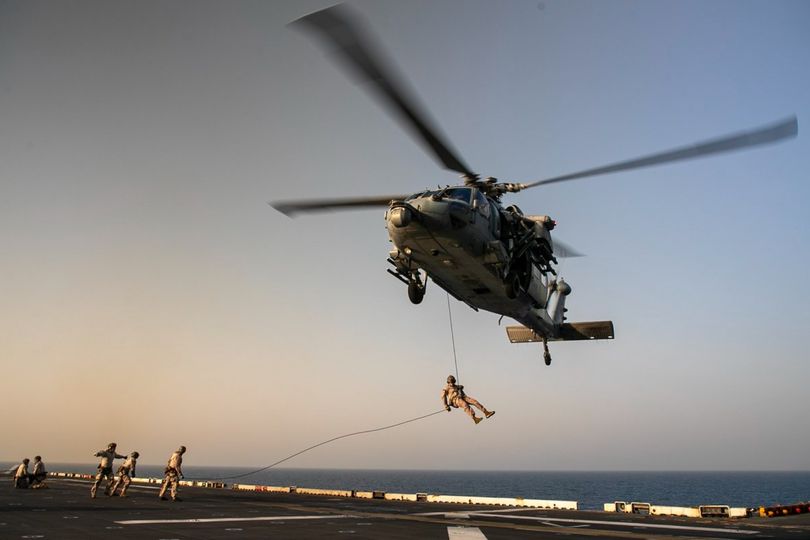
Preparations for fresh attacks across the Middle East are believed to have been underway for over a week, with the US military making preparations for a potential new conflict. According to sources, a large number of Boeing KC-135 Stratotanker refueling and transport aircraft were seen landing in Israel earlier in the week. These planes could be used to transport military equipment into the region or serve as refueling stations for warplanes conducting strikes against Iran.
• Putin's revenge as children injured in huge overnight strikes in Ukraine
• Russia and Iran using 'disposable' spooks to attack Europe including UK
Despite these developments, Iran is still considered capable of conducting attacks across the region for an extended period. Analysis suggests that much of Iran’s defensive and offensive capabilities remain intact, far more than previously assumed. Experts believe that Iran’s intelligence chiefs may already be engaging in “asymmetrical” warfare, operating below the threshold of overt attacks through covert military operations.
One assessment highlights that “Iran remains capable of conducting calibrated missile operations, maritime disruption activities, drone campaigns, and proxy-enabled attacks despite previous claims that its military posture had been decisively neutralized.” The retention of mobile launchers and missile stockpiles further strengthens Tehran’s ability to rapidly regenerate operational tempo should escalation resume. Additionally, it is noted that Iran’s strategic doctrine continues to favor asymmetric pressure rather than immediate conventional confrontation.
Regional reports about alleged Revolutionary Guard infiltration attempts against Kuwaiti territory reinforce the assessment that Tehran remains willing to employ covert operations to exert pressure while maintaining plausible deniability.
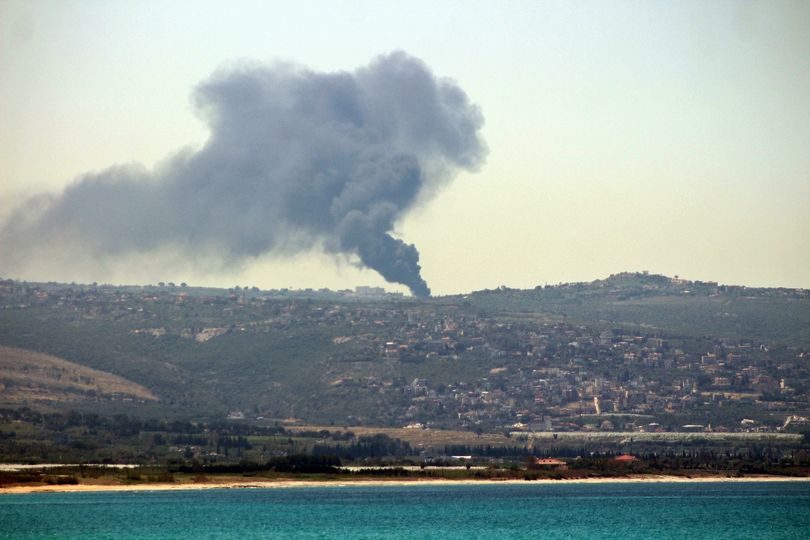
The stalling of the talks is believed to be due to Iran’s refusal to separate its proxy group, the Lebanese Hezbollah, from any peace settlement, as well as its inflexibility regarding nuclear ambitions. During the weekend, US President Donald Trump made a statement about Iran, saying, “They better get moving, fast, or there won't be anything left of them.” He emphasized that “time is of the essence.”
Iranian state media reported that Tehran’s demands include an immediate end to the war on all fronts, including Israeli attacks against Iran-supported Hezbollah in Lebanon. It also wants a halt to the US naval blockade of Iranian ports and guarantees of no further attacks on Iran in exchange for the re-opening of Hormuz. Iranian demands reportedly included compensation for war damage and an emphasis on Iranian sovereignty over the Strait of Hormuz.
Tehran claims that talks are ongoing via Pakistan, and it warns that a lack of US compromise would lead to an “impasse in the negotiations.” American demands include the re-opening of the Strait of Hormuz and that Iran would only keep one nuclear site in operation, while releasing its highly-enriched uranium to the US.
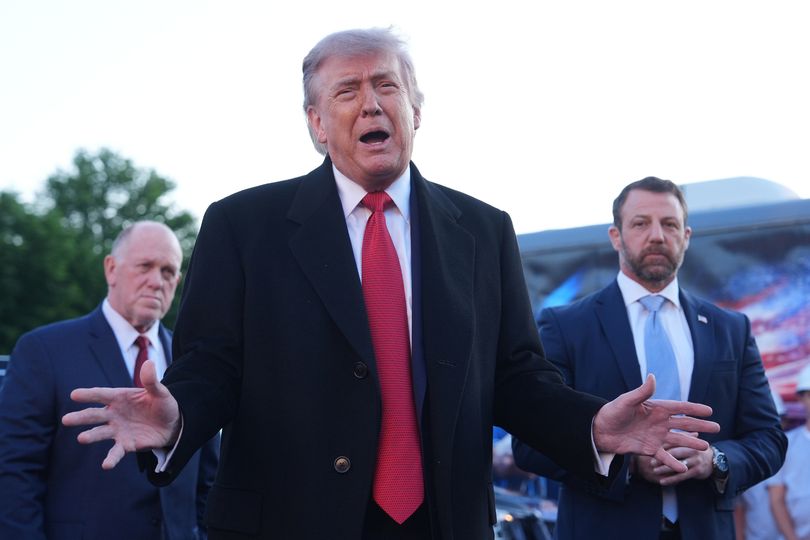
The president had previously warned that the ceasefire was on “massive life support” after rejecting Tehran’s demands, calling them “totally unacceptable.” Esmail Baghaei, an Iranian foreign ministry spokesperson, responded by stating that Tehran’s demands were “responsible” and “generous.”
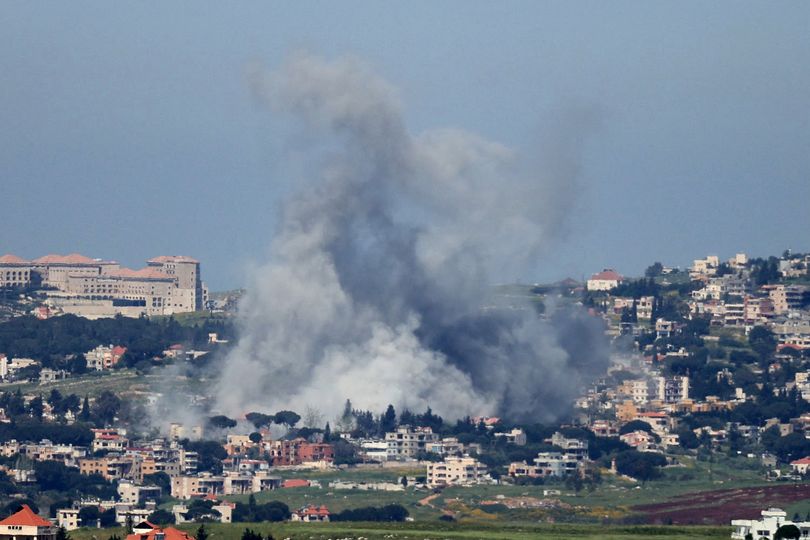
It is believed that in the latest exchange, US President Trump may have accepted a 20-year suspension of Iran’s nuclear program. This appears to be a shift from his original stance that there must be a total end to Iran’s nuclear program.
The conflict began on February 28 with major air-strikes conducted in a joint operation between the US and Israel against Iranian regime figures and military installations. In response, Iran launched attacks on Israel and also through its Hezbollah proxy forces in Lebanon, prompting extensive air strikes across the region.
However, Iran has continued to maintain control over the Strait of Hormuz, through which around 20% of the world's oil and liquefied natural gas travels. This has led to a surge in global oil prices, and the US has enforced its own blockade of Iranian ports in an attempt to make Tehran accept its terms.
Post a Comment for "Iran War Ceasefire Fails as US and Israel Plan New Attacks"