
Midterms near, some Republicans consider leaving Congress
The GOP's Strategic Shift: From Washington to State Capitals
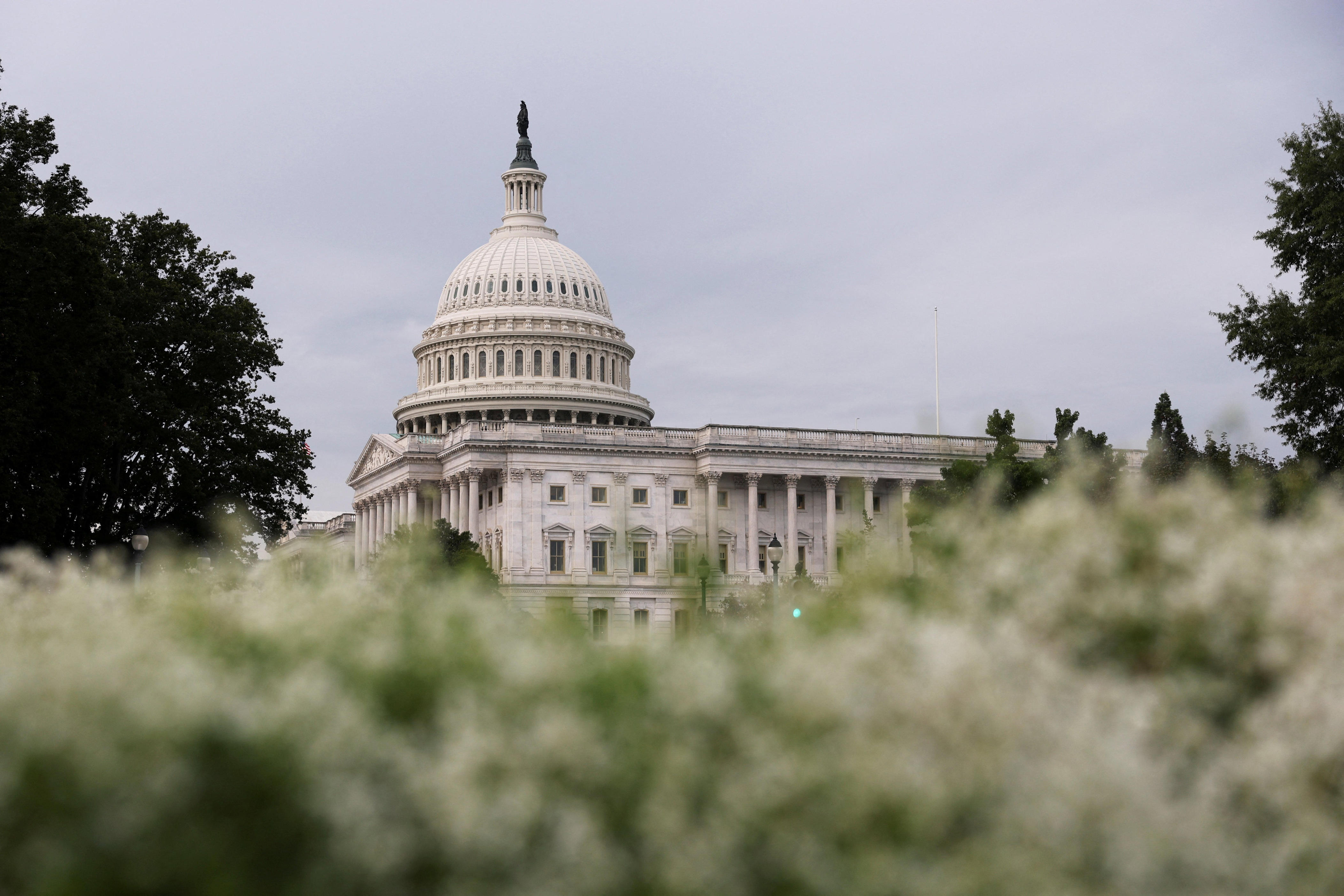
In the heart of Washington, D.C., the Republican Party holds a powerful position. The White House, Congress, and the Supreme Court are all under conservative control, which, in theory, should make it a dream scenario for the party. However, the reality is more complex. Internal party conflicts, rising gas prices, and a divisive war in Iran could pose significant challenges for Republicans as they head into the upcoming midterm elections.
As November approaches, some Republican lawmakers are considering leaving Capitol Hill altogether. According to Ballotpedia, twelve GOP lawmakers in both chambers are running for governor in their home states, an unusually high number. Of these, all ten members of the House of Representatives seeking state office are Republicans. This trend reflects a broader pattern where Washington politicians are increasingly looking toward state politics.
Republican Infighting and the Impact on Trump’s Agenda
The internal struggles within the GOP have slowed down President Donald Trump's agenda as midterms draw near. At the same time, recent national trends—such as redistricting battles and court challenges from both blue and red states in response to policies from Trump and Biden—have highlighted the growing influence of state governments.
Rep. Andy Biggs, a Republican congressman running for Arizona's governor, emphasized the importance of having "battle-tested conservatives" in state offices to hold the line back home. He believes that as more serious policy fights occur at the state level, it's crucial to have strong leaders who can protect conservative values.
The State of Gubernatorial Races
Despite some gerrymandering losses, Democrats remain favored to take back the House. Meanwhile, 36 governors' races will be on the ballot this year. Sabato's Crystal Ball, a nonpartisan election forecast from the University of Virginia, has recently shifted six of those contests, including Arizona, in favor of Democrats. Some of the toss-up states include Wisconsin, Michigan, and Georgia.
However, since the 1994 red wave, Republicans have mostly maintained a numerical edge in governorships. They currently control 26 states compared to Democrats' 24. Pollsters suggest that this trend could mean the GOP maintains a slight upper hand in state capitals heading into the fall.
Montana Governor Leading the GOP's Strategy
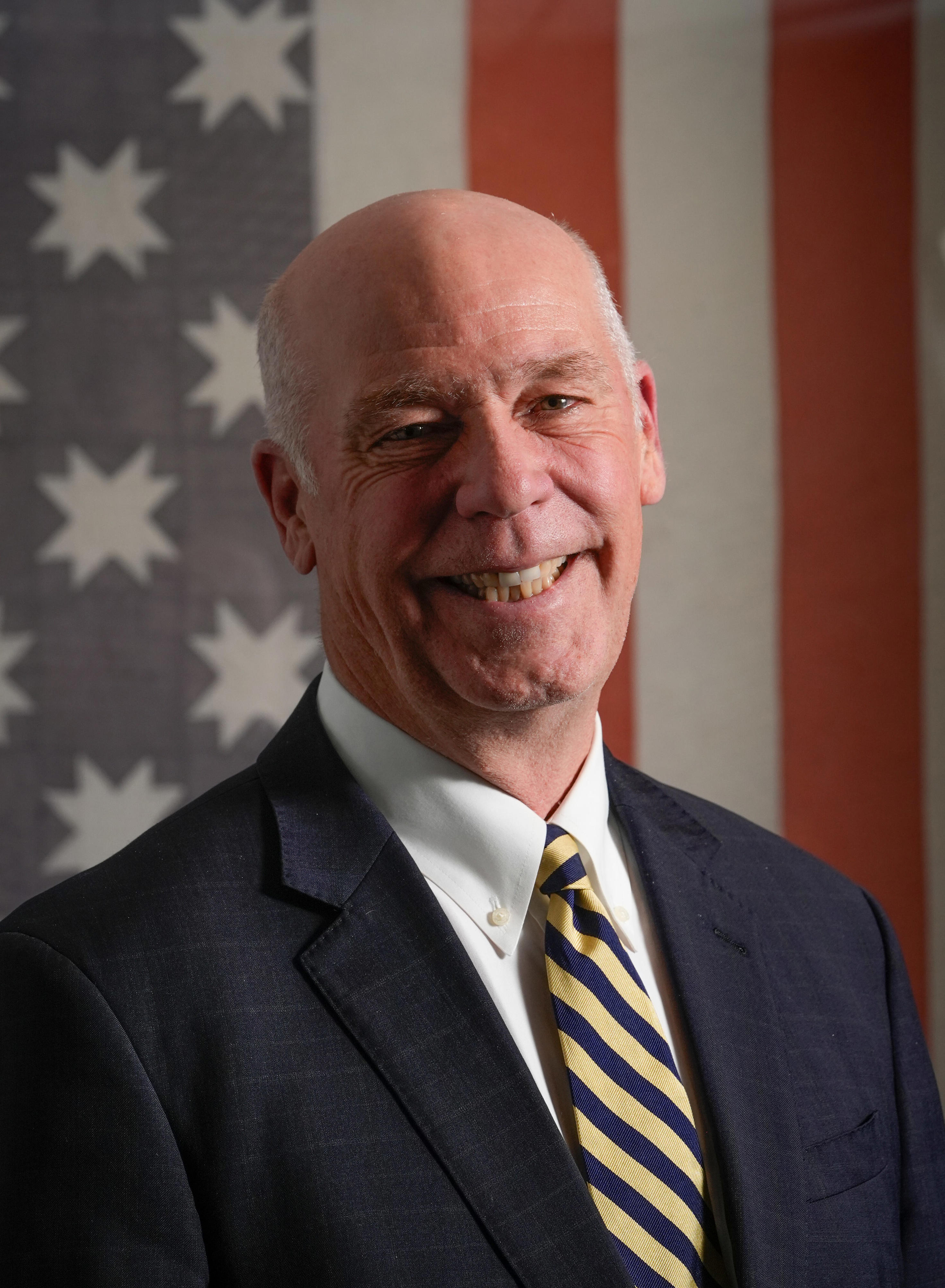
Greg Gianforte, the two-term Montana governor and chair of the Republican Governors Association, is at the forefront of the GOP's effort to secure more state governorships. Gianforte, who previously served as a congressman, understands the challenges of passing laws in Washington. He believes that while much policymaking still happens in the federal government, the impact of those decisions is felt most strongly at the state level.
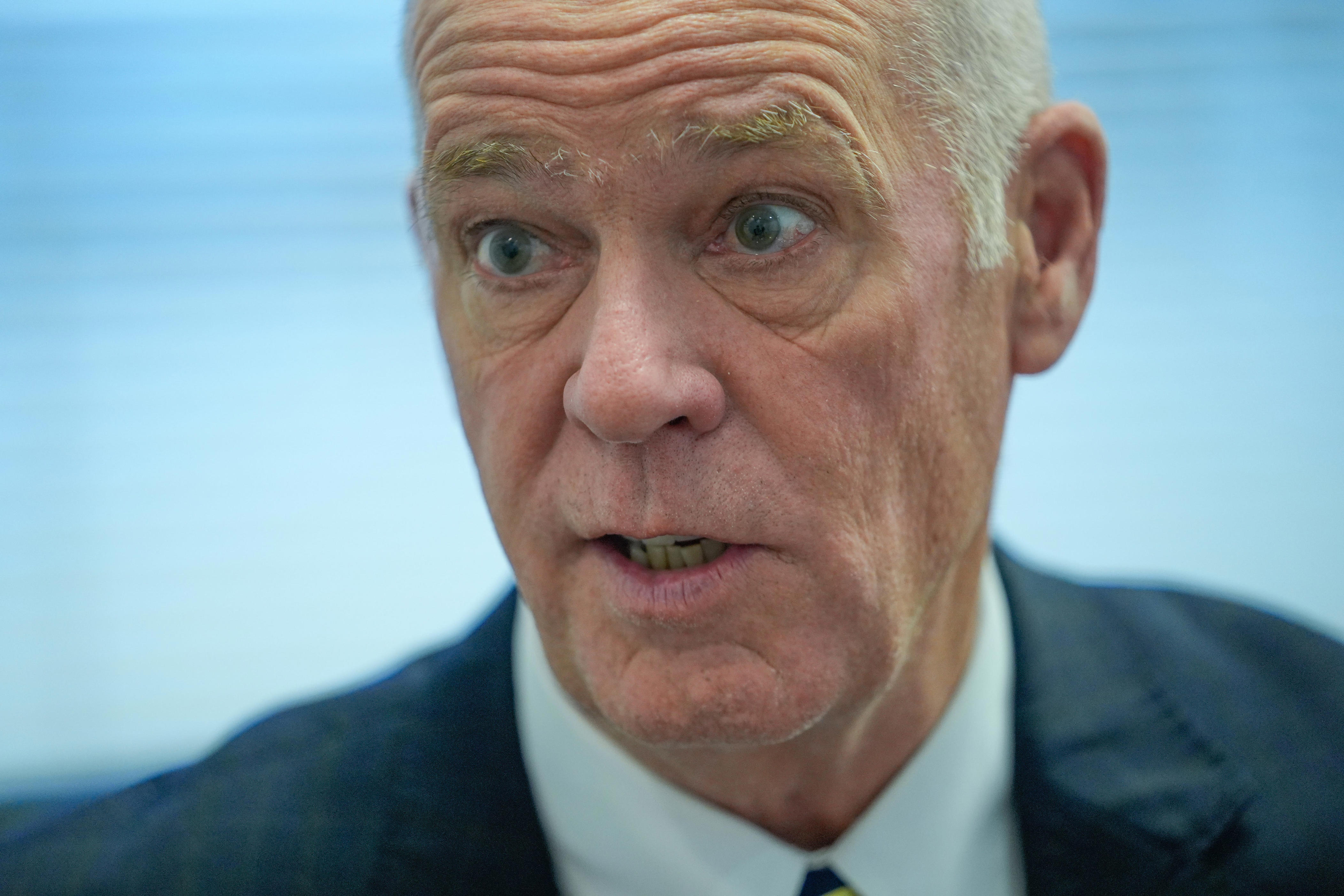
"He's got a big job," Rep. Byron Donalds said of Gianforte, who is expected to become the next Republican governor of Florida. In an exclusive interview with USA TODAY, Gianforte noted that the state administrations act as the last barrier against what he calls "crazy" policies from Washington.
Affordability as a Key Issue
Gianforte sees affordability as the cornerstone of the GOP's gubernatorial strategy. He argues that while Democrats have tried to claim the issue, it remains fundamentally a Republican concern. He points to traditional conservative values such as tax cuts, crackdowns on fraud, and wage growth in Republican-led states.
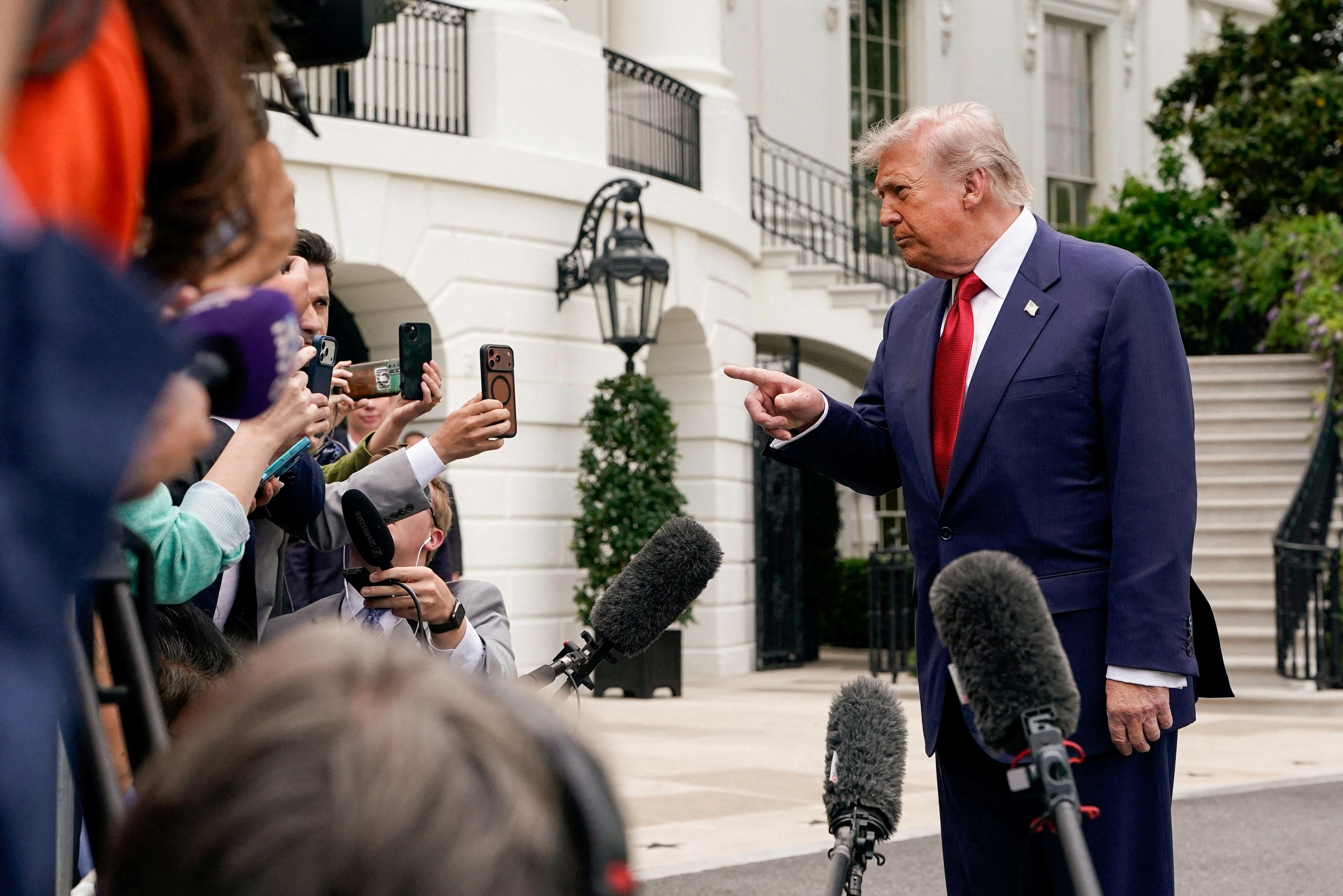
However, one major challenge remains: the president himself. Despite Trump's recent efforts to address affordability issues, including urging Congress to suspend the federal gas tax and pass a housing reform bill, his messaging has been inconsistent. Trump has publicly dismissed the concept of affordability as a "hoax" and has focused more on foreign policy than on domestic economic concerns.
Challenges Ahead
Navigating these challenges will not be easy. Gianforte has faced his own share of political battles, including a 2017 incident where he pleaded guilty to assaulting a reporter and later attended anger management counseling. Despite this, he has remained a prominent figure in Republican politics.
Trump, a friend of Gianforte's, once joked about his toughness, saying, "Never wrestle him." However, the path ahead for the GOP remains uncertain as they try to balance national and state-level priorities.
Democratic Momentum and Election Integrity Concerns
Meanwhile, Democrats are capitalizing on Trump's messaging missteps. They are also raising concerns about election integrity advocates, who note that some Republicans running for governor in battleground states have histories of undermining elections. If these candidates win, they would oversee the 2028 presidential race.
Kentucky Gov. Andy Beshear, head of the Democratic Governors Association, emphasized that public sentiment favors his party. He stated that Democratic governors and candidates are focusing on making people's lives easier by addressing costs, creating jobs, investing in education, and protecting healthcare.
Conclusion
As the midterms approach, the GOP faces a critical moment. While they hold significant power in Washington, internal divisions and external challenges could threaten their dominance. With many Republicans shifting their focus to state politics, the outcome of the upcoming elections could reshape the political landscape for years to come.
Post a Comment for "Midterms near, some Republicans consider leaving Congress"