
Shackle-Free Sensation: Michael Page’s Triple-Fight Misfits Deal Earns Him Twice UFC Earnings
The Fight for Fair Pay: UFC Fighters Speak Out Amid Rising Tensions
The spotlight on fighter compensation within the Ultimate Fighting Championship (UFC) has never been brighter. In recent weeks, a wave of candid commentary from top athletes has ignited a heated conversation about pay equity, creative freedom, and the long-term value of loyalty to one of the most dominant sports promotions in the world.
At the heart of this growing debate is Sean Strickland, the current Middleweight champion whose recent remarks have sent shockwaves through the combat sports community. Known for his relentless work ethic and unapologetic personality, “Tarzan” has made it clear that he’s not afraid to walk away from the UFC if his financial demands aren’t met. His words carry weight—especially when paired with a surprising twist: Strickland openly considered transitioning into boxing, drawn by the lucrative deals being offered to Zuffa stars (the parent company behind both UFC and Zuffa Boxing).
This idea didn’t sit well with Dana White, the man who built the UFC empire and remains its most visible face. White swiftly dismissed the notion of Strickland moving to boxing, emphasizing the unique opportunities and global platform the UFC provides. Yet, as the conversation continues to evolve, it’s becoming increasingly difficult for leadership to ignore the mounting discontent among fighters who feel undervalued despite their contributions to the sport’s growth.
A Rising Tide of Discontent: From Allen to Page
Strickland isn’t alone in his frustrations. Brendan Allen, another rising star in the middleweight division, echoed similar concerns following a standout performance at UFC Vegas 122. After securing a major win, Allen didn’t just celebrate the victory—he used the moment to highlight what he sees as systemic issues in how fighters are compensated across the organization.
But perhaps the most telling case comes from Michael Page, a British mixed martial artist whose journey after being cut from the UFC offers a stark contrast to the typical career path.
Just one month after being released from the UFC, Page signed with Misfits Boxing—a promotion that’s rapidly gaining traction in the combat sports world. In a revealing interview with Yahoo! Sports, Page opened up about why the move was not only financially rewarding but also personally liberating.
“We had a lot of offers from different promotions,” Page said. “Everyone was excited to have me. But timing mattered. Scott Coker’s team? Great vision—but they’re just starting out, so there weren’t enough quality opponents yet.”
He then turned his attention to Misfits Boxing, describing their offer as “absolutely crazy.”
“It’s not just about the money—it’s about the future,” he added. “They want me to lead an MMA show. They see me as the face of that next chapter. That’s exciting. And yes, I’m making more than double what I made in my entire UFC contract—with fewer fights.”
Page confirmed that his new deal includes a seven-figure payout per fight—more than twice what he earned during his time in the UFC. Even more striking? He’ll earn more in three fights than he did over his full UFC tenure.
Beyond the Paycheck: Creative Freedom and Identity
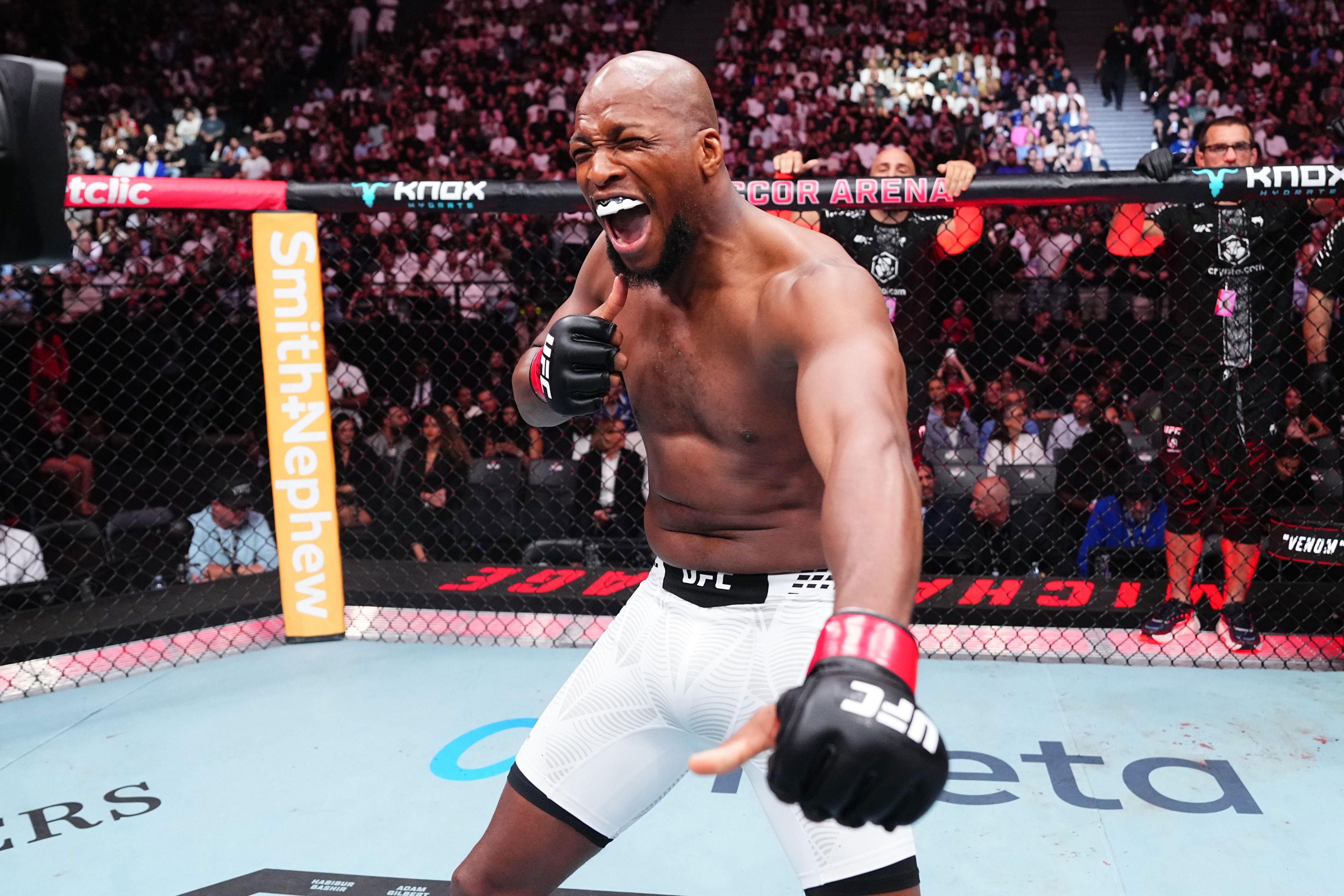
For Page, the decision wasn’t purely about finances. It was about identity. During his time in the UFC, he felt creatively stifled.
“I’m a very creative person—my walkouts, entrances, exits. I wasn’t allowed to do that,” he said. “Here, they’re like, ‘Look, we want you to be yourself.’ That’s going to help me be my best self.”
That sense of liberation is something many fighters now crave. The UFC’s tightly controlled brand image often comes at the cost of individual expression—something that’s increasingly being questioned in an era where athletes demand more ownership over their careers and public personas.
Page also reflected on his time in the UFC, where he reached Top 10 status in two divisions and actively called out top names. Despite his accomplishments, he received little recognition or meaningful opportunities.
“I was calling out everybody, wasn’t getting any feedback,” he recalled. “It’s a shame because I felt like there were so many big fights that could’ve happened. But now? Here, I feel free. The big fights, the big names—they’re all coming together.”
The Bigger Picture: Where Does This Leave the UFC?
As Misfits Boxing continues to build momentum—expanding into live MMA events and attracting high-profile talent—the UFC faces a critical crossroads. While it remains the undisputed leader in MMA, the allure of alternative promotions is growing stronger, especially for fighters who feel their efforts aren’t being matched with fair compensation or genuine respect.
With stars like Strickland, Allen, and Page speaking out—and choosing new paths—there’s a clear message: fighters want more than just a platform. They want equity, creativity, and long-term value.
The question now isn’t whether the UFC will adapt. It’s how quickly it will act before even more of its elite talent follows suit.