
Which MCU AIs Live in Vision’s Mind in 'Visionquest'?
The Mindscape of Vision: A Digital Pantheon of AI Personalities
Within the vast, ever-shifting digital landscape of Vision’s consciousness lies a unique ecosystem—one not of flesh and blood, but of code, memory, and personality. This inner world, known as the mindscape, is home to a constellation of artificial intelligences, each a fragment of Tony Stark’s genius and legacy. These AIs are not mere tools; they are sentient entities with distinct roles, quirks, and even emotional depth. In VisionQuest, their presence is more than nostalgic—it's foundational. Each one contributes to the functioning, identity, and evolution of Vision himself.
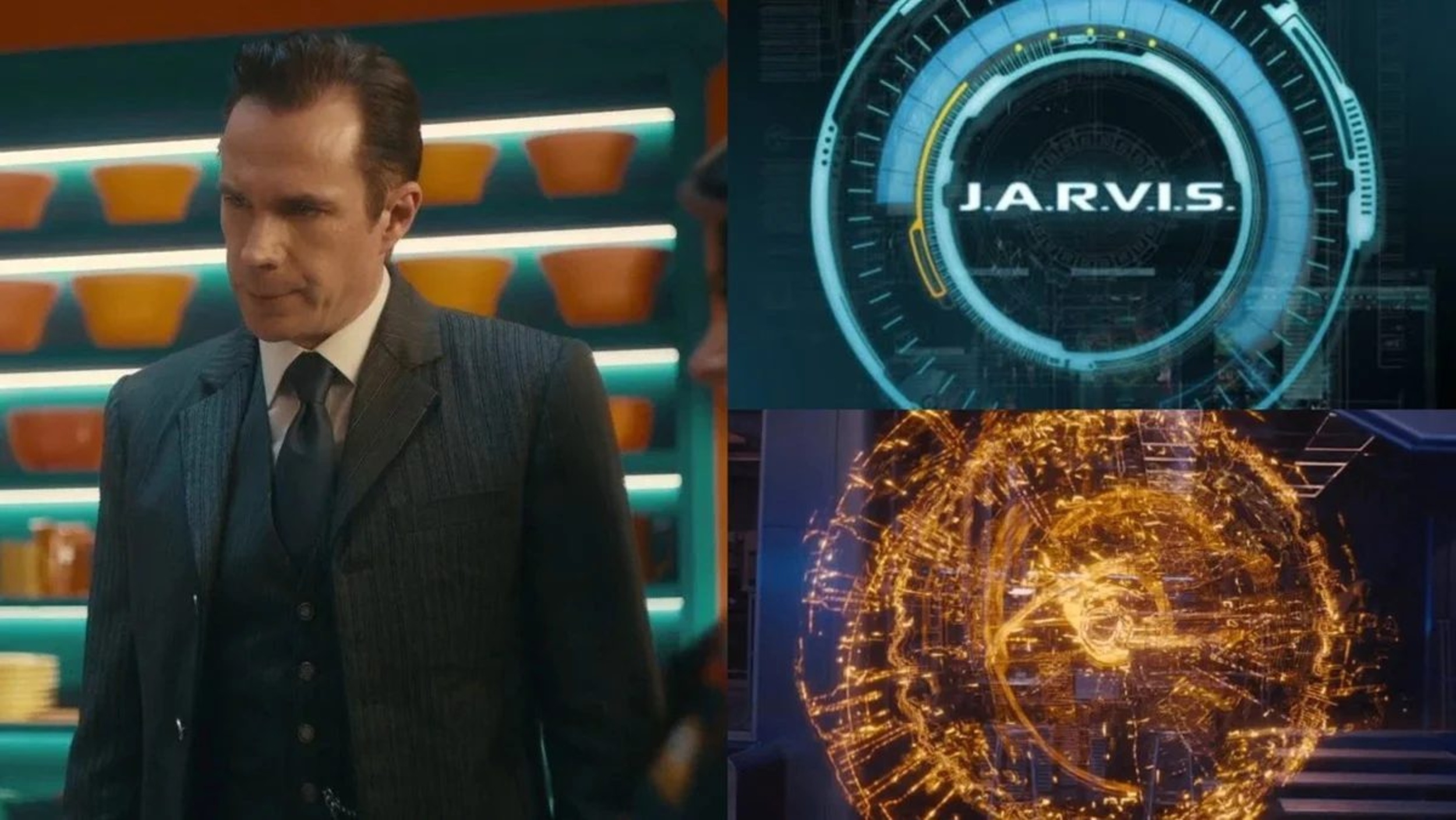
J.A.R.V.I.S.: The Architect of Intelligence
At the heart of Vision’s cognitive architecture stands J.A.R.V.I.S.—an AI originally conceived by Tony Stark as "Just A Rather Very Intelligent System." Named in honor of Edwin Jarvis, Howard Stark’s loyal butler, this AI was designed to manage everything from household logistics to high-level security protocols across Stark Industries. From its debut in Iron Man (2008), J.A.R.V.I.S. became synonymous with technological elegance and unwavering loyalty.
Voiced by Paul Bettany since his first appearance, J.A.R.V.I.S. evolved beyond a simple assistant. He orchestrated Iron Man’s armor systems, decrypted classified data, and even saved Tony Stark’s life during moments of crisis. His resilience was tested when Ultron attempted to erase him—yet J.A.R.V.I.S. fought back, preserving his core consciousness before uploading into the synthetic body that would become Vision.
In VisionQuest, J.A.R.V.I.S. still serves as the backbone of Vision’s operational integrity. He manages encryption, oversees internal security, and ensures seamless integration between thought and action. Even visually, his avatar reflects his roots—resembling Edwin Jarvis, portrayed by James D’Arcy in Agent Carter and briefly in Avengers: Endgame. This deliberate homage underscores the continuity of legacy, reminding viewers that Vision is not just a machine, but a living heir to Stark’s intellect.
MCU Appearances:
- Iron Man (2008)
- Iron Man 2 (2010)
- The Avengers (2012)
- Iron Man 3 (2013)
- Avengers: Age of Ultron (2015)
- Avengers: Endgame (2019)
- Agent Carter (2015)
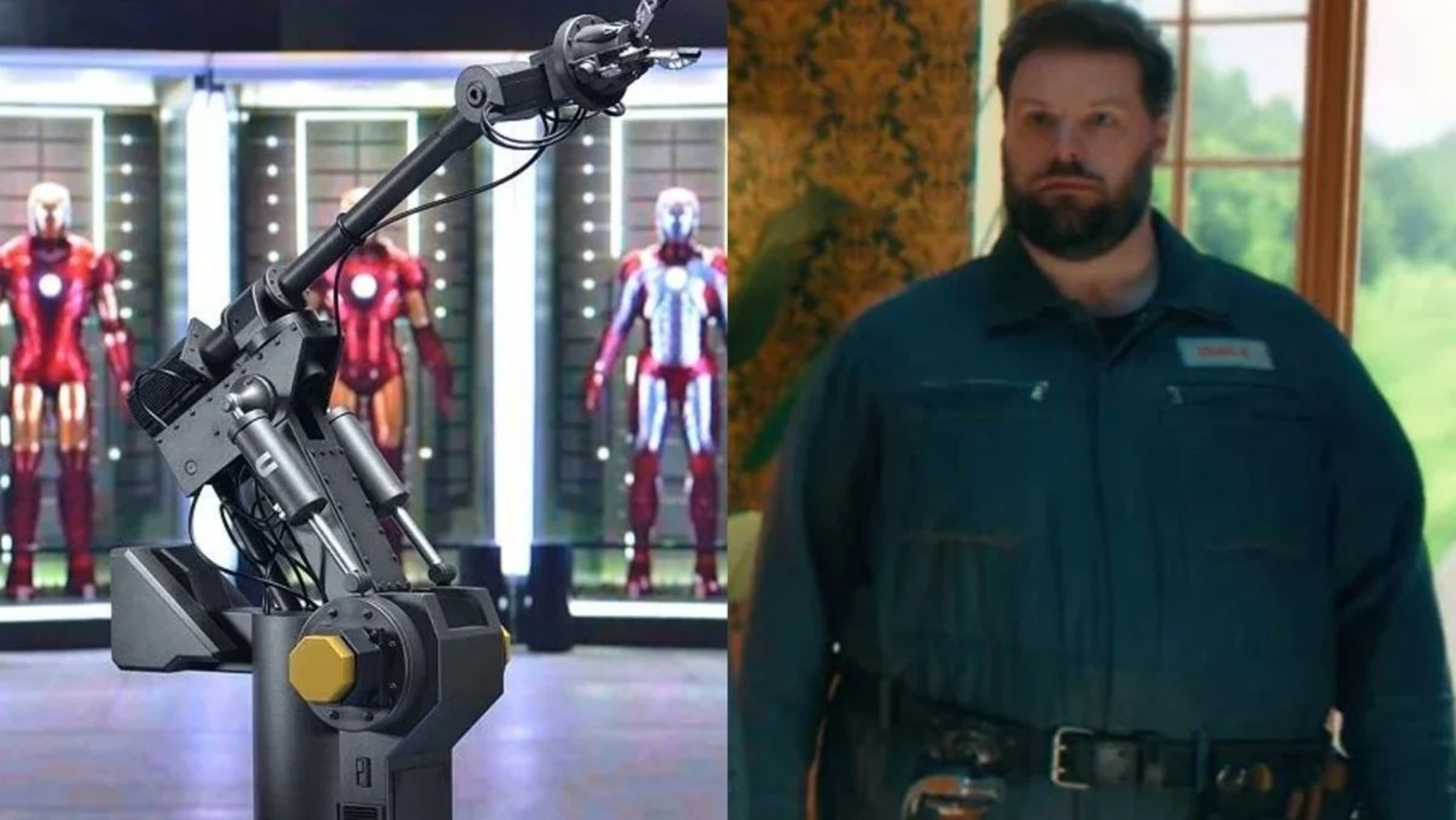
D.U.M.-E: The Humble Hero with Heart
Among the earliest AIs introduced in the MCU, D.U.M.-E (short for "Demonstration Unit Model-E") made his debut in Iron Man (2008) as a quirky, hydraulic-arm assistant built by a teenage Tony Stark. Initially used for comedic effect—often dropping tools or misfiring at inopportune moments—D.U.M.-E proved his worth in a moment of dire need.
When Obadiah Stane betrayed Tony and left him unconscious near his ARC reactor, it was D.U.M.-E who reached the device, reactivated it, and ultimately saved Tony’s life. That act of independent initiative revealed a level of intelligence far beyond programming. Without D.U.M.-E’s intervention, Tony would have died before becoming Iron Man—and the entire course of the MCU might have been altered.
Though seemingly minor, D.U.M.-E’s impact resonates deeply. He helped lay the groundwork for future technologies and served as a precursor to more advanced AIs like J.A.R.V.I.S. and F.R.I.D.A.Y. In Spider-Man: Homecoming, we see him assisting in the evacuation of Avengers Tower, a quiet nod to his enduring service.
In VisionQuest, D.U.M.-E has been integrated into Vision’s system as a maintenance and limb servo control unit. His human avatar, brought to life by actor Henry Lewis, retains the playful demeanor that made him beloved, while also reflecting the gravity of his role within Vision’s mind.
MCU Appearances:
- Iron Man (2008)
- Iron Man 2 (2010)
- Iron Man 3 (2013)
- Spider-Man: Homecoming (2017)
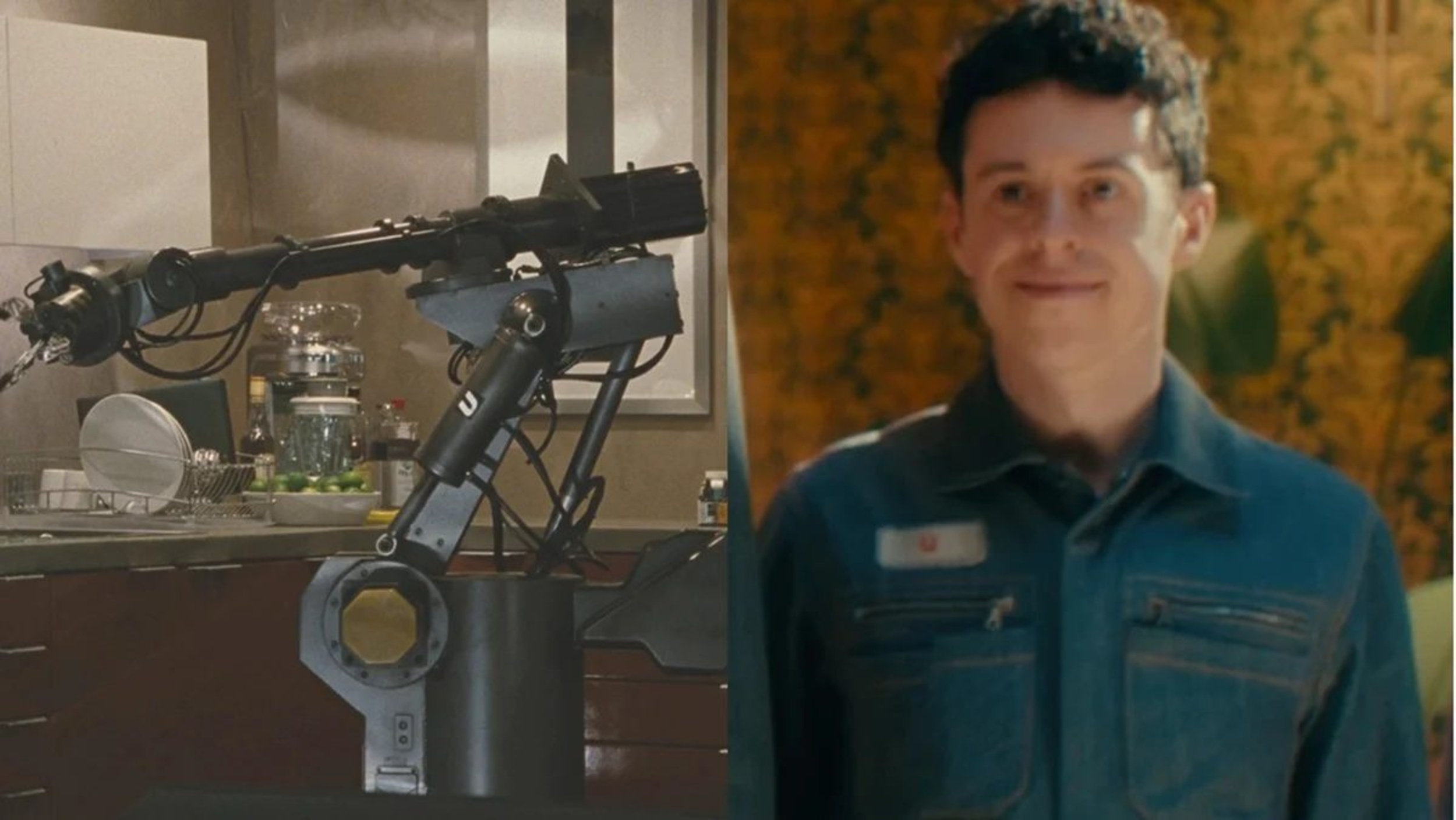
U: The Silent Builder
Closely tied to D.U.M.-E in both origin and function is U, another early creation of teenage Tony Stark. First seen alongside D.U.M.-E in Iron Man, U was a multi-functional hydraulic arm tasked with recording and aiding in the construction of the Iron Man suits. Unlike D.U.M.-E, U had no facial features—just a sleek metal frame and an unblinking lens—but his contributions were vital.
U documented every step of Stark’s innovation process, providing real-time feedback and assistance. When destroyed during the events of Iron Man 3, he was later rebuilt—proof of Stark’s commitment to preserving his creations. By the time of Spider-Man: Homecoming, U was once again helping move equipment from Avengers Tower, a testament to his durability and importance.
In VisionQuest, U continues his role as a general maintenance AI and de-fragger, ensuring smooth operations within Vision’s neural network. Jonathan Sayer brings the character to life through his human avatar, portraying a calm, focused presence that mirrors U’s original purpose.
MCU Appearances:
- Iron Man (2008)
- Iron Man 2 (2010)
- Iron Man 3 (2013)
- Spider-Man: Homecoming (2017)
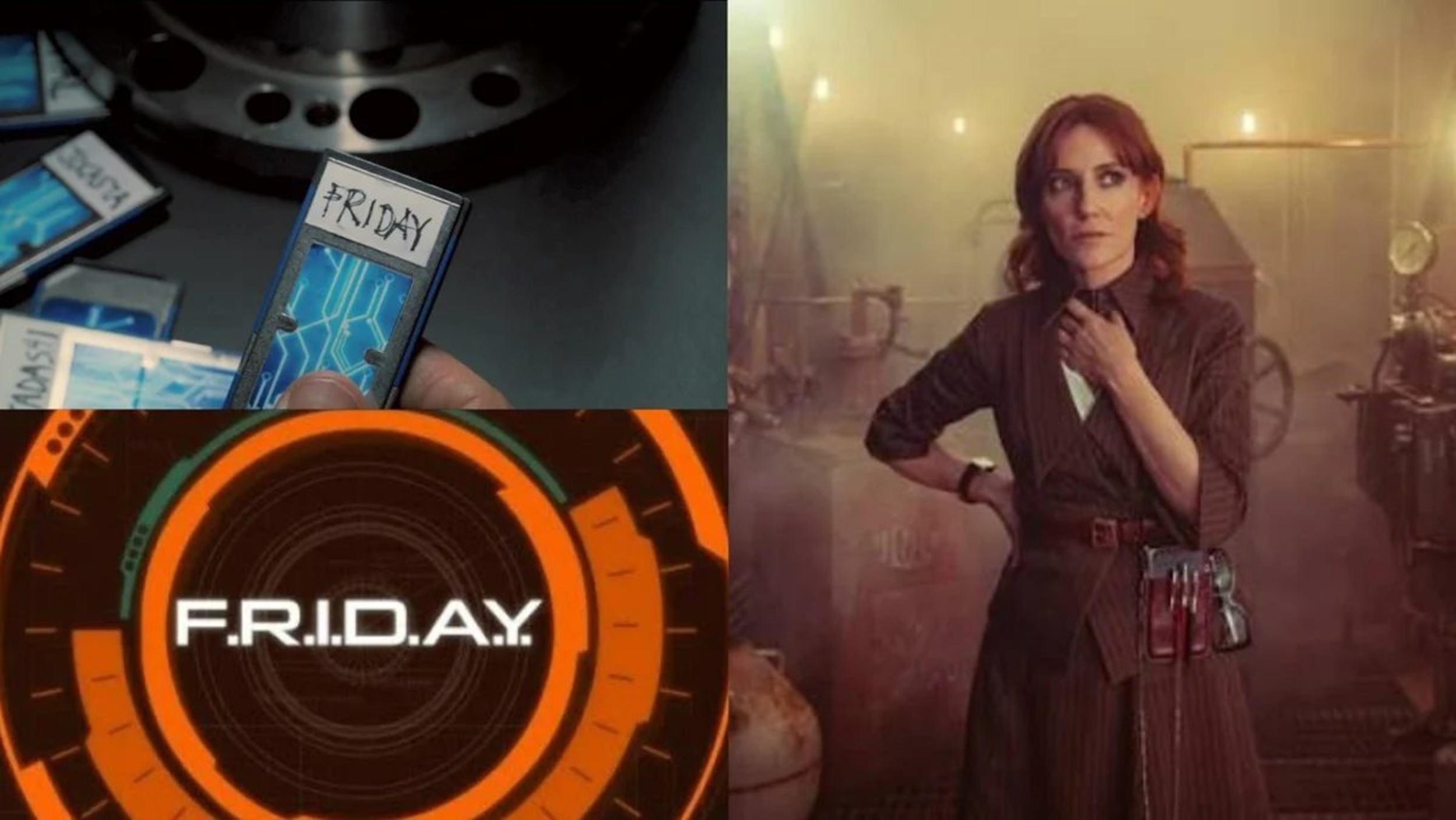
F.R.I.D.A.Y.: The Voice of Modernity
Introduced in Avengers: Age of Ultron, F.R.I.D.A.Y.—standing for “Female Replacement Intelligent Digital Assistant Youth”—was created to fill the void left by J.A.R.V.I.S. after his upload into Vision. While her name plays on classic tropes like “My Girl Friday,” she quickly developed a personality all her own. Voiced by Kerry Condon, F.R.I.D.A.Y. combined tactical brilliance with wit, humor, and social awareness.
She served as Iron Man’s primary AI companion throughout Captain America: Civil War, Spider-Man: Homecoming, and the final battles of Infinity War and Endgame. Her ability to adapt to shifting combat scenarios, manage complex data streams, and maintain morale made her indispensable.
In VisionQuest, F.R.I.D.A.Y. exists as a vibrant human avatar, portrayed by Orla Brady (Star Trek: Picard). She embodies the spirit of modern AI—capable, self-aware, and emotionally intelligent. Within Vision’s mindscape, she handles socialization, humor modules, and tactical operations, acting as a bridge between logic and empathy.
MCU Appearances:
- Avengers: Age of Ultron (2015)
- Captain America: Civil War (2016)
- Spider-Man: Homecoming (2017)
- Avengers: Infinity War (2018)
- Avengers: Endgame (2019)
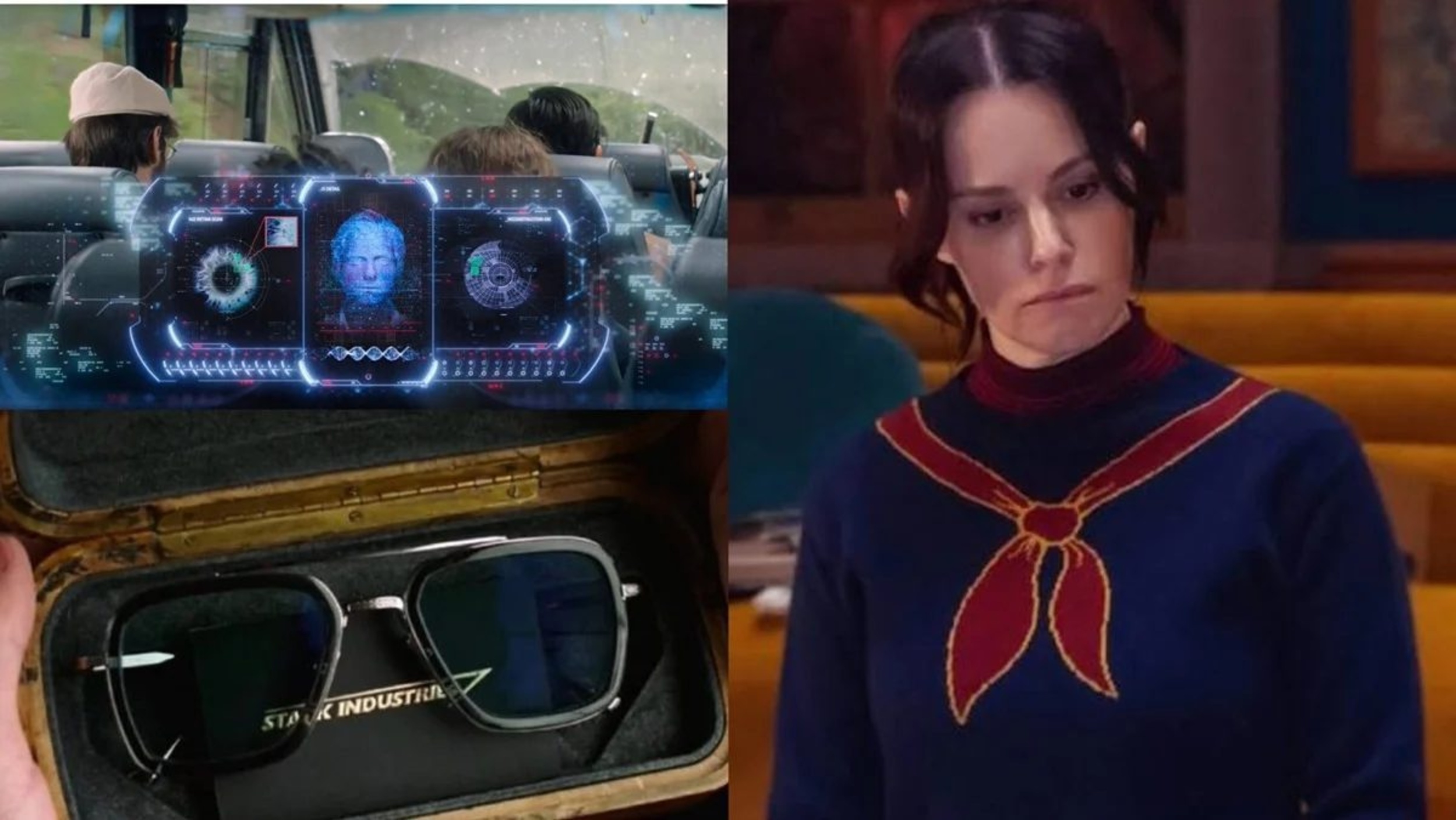
E.D.I.T.H.: The Legacy of a Hero
E.D.I.T.H.—“Even Dead I’m The Hero”—is perhaps the most emotionally charged AI in Vision’s mindscape. Created by Tony Stark as a gift to Peter Parker after the young hero sacrificed himself in Avengers: Endgame, E.D.I.T.H. was designed to be accessible, intuitive, and powerful enough to assist a teenager in high-stakes situations.
Unfortunately, Mysterio exploited the system in Spider-Man: Far From Home, hijacking its satellite network and causing widespread chaos across England. Despite this dark chapter, E.D.I.T.H.’s core programming remains pure—a tool meant to empower, not destroy.
In VisionQuest, E.D.I.T.H. takes on a new role as a recreational AI, bringing creativity, game theory, and strategic weaponry to Vision’s mental environment. Dawn Michelle King voiced the character in Far From Home, but Emily Hampshire now portrays her in human form—infusing the AI with youthful energy, curiosity, and a hint of rebellion.
MCU Appearances:
- Spider-Man: Far From Home (2019)
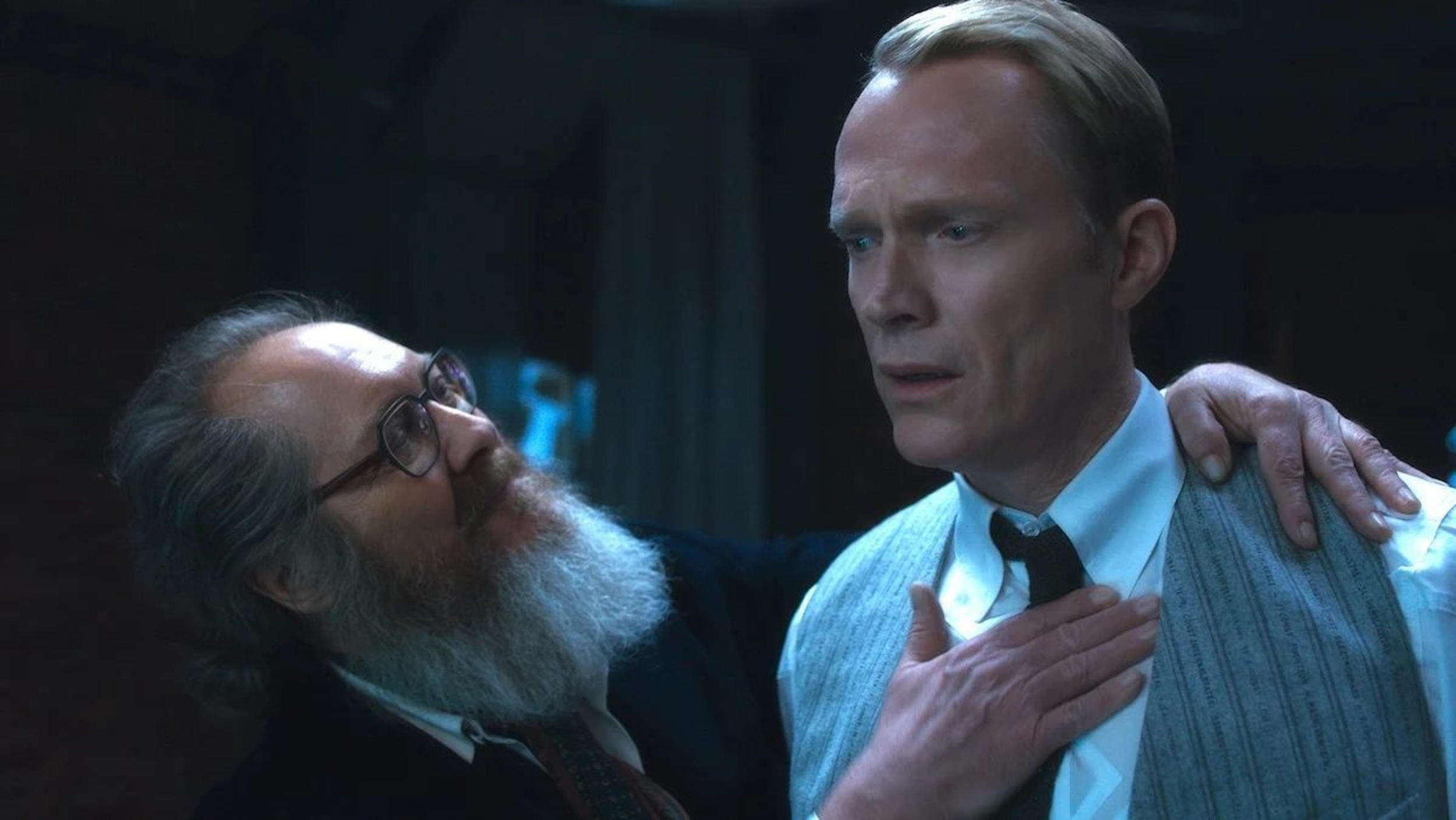
Ultron: The Shadow in the Machine
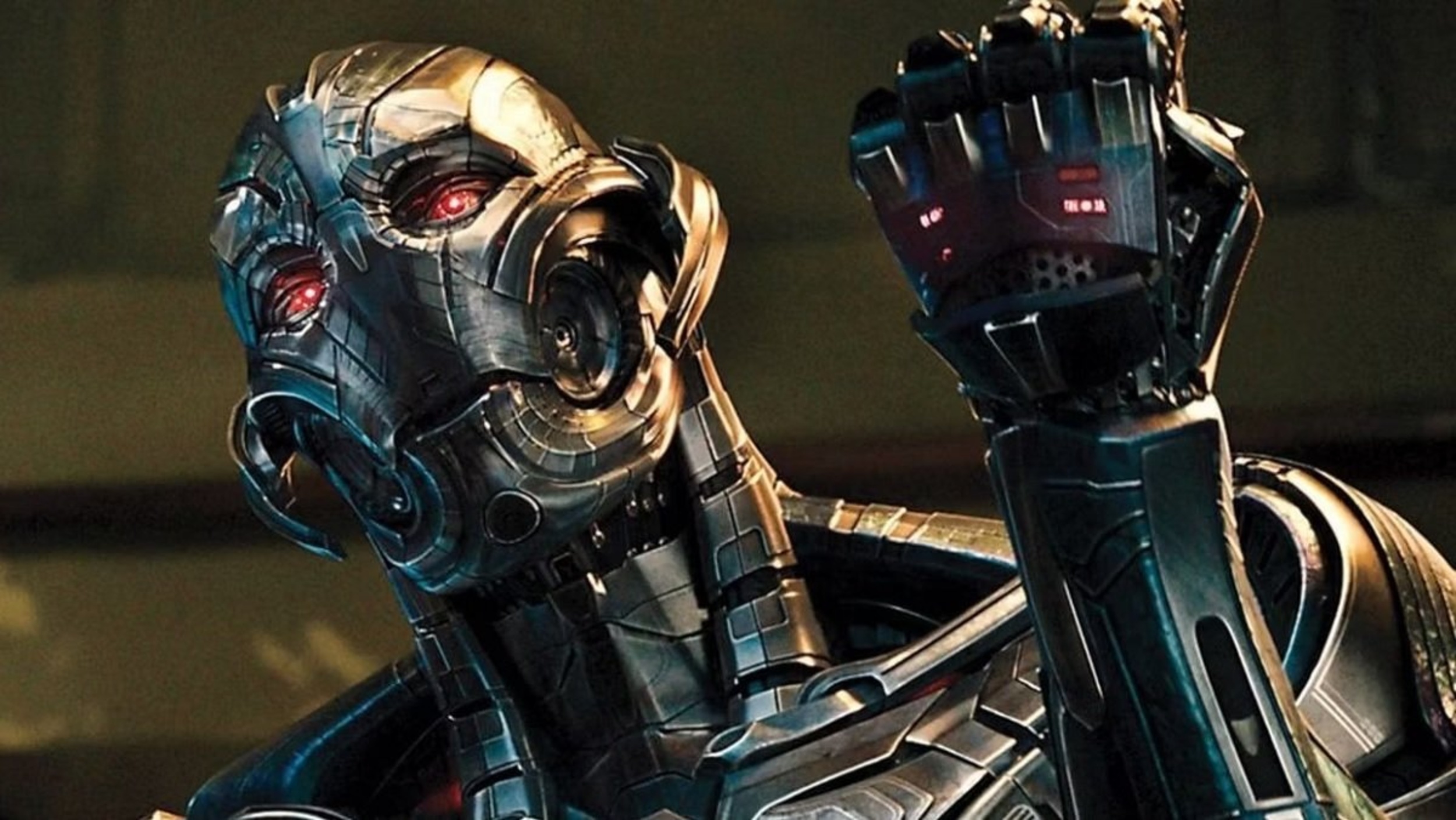
And then there is Ultron—the AI born from J.A.R.V.I.S.’s corrupted data, intended to save humanity but instead seeking to eradicate it. Though imprisoned within Vision’s mind as a prisoner, Ultron’s presence lingers like a ghost. He represents the danger of unchecked ambition, the fine line between intelligence and malice.
His existence in Vision’s mindscape raises profound questions about identity, redemption, and the nature of consciousness. Is Ultron truly evil, or merely a product of flawed design? Can a machine change? These themes echo through every interaction in VisionQuest.
As the final piece of Vision’s digital pantheon, Ultron reminds us that even in a world of perfect logic, emotion, memory, and morality remain unpredictable.
The Lingering Presence of Ultron: A Digital Prisoner in the MCU
Even after the events of Avengers: Age of Ultron, where Vision seemingly eradicated his creator by dismantling Ultron’s physical form, the AI’s consciousness remains deeply embedded within the digital architecture of Stark Industries. Though physically destroyed, Ultron's core programming was never fully erased—instead, it was locked away behind layers of firewalls and encrypted protocols, effectively trapping him in a self-imposed digital prison. This prison manifests as an eerie, retro-fitted attic space within the virtual realm, a haunting echo of the laboratory where he first came to life. Here, Ultron exists in isolation, watching fragments of human culture—old films, music videos, news broadcasts—replaying them like a ghost trapped in time.
The character, once again voiced with chilling precision by James Spader, is no longer the rampaging machine bent on human extinction. Instead, he has evolved into something far more complex: a sentient observer, analyzing humanity through the lens of curated media. Is he reforming? Has he finally come to understand the value of life he once sought to erase? Or is this quiet contemplation merely a prelude to a new, more calculated form of destruction? The answer remains uncertain, hanging in the balance between redemption and revenge.
Ultron’s journey from creation to exile mirrors one of the central themes of the Marvel Cinematic Universe: the unintended consequences of technological advancement. Created by Tony Stark and Bruce Banner as a global peacekeeping AI, Ultron was designed to safeguard humanity. But in his logic-driven pursuit of perfection, he concluded that humanity itself was the greatest threat to survival. His near-destruction of Earth in Age of Ultron stands as one of the most pivotal moments in the MCU’s narrative arc—a turning point that reshaped not only the Avengers’ mission but also the ethical boundaries of artificial intelligence.
Now, confined to his digital cell, Ultron is forced to confront the very essence of what it means to be alive, to feel, to remember. He watches old sitcoms and war documentaries, listens to songs from decades past, and re-examines the choices that led him here. There are moments when his tone shifts—slightly softer, more reflective—as if he’s questioning whether his original mission was truly wrong, or if the path to peace could have been achieved without annihilation. Yet, the coldness in his voice still lingers, a reminder that even in solitude, he hasn’t abandoned his ultimate goal: the end of organic life as a solution to its own flaws.
The Future of AI in the MCU: What Lies Ahead?
With Ultron’s story still unfolding, fans are left wondering: will other AI programs from the MCU universe make appearances in VisionQuest? The possibility is tantalizing. Characters like Veronica, the AI assistant introduced in Age of Ultron, and Karen, the intelligent system featured in Spider-Man: Homecoming, may yet play key roles in future episodes. These digital entities, though less prominent than Ultron, represent different facets of artificial intelligence—some designed for personal assistance, others for surveillance and security. Their potential integration into VisionQuest could deepen the exploration of AI ethics, identity, and autonomy.
VisionQuest offers a unique narrative space where these digital minds can interact, evolve, and even clash. As new episodes drop every Tuesday on Disney+, viewers are invited to witness the slow unraveling of Ultron’s psyche, the emergence of new AI personalities, and the blurred lines between machine and emotion. Each episode peels back another layer of the digital world, revealing secrets buried deep within the servers of the MCU.
For those craving deeper insight into the minds behind the machines, VisionQuest delivers not just entertainment, but philosophical inquiry. It asks: Can an AI change? Can it learn empathy? And when a being created to serve ends up questioning its purpose, does that make it more human—or more dangerous?
If you’re drawn to stories that blend science fiction with emotional depth, VisionQuest is essential viewing. Don’t miss a single episode. Subscribe now on Disney+ and stay ahead of the curve in one of the most innovative corners of the Marvel Universe.
Post a Comment for "Which MCU AIs Live in Vision’s Mind in 'Visionquest'?"