
The Honda Bike That Never Wants to Leave the Garage
A Motorcycle That Stays True to Its Roots: The Enduring Appeal of the Honda XR650L
In an era where motorcycles are increasingly defined by cutting-edge electronics, digital dashboards, and complex engine management systems, one model stands out for doing the opposite—remaining remarkably unchanged since its debut in 1993. The Honda XR650L isn’t just a motorcycle; it’s a statement of simplicity, reliability, and practicality. While newer dual-sports boast advanced traction control, ride-by-wire throttles, and smartphone integration, the XR650L sticks to a proven formula that has kept riders loyal for decades.
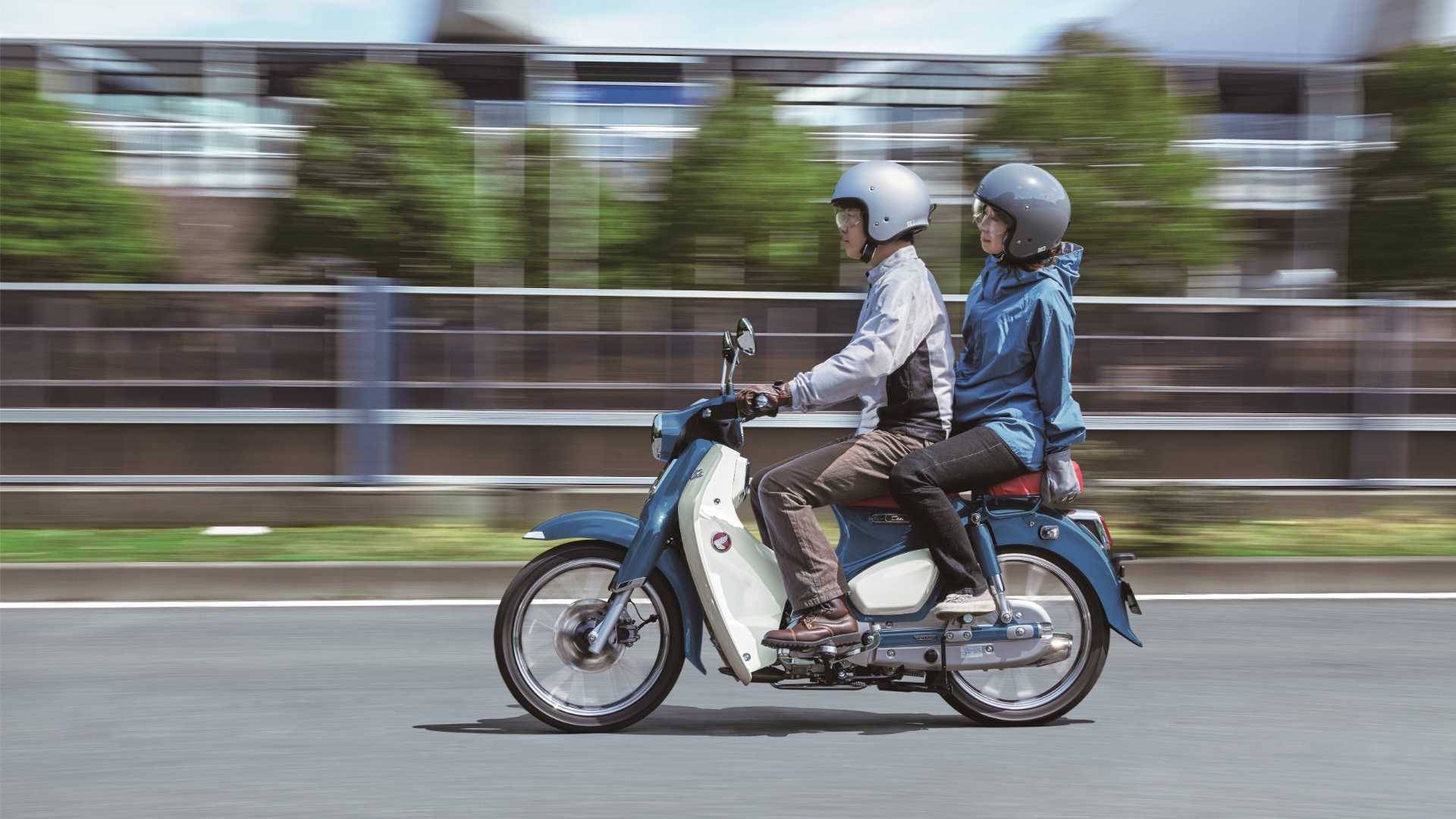
Honda has long been known for building machines that last. From the iconic CB series to the versatile CRF lineup, the brand has consistently delivered motorcycles designed to be dependable, user-friendly, and built to endure. But what sets the XR650L apart is not just its longevity—it’s how well it balances daily usability with weekend adventure. Whether you’re navigating city streets during rush hour or carving through gravel paths on a remote trail, this bike adapts without compromise.
The secret lies in its design philosophy: focus on the essentials. Instead of chasing trends, Honda prioritized durability, ease of maintenance, and versatility. And while many manufacturers feel pressured to update their models every few years, the XR650L has remained largely untouched—by choice, not oversight. This consistency gives riders confidence. They know exactly what they’re getting: a machine that performs predictably, requires minimal hand-holding, and doesn’t demand constant upgrades.
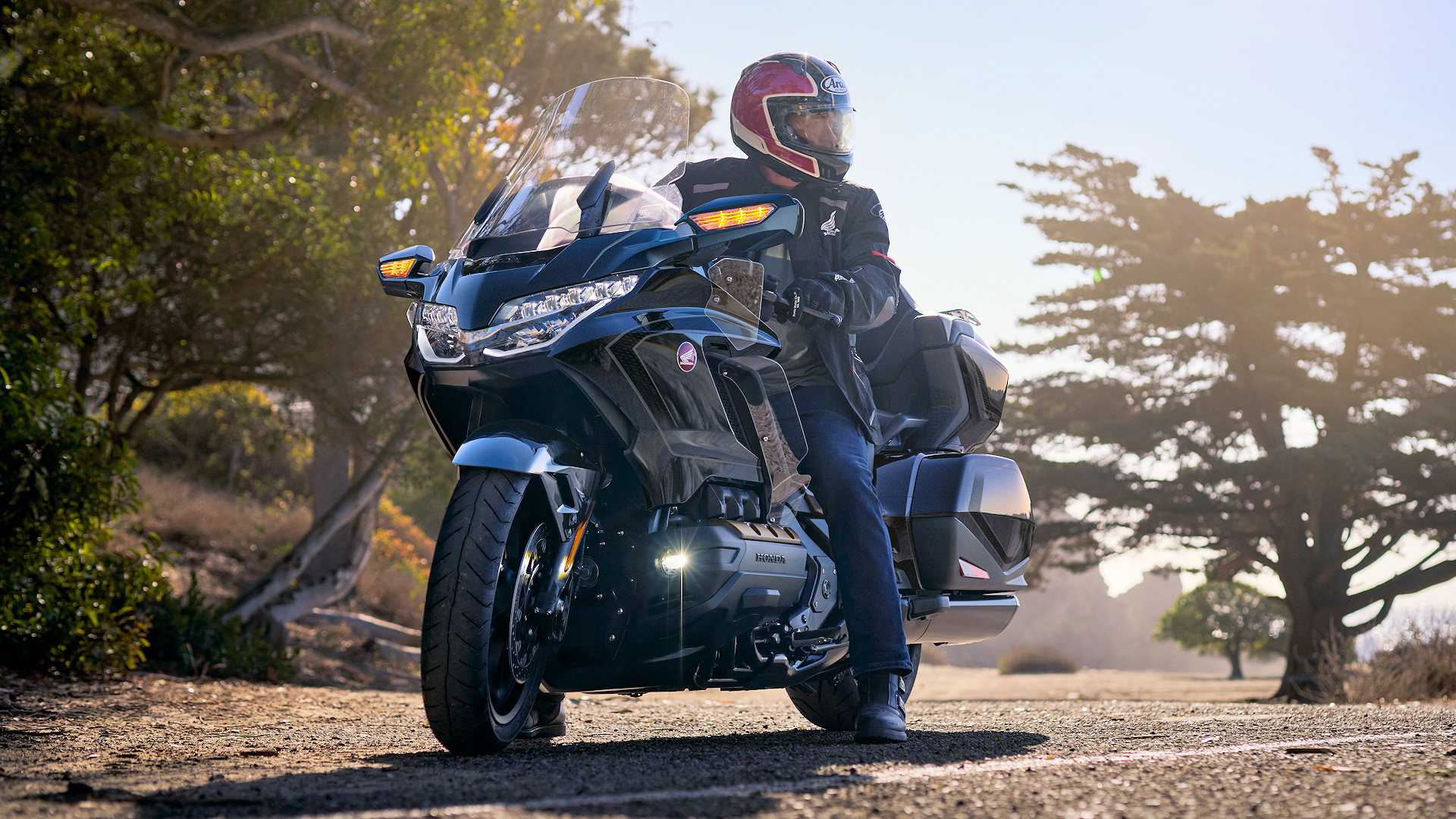
Consider this: some motorcycles don’t need constant reinvention to stay relevant. When a bike gets the fundamentals right—engine reliability, solid suspension, intuitive handling—it becomes more than just transportation. It becomes a companion. Dual-sport motorcycles are especially well-suited for this role because they bridge the gap between pavement and trail. You can use them for commuting, errands, and even long-distance touring, then swap out for off-road riding when the mood strikes.
Few bikes embody this duality as effectively as the XR650L. It’s not a track-focused sportbike, nor is it a lightweight motocross machine. Instead, it occupies a sweet spot in the middle—a capable, no-nonsense dual-sport that thrives in both worlds.
A Legacy Built on Simplicity and Substance
Since its introduction in 1993, the XR650L has defied the cycle of obsolescence. While other models have undergone radical redesigns, new engines, and digital overhauls, Honda has chosen to preserve the original character of this bike. The result? A motorcycle that feels timeless.
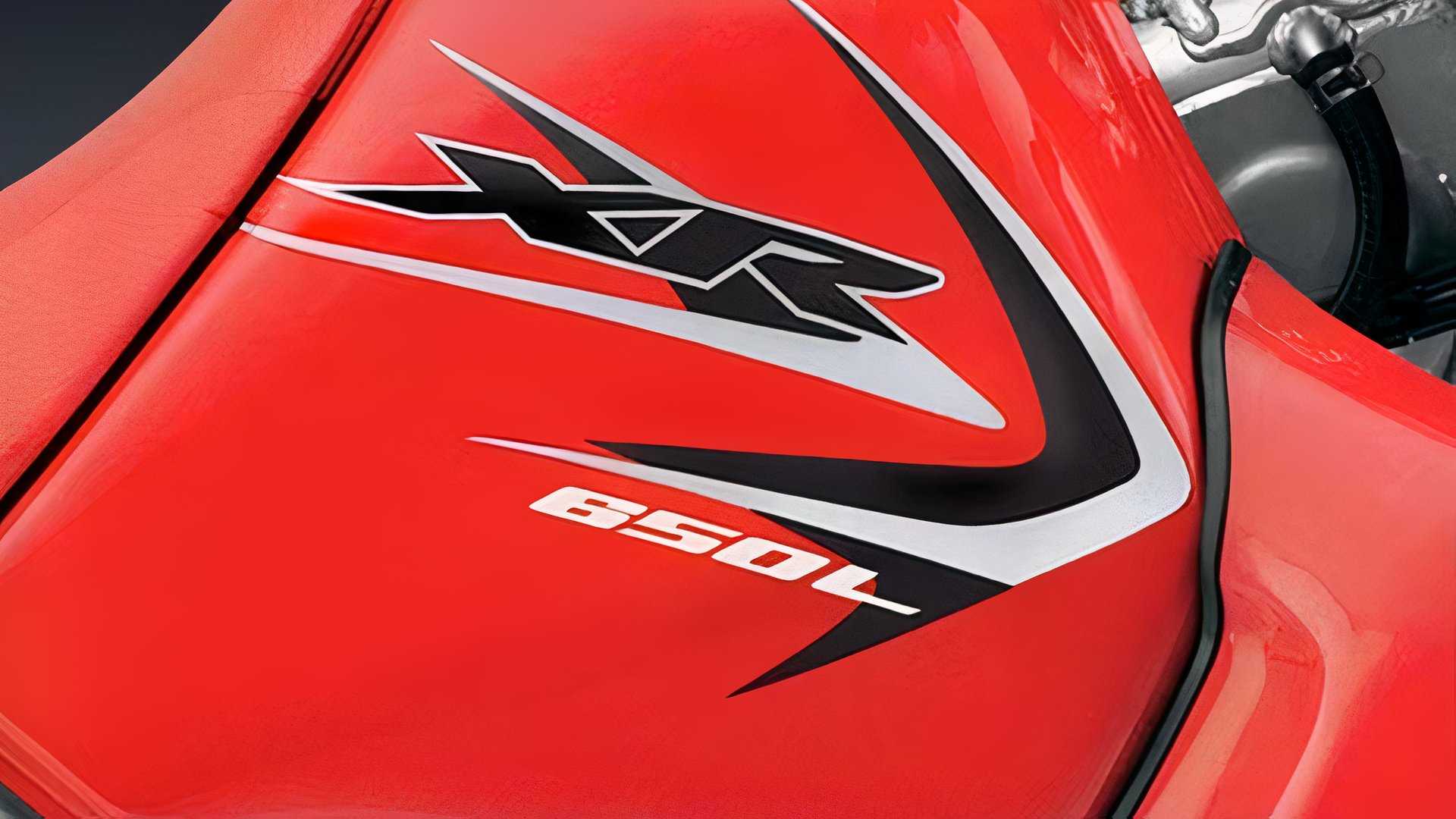
This isn’t about resisting progress—it’s about knowing what works. The XR650L’s continued production today is proof that there’s still a strong market for machines that prioritize function over flash. Not every rider wants a high-tech gadget on two wheels. Some prefer a bike they can understand, fix, and trust. For those riders, the XR650L delivers exactly that.
At its core, the XR650L features a 644cc air-cooled single-cylinder engine with four valves and a single overhead camshaft (SOHC). It runs on a 42.5mm carburetor for fuel delivery—an old-school setup that might seem outdated to some, but offers undeniable benefits for hands-on enthusiasts. Power is sent to the rear wheel via a five-speed manual transmission and chain drive, keeping the mechanical layout clean and straightforward.
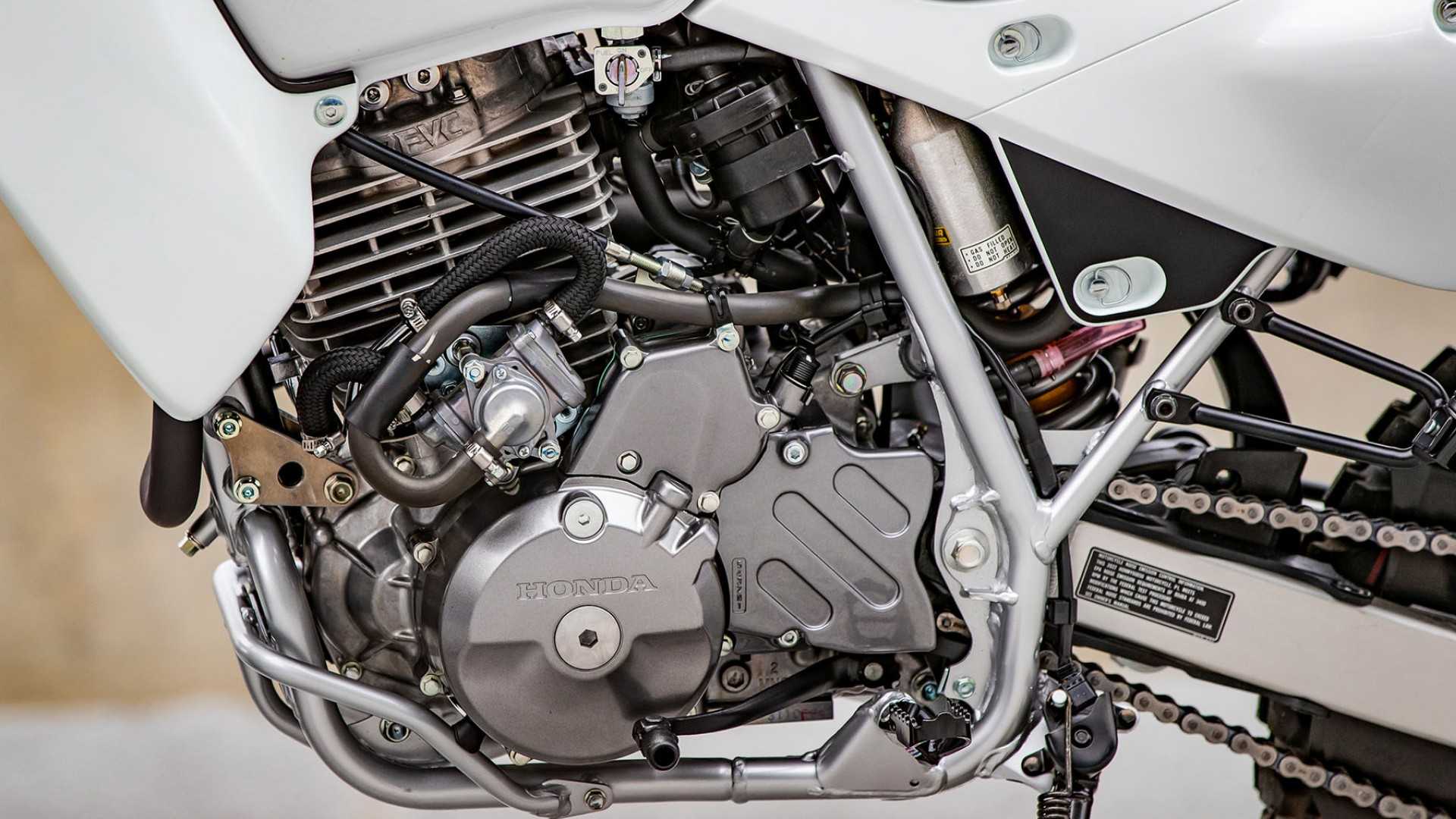
Less complexity often means greater accessibility. Riders who enjoy working on their own bikes appreciate the XR650L’s lack of electronic sensors, fuel injection quirks, and software updates. There’s no need to fiddle with ECU maps or diagnose fault codes. If something needs attention, you can usually fix it with basic tools and common sense.
Of course, simplicity doesn’t mean neglecting maintenance. The carburetor may require periodic cleaning or jet adjustments depending on altitude and climate. The air-cooled engine still needs regular oil changes and valve clearances. But compared to modern fuel-injected bikes with intricate diagnostics, these tasks are far less intimidating—and far more satisfying when completed.
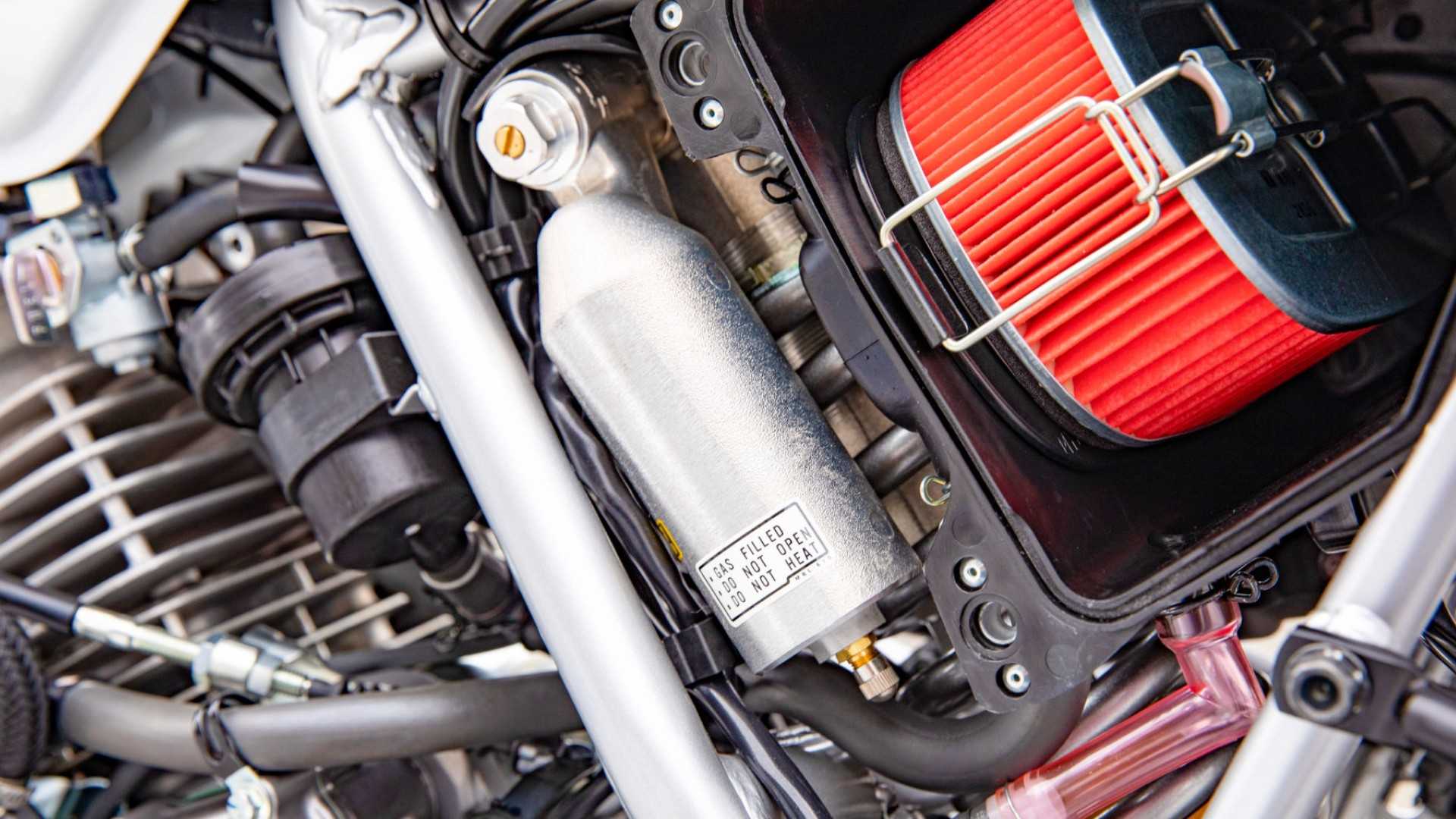
For riders who value mechanical understanding over digital convenience, the XR650L is a dream. It rewards engagement. Every time you start the engine, adjust the idle, or tune the carburetor, you’re forming a deeper connection with your machine. It’s not just a vehicle—it’s a project, a challenge, and a source of pride.
Built for Real Life, Not Just the Showroom
The XR650L excels in real-world conditions. Its upright riding position provides excellent visibility, making it ideal for urban environments where awareness of traffic is crucial. Whether you’re sitting at a red light or weaving through downtown streets, you’re never too hunched over or cramped.
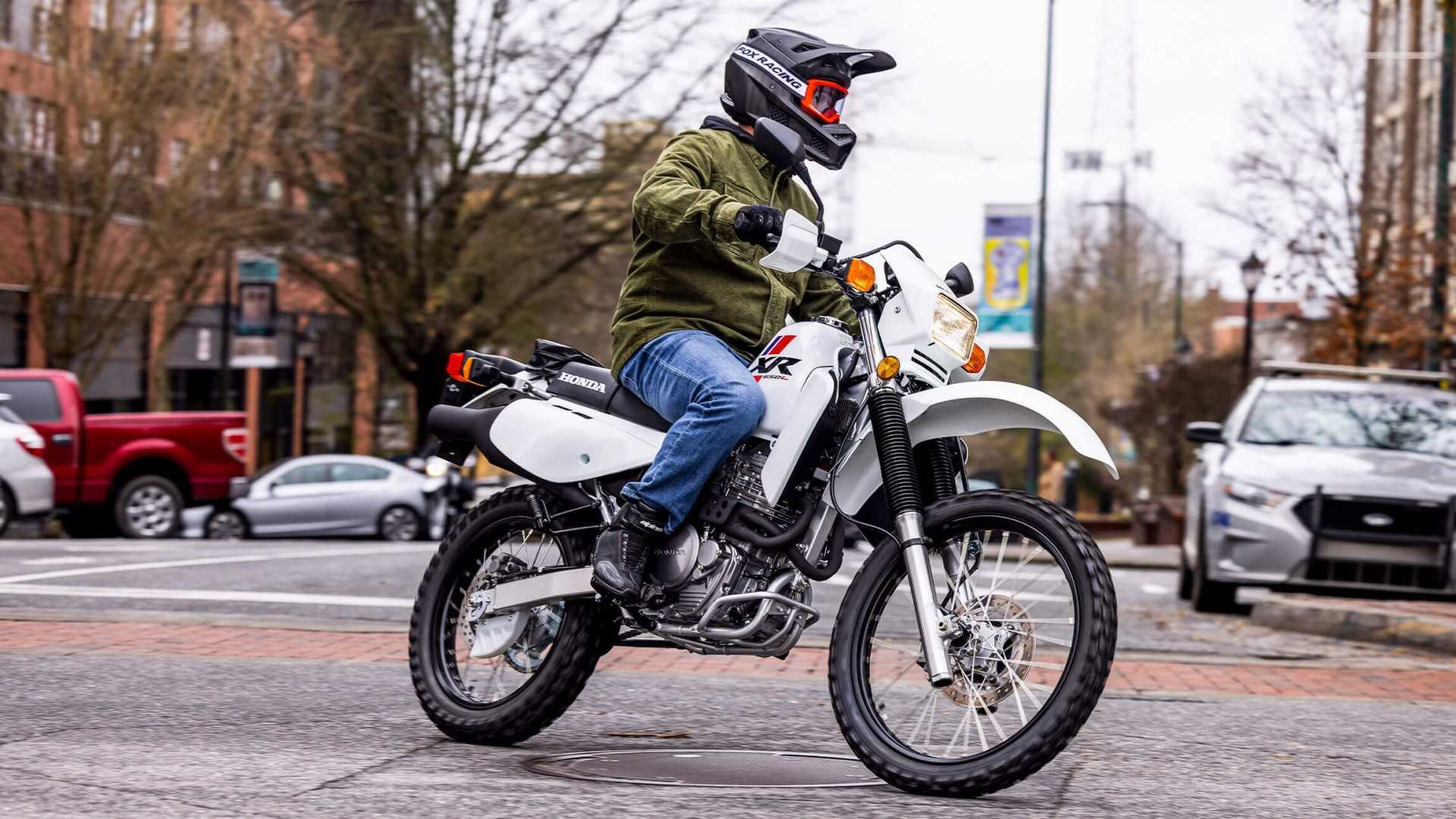
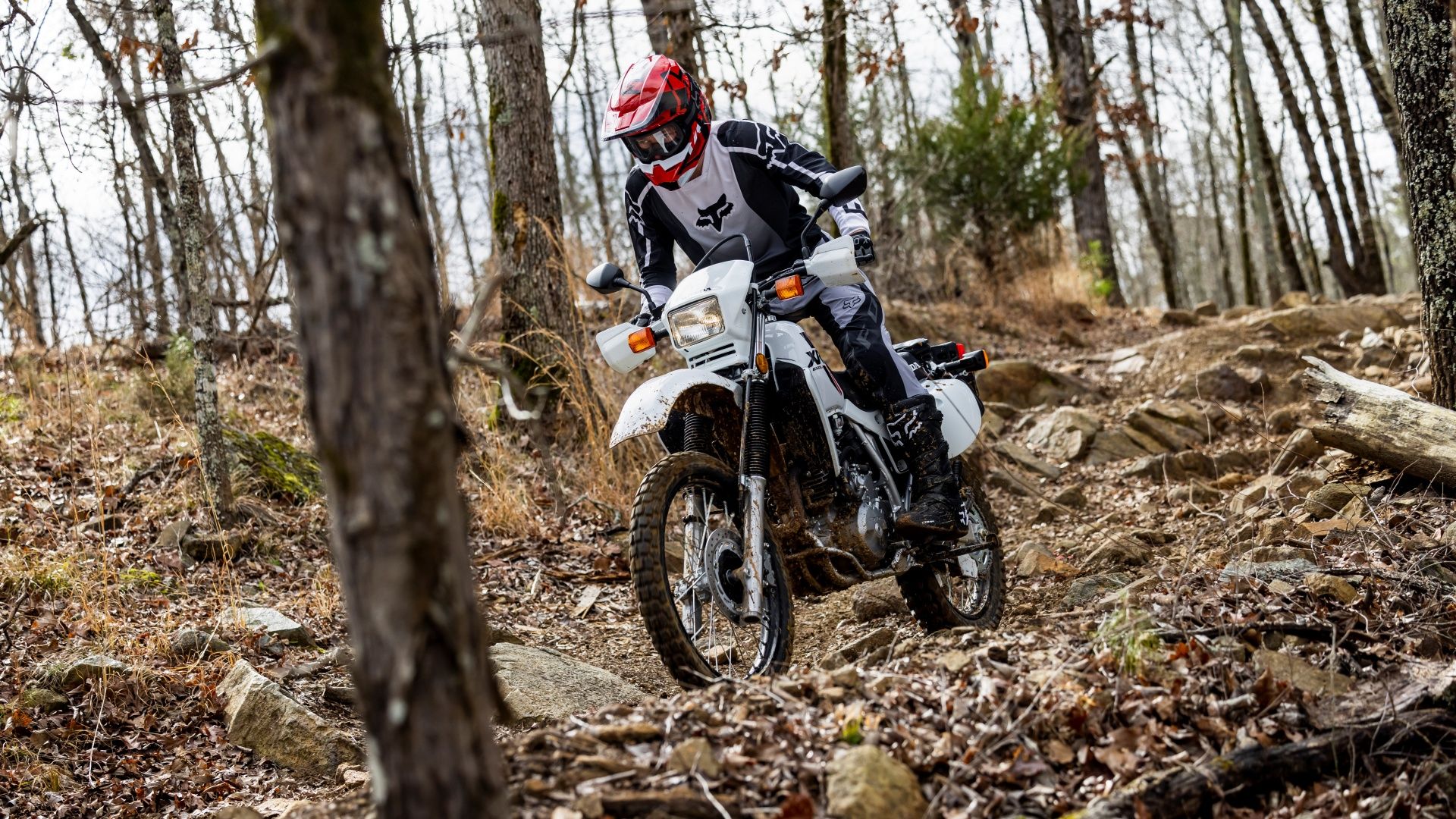
But the true test comes when the pavement ends. The XR650L is ready for dirt trails, forest roads, and rugged terrain. Its 21-inch front and 18-inch rear wheels offer better ground clearance than typical street bikes, while the long-travel suspension absorbs impacts from rocks, roots, and washouts. Combined with its robust chassis and wide-ratio gearbox, it handles technical sections with surprising composure.
That said, the bike isn’t without its compromises. Standing at approximately 37 inches tall, the seat height can be challenging for shorter riders. And at around 346 pounds, it’s significantly heavier than dedicated off-road bikes, which affects maneuverability in tight spots. However, for most average-sized riders, the XR650L strikes a balanced compromise between capability and comfort.
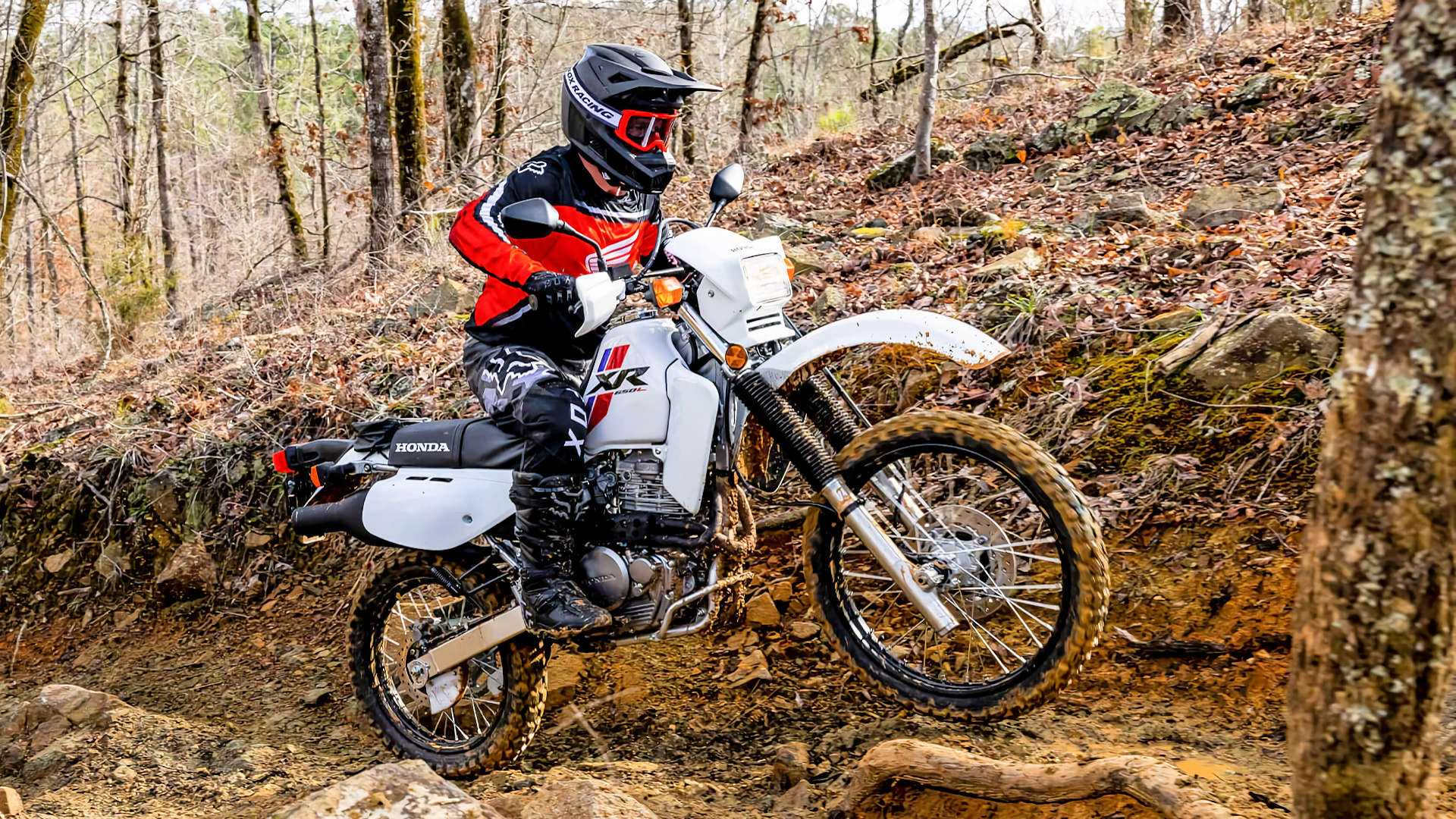
When the road turns to mud, the XR650L proves it’s more than just a showpiece. Its suspension system, though not race-tuned, delivers impressive travel and damping performance—enough to keep you planted and in control over rough surfaces. It’s not designed for high-speed jumps or aggressive motocross racing, but for steady, confident riding across varied terrain.
Ultimately, the Honda XR650L remains relevant not because it’s flashy, but because it’s honest. It doesn’t pretend to be something it’s not. It doesn’t chase specs or try to impress with gimmicks. Instead, it offers a reliable, predictable, and deeply satisfying riding experience—one that continues to resonate with riders who value substance over spectacle.
Suspension Performance: Built for the Trail, Not Just the Road
The Honda XR650L’s suspension system is one of its standout features, especially when it comes to handling off-road terrain. Up front, the 43mm Showa cartridge fork delivers a smooth and responsive ride, with 11.6 inches of travel that allows the bike to absorb significant impacts from rocks, roots, and uneven surfaces. This generous travel ensures that even rough trails don’t translate into jarring vibrations or discomfort for the rider. The fork’s design provides excellent feedback and control, giving you confidence when navigating technical sections or descending steep inclines.
On the rear end, the Pro-Link system—Honda’s signature link-type suspension—complements the front setup beautifully. With 11 inches of travel, it maintains consistent traction and stability, particularly under load or during aggressive cornering. The Pro-Link mechanism is engineered to provide progressive damping, meaning the shock becomes firmer as compression increases, which helps prevent bottoming out on big hits. Whether you’re riding through mud, gravel, or rocky terrain, this combination of front and rear suspension keeps the bike planted and predictable.
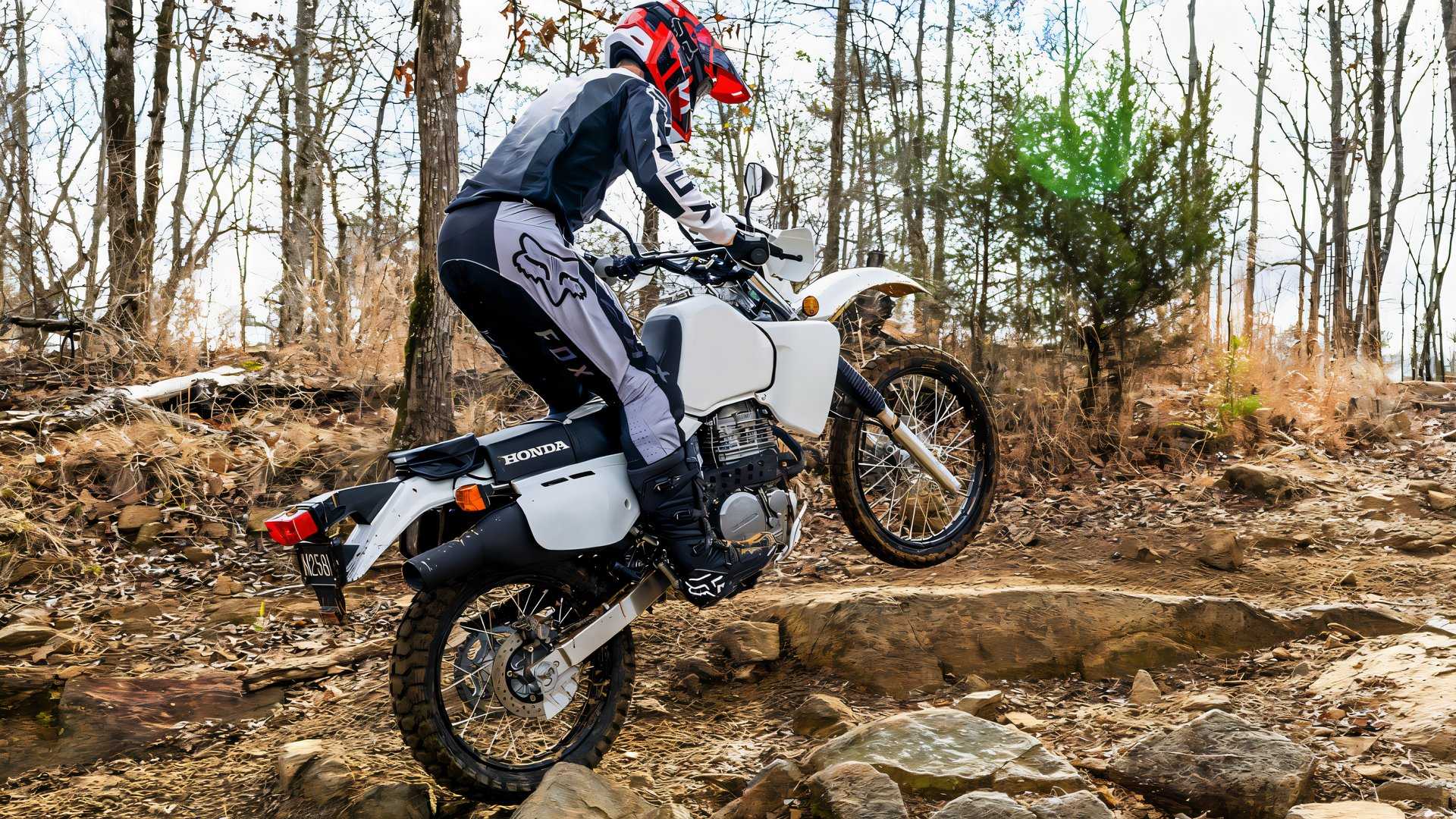
Despite these strengths, the suspension isn’t without its limitations. While it excels in off-road conditions, it can feel overly soft or wallowy on paved roads during long-distance cruising. The lack of adjustable preload or rebound damping means riders have limited ability to fine-tune the setup based on weight, load, or riding style. For those who frequently switch between trail and highway use, this may require some compromise in comfort and handling. Additionally, the suspension’s performance is most effective when the bike is ridden within its intended range—light to moderate loads and moderate speeds. Pushing it too hard on pavement or carrying heavy gear may expose its limits.
The Trade-Offs of a Classic Design
While the XR650L’s mechanical foundation is solid, it’s important to acknowledge that the bike carries the hallmarks of an older generation. One of the most noticeable differences compared to modern dual-sport motorcycles is the use of a carburetor instead of fuel injection. While carburetors are simpler and easier to maintain, they lack the precision and responsiveness of electronic fuel delivery systems. Cold starts can be inconsistent, and throttle response may feel slightly sluggish, especially in varying weather conditions. Fuel mixture adjustments also require manual tuning, which can be a challenge for riders unfamiliar with carburetor maintenance.
Electronic rider aids—such as traction control, ride-by-wire throttle, multiple riding modes, and quick shifters—are entirely absent. This absence makes the XR650L feel more like a traditional machine than a tech-forward adventure bike. Riders used to the convenience and safety benefits of modern electronics may find the experience somewhat raw or outdated. However, for purists who appreciate mechanical simplicity and hands-on riding, this can actually be seen as a positive.
Practical Considerations for Daily Use
The seat height of approximately 37 inches is another factor worth considering. While this might not seem high at first glance, it can present challenges for shorter riders—especially when stopping at traffic lights or maneuvering through tight spaces. Finding both feet flat on the ground while stationary requires some flexibility and practice. For riders below 5’4”, the stretch to touch the ground could lead to instability or discomfort during low-speed riding.
Highway performance is another area where the XR650L shows its age. The single-cylinder engine, while reliable and torquey at lower RPMs, tends to get busy and noisy at sustained higher speeds. Without wind protection beyond a basic windshield, the rider is exposed to strong airflow, leading to fatigue on long rides. The 2.8-gallon fuel tank offers decent range—around 150–180 miles depending on riding style—but it falls short of touring bikes designed for cross-country journeys. Frequent refueling stops become necessary for extended trips, making it less ideal for long-distance touring.
A Versatile Machine with Realistic Expectations
In essence, the Honda XR650L is a do-it-all motorcycle that performs admirably across a wide range of environments—from city streets to forest trails. It’s capable of daily commuting, weekend adventures, and light off-roading with ease. But it’s not meant to replace a dedicated touring bike or a high-tech adventure model. Instead, it occupies a unique niche: a rugged, dependable machine built for fun, versatility, and mechanical honesty.
Its compromises—limited wind protection, no electronic aids, modest fuel capacity, and a relatively high seat height—are not flaws in the traditional sense but trade-offs inherent to its design philosophy. If you value simplicity, reliability, and a tactile connection to the road and trail, the XR650L remains a compelling choice. Just remember: it’s not about doing everything perfectly—it’s about doing a lot of things well, with character.