
Petrol Pumps Defy Closure Threat in UAE
High-Level Review of Fuel Subsidy Programme Underlines Government’s Commitment to Transparency and Inclusivity
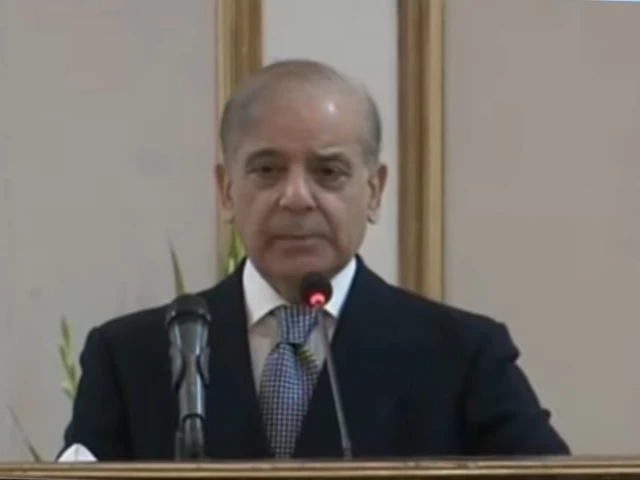
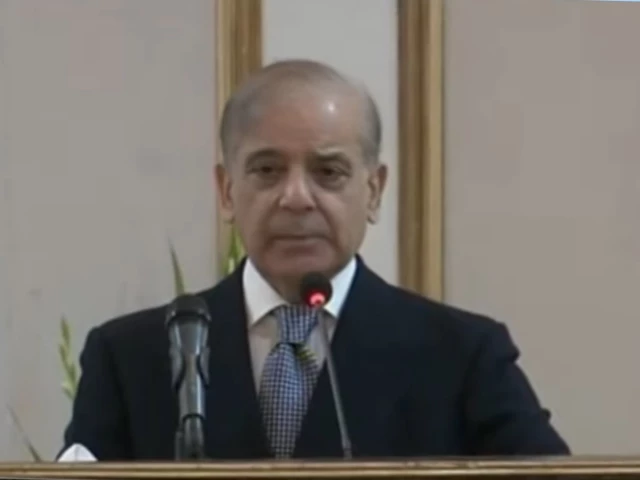
A pivotal high-level meeting convened by Prime Minister Shehbaz Sharif at the Prime Minister’s Office (PMO) in Islamabad underscored the government’s unwavering focus on ensuring the efficient and equitable rollout of the Prime Minister’s Fuel Relief Programme. The session, attended by key ministers, federal secretaries, and representatives from relevant regulatory bodies, aimed to assess the current status of the nationwide fuel subsidy initiative and identify critical areas for improvement.
The Prime Minister emphasized that access to subsidized fuel must be guaranteed for all eligible citizens, particularly those registered under the scheme. To enforce compliance, he issued a firm directive: petrol pumps found denying subsidised fuel to registered beneficiaries would have their operating licences revoked. This strict enforcement measure was intended to eliminate any form of discrimination or administrative obstruction that could hinder rightful recipients from accessing essential support.
Shehbaz praised the progress made so far, highlighting the success of recent reforms in simplifying the registration process. “Thanks to these improvements, more deserving citizens are now benefiting from this vital welfare programme,” he stated. He described the digital infrastructure underpinning the scheme as a potential “game-changer” for future public welfare initiatives, citing its transparency, efficiency, and real-time tracking capabilities.
As of the latest update, over 15.5 million citizens had registered under the programme. Of these, 15.06 million were motorcycle owners, while approximately 449,800 individuals owned small vehicles with engine capacities up to 800cc—targeting low-income commuters who rely heavily on affordable fuel. A total of 63.15 million fuel subsidy tokens had been distributed, with 59.45 million redeemed, reflecting a redemption rate exceeding 94%. This high uptake demonstrates strong public trust and effective implementation.
By November 4, the government had disbursed Rs28.6 billion in subsidies—equivalent to 38% of the total Rs75 billion allocated by the Economic Coordination Committee of the Cabinet on September 14. The remaining funds are being carefully managed to ensure sustained delivery throughout the fiscal year.
To enhance accessibility and address concerns promptly, dedicated call centres were established for both consumers and petrol pump operators. These helplines provide immediate assistance, allow users to report issues, and facilitate resolution of disputes related to token issuance, redemption, or eligibility verification.
Strengthening SMEs: Removing Barriers to Growth and Export Success
In a parallel development, the Prime Minister also chaired a crucial meeting focused on empowering export-oriented small and medium enterprises (SMEs). Recognizing the sector’s potential as a driver of economic growth, Shehbaz announced sweeping reforms designed to boost competitiveness and ease access to capital.
He directed that the long-standing requirement of 80% export performance be scrapped for SMEs seeking long-term financing. This change is expected to significantly expand credit availability for businesses that may not yet meet rigid export thresholds but possess strong growth potential.
Furthermore, the Prime Minister stressed that no financial institution should deviate from implementing the concessional financing scheme for SMEs and exporters. Strict adherence will be monitored through regular audits and performance reviews.
The government pledged full patronage and support for SMEs, including investments in capacity building, skill enhancement, and business development services. To streamline operations, the Prime Minister ordered upgrades to accreditation standards, expansion of testing laboratories, and digitization of regulatory procedures. Modern, mobile laboratory units will be deployed to offer exporters doorstep services, reducing delays and logistical burdens.
The meeting reviewed feedback gathered during recent consultations with SME associations. Key challenges highlighted included inconsistent tax treatment, delayed refund processes, provincial levies, payment bottlenecks, and complex documentation. The government has committed to addressing each of these issues through inter-ministerial coordination and policy revisions.
Deepening Ties with Sudan: A Partnership Built on Solidarity and Shared Vision
On the international front, Prime Minister Shehbaz Sharif hosted Lt General Babiker Samra Mustafa Ali, the Interior Minister of Sudan, during his official visit to Pakistan. The two leaders held constructive discussions on strengthening bilateral relations and exploring avenues for cooperation.
The Prime Minister welcomed Sudan’s leadership, reaffirming Pakistan’s longstanding commitment to the brotherly ties between the two nations. “We deeply value our historical connection with Sudan and hope to see it emerge from its current challenges as a peaceful, stable, and prosperous nation,” he said.
He outlined numerous opportunities for collaboration across sectors such as agriculture, defence, education, healthcare, and renewable energy. Pakistan also expressed interest in boosting trade and investment flows between the two countries, leveraging their shared cultural and institutional affinities.
Shehbaz emphasized Sudan’s active role in multilateral forums—including the United Nations, Organisation of Islamic Cooperation (OIC), and Group of 77 (G-77)—and affirmed Pakistan’s support for Sudan’s efforts in advancing regional stability and global equity.
The visit marked a renewed push toward deeper strategic alignment, with both nations poised to deepen cooperation in development, security, and humanitarian initiatives.