
Ancient Eats: History's Oldest Foods Unearthed
Food is more than just sustenance; it's a fundamental part of human existence, a practice deeply woven into our history. From the intricate planning and preservation of ingredients to the communal joy of sharing a meal, the act of eating has always been central to our lives. Every year, archaeologists and food historians unearth fascinating glimpses into the past, revealing not only what our ancestors consumed but also the ingenious methods they employed to preserve food for generations. These discoveries offer a literal taste of history, allowing us to connect with ancient cultures on a primal level.
A 2,400-Year-Old Culinary Relic
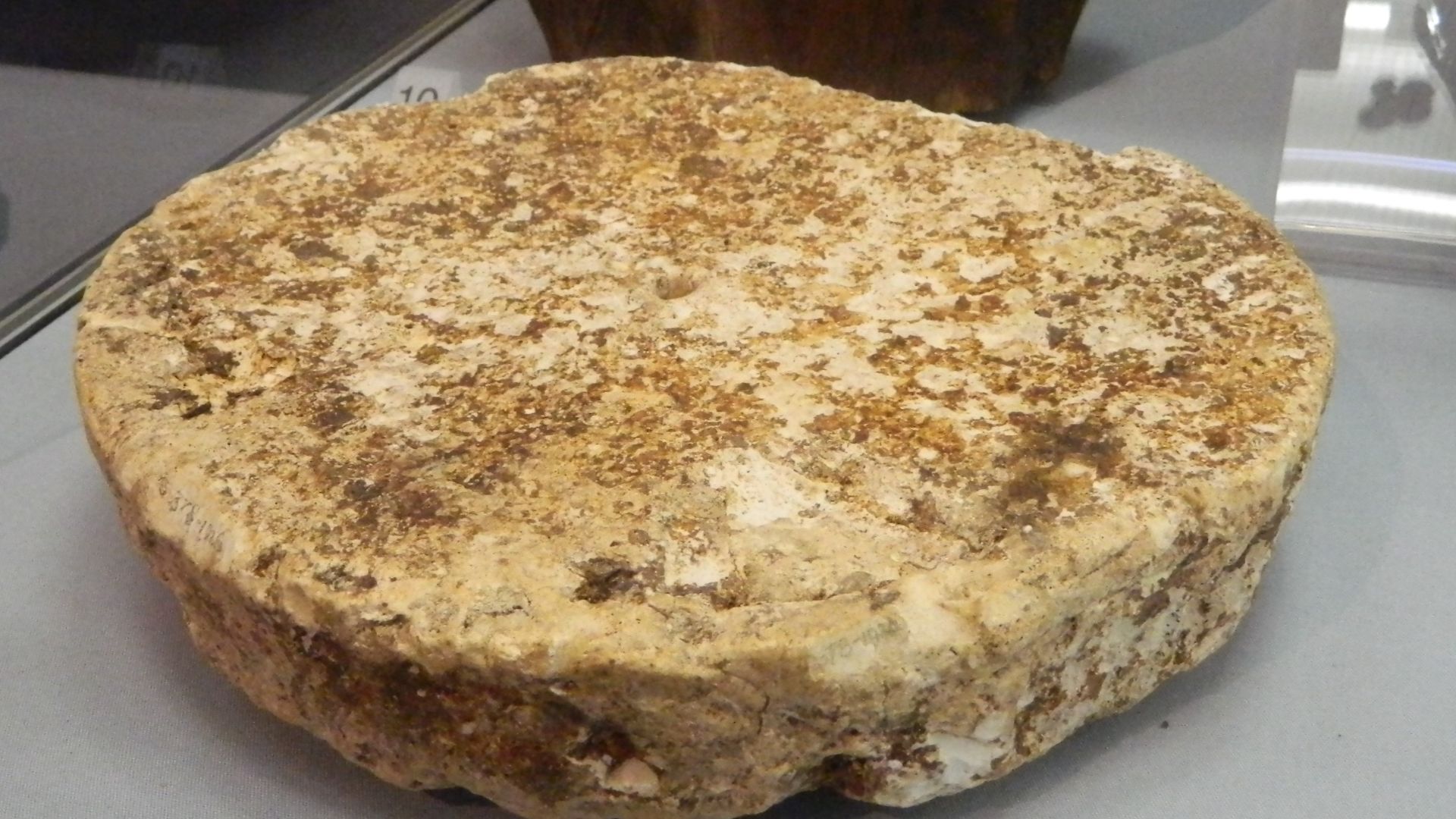 Among the most remarkable ancient food discoveries is a bowl of soup that has remarkably survived for an astonishing 2,400 years. Chinese archaeologists unearthed this ancient culinary treasure, sealed within a bronze cooking pot, in a tomb situated on the outskirts of Xi’an, a city renowned for its Terracotta Army and once the political heart of Qin Shihuang, the emperor who unified China in 221 B.C.
The pot itself, an impressive three-legged bronze vessel standing eight inches tall, was evidently designed for both cooking and serving meat. When researchers opened the sealed pot, the ancient soup within, containing several bones, was still liquid. While oxidation from the bronze had turned the soup a distinct green hue, the airtight seal of the tomb had prevented any evaporation, preserving its contents remarkably well.
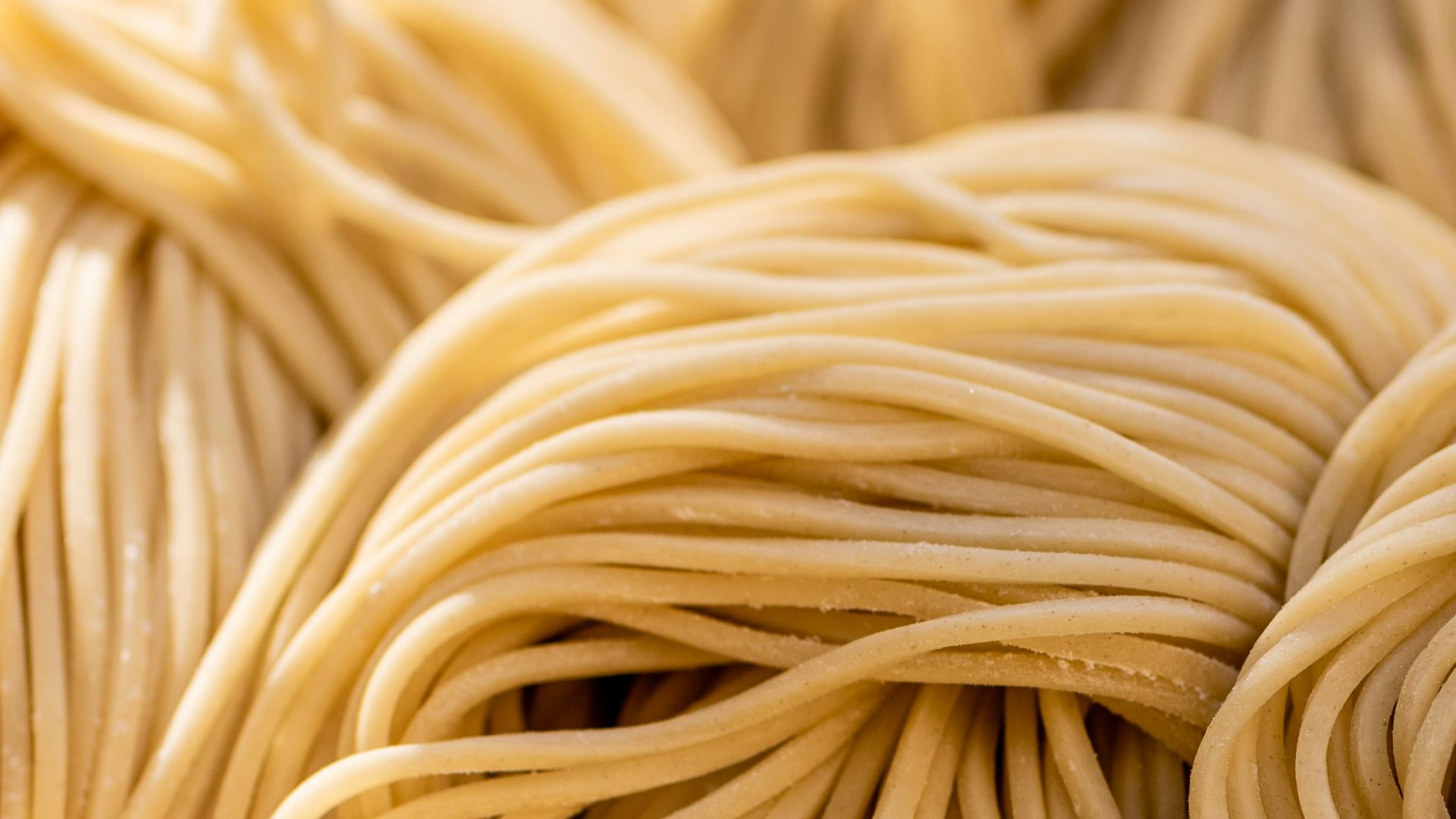
It's worth noting that this soup, while incredibly old, isn't the absolute oldest food ever found in a pot. Just five years prior to this discovery, a 4,000-year-old pot was unearthed near China’s Yellow River. This earlier find contained noodles, providing irrefutable evidence of the immense antiquity of Chinese culinary traditions.
Preserving Protein: 2,000-Year-Old Beef Jerky
 The art of preserving meat, particularly beef, has a history as long as that of noodle-making. A striking example of this ancient practice is a batch of beef jerky, cooked and dehydrated approximately 2,000 years ago, which was also discovered stored in a bronze pot. According to the Xi’an Lintong District Cultural Relics Bureau, the tomb where this preserved meat was found has been dated to the Warring States Period (475–221 B.C.). Hu Songmei, a paleontologist associated with the provincial archaeological institute, confirmed the findings, stating that the jerky underwent "several months of high-tech testing" to verify its age and origin. Although the meat was largely charred, scientists were able to definitively identify the original product as beef.
This remarkable find serves as a powerful testament to the sophisticated food preservation techniques employed by early humans. The practice of drying meats and other protein-rich foods has been a cornerstone of extending their shelf life since prehistoric times, a vital skill for survival and sustenance across millennia.
A Surprising Discovery: 3,200-Year-Old Egyptian Cheese
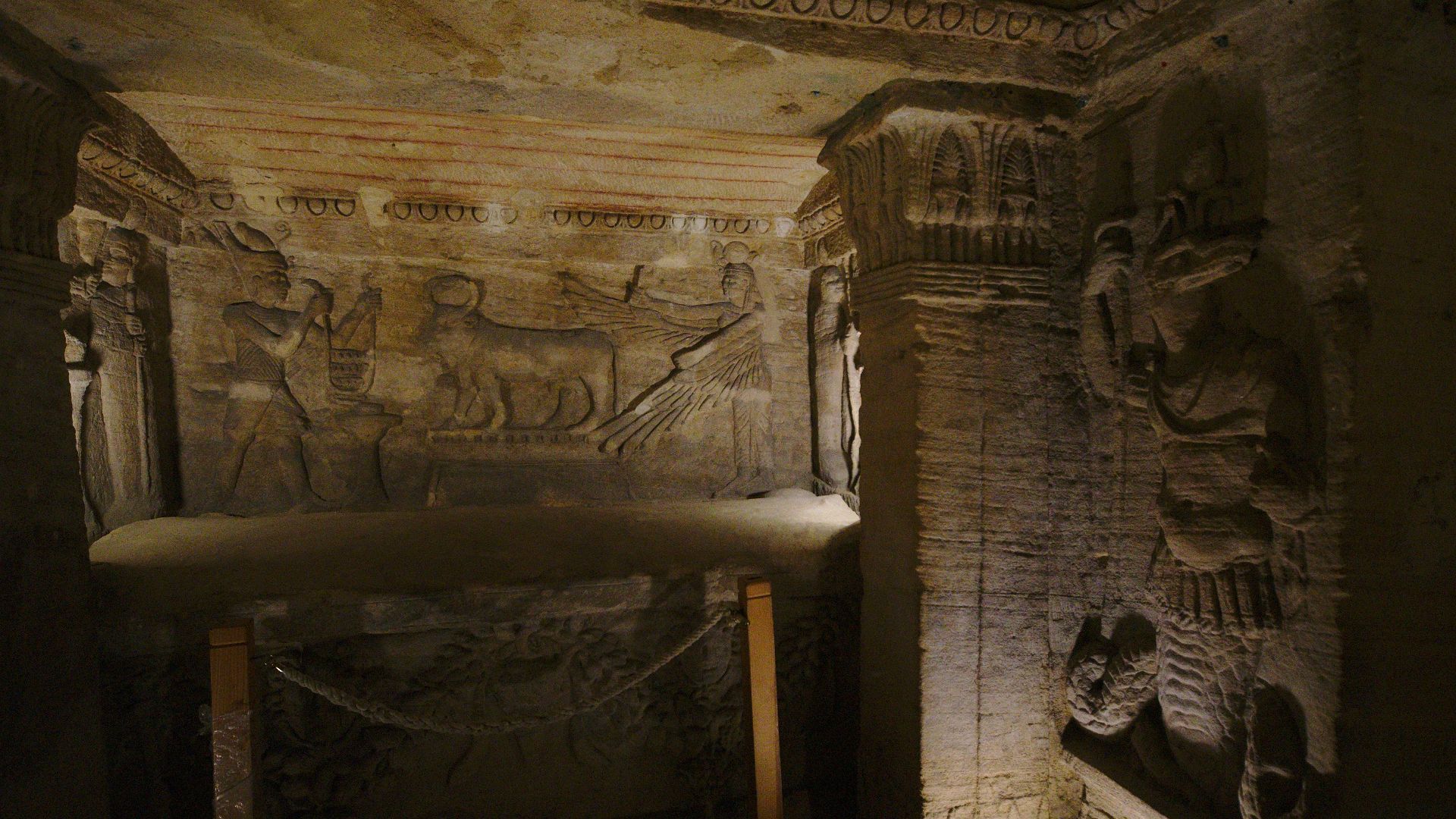
 Ancient Egyptian tombs have yielded countless treasures, offering invaluable insights into the lives of pharaohs and their subjects. However, "tomb cheese" was likely not something anyone anticipated finding. During excavations of the tomb of Ptahmes in 2013 and 2014, archaeologists made an astonishing discovery: jars containing cheese, hidden within the tomb's ancient walls. Subsequent analysis revealed that this cheese, an incredible 3,200 years old, was crafted from either goat or sheep milk. This find was particularly significant as, prior to this discovery, it was widely believed that the ancient Egyptians did not produce cheese. Further research on the cheese samples also uncovered traces of disease-causing bacteria, adding another layer of scientific interest to this ancient dairy product.
Post a Comment for "Ancient Eats: History's Oldest Foods Unearthed"