
UAE's Tourism Future: Emulating Europe's Classic Car Rally Success
Beyond the Roar: The Enduring Allure of Historic Car Rallies
As the engines of Formula 1 prepare to thunder across Yas Marina Circuit, the thrill of speed is undeniable. Yet, a different, more soulful automotive passion is quietly gaining momentum. This isn't about cutting-edge technology or aerodynamic perfection; it's a revolution fuelled by polished chrome, the scent of vintage oil, and the potent magic of memory.
A recent in-depth study, Driving Nostalgia: Historic Car Rallies and Heritage-Based Sport Tourism Experiences in Europe, sheds light on this burgeoning phenomenon. Researchers explored five of Europe's most celebrated rallies: the legendary Mille Miglia in Italy, Greece's Historic Acropolis Rally and the Philpa International Rally, the Rallye Monte-Carlo Historique, and Germany's Heidelberg Historic. The findings reveal a compelling truth: for most participants, the primary draw isn't the checkered flag, but a journey back in time.
Nostalgia as the Driving Force
The study, which involved 51 detailed interviews, uncovered that an overwhelming 84% of participants cited the desire to "relive the glory days" of classic motoring as their main motivation. Winning the competition was a secondary concern for fewer than one in ten. The raw authenticity of these events – the unfenced paddocks, the distinct aroma of engine oil, and the evocative vintage soundtracks – proved so captivating that attendees often extended their stays by an average of an extra day beyond their initial plans. This extended presence translated into significant economic benefits, injecting millions of euros into the rural economies that host these historic routes.
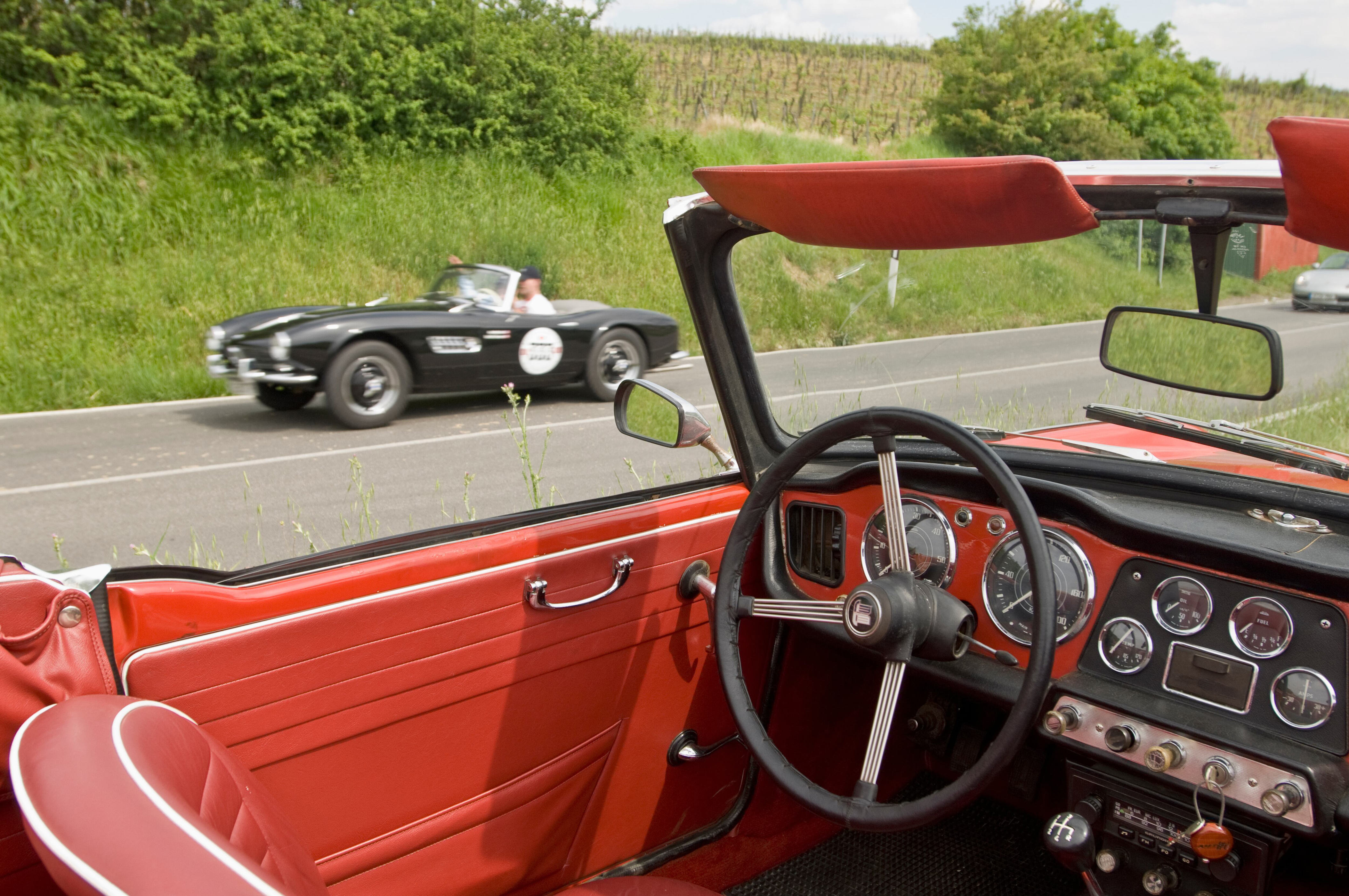
The sheer scale of these rallies underscores how deeply ingrained emotions can translate into tangible economic impact. The Mille Miglia, for instance, draws an estimated 600,000 spectators and features 400 classic cars annually, supported by a dedicated crew of 2,000 and numerous local sponsors.
In Greece, the Historic Acropolis Rally saw a remarkable increase in hotel occupancy in its mountainous host towns, rising by approximately 22% compared to weeks without the event, according to official tourism data. Furthermore, a significant finding was the powerful promotional impact of participants themselves. Nearly three-quarters of international drivers and spectators shared images and short videos of their host destinations online, effectively extending the reach of the event's appeal far beyond the finish line.
A Journey Through Time and Community
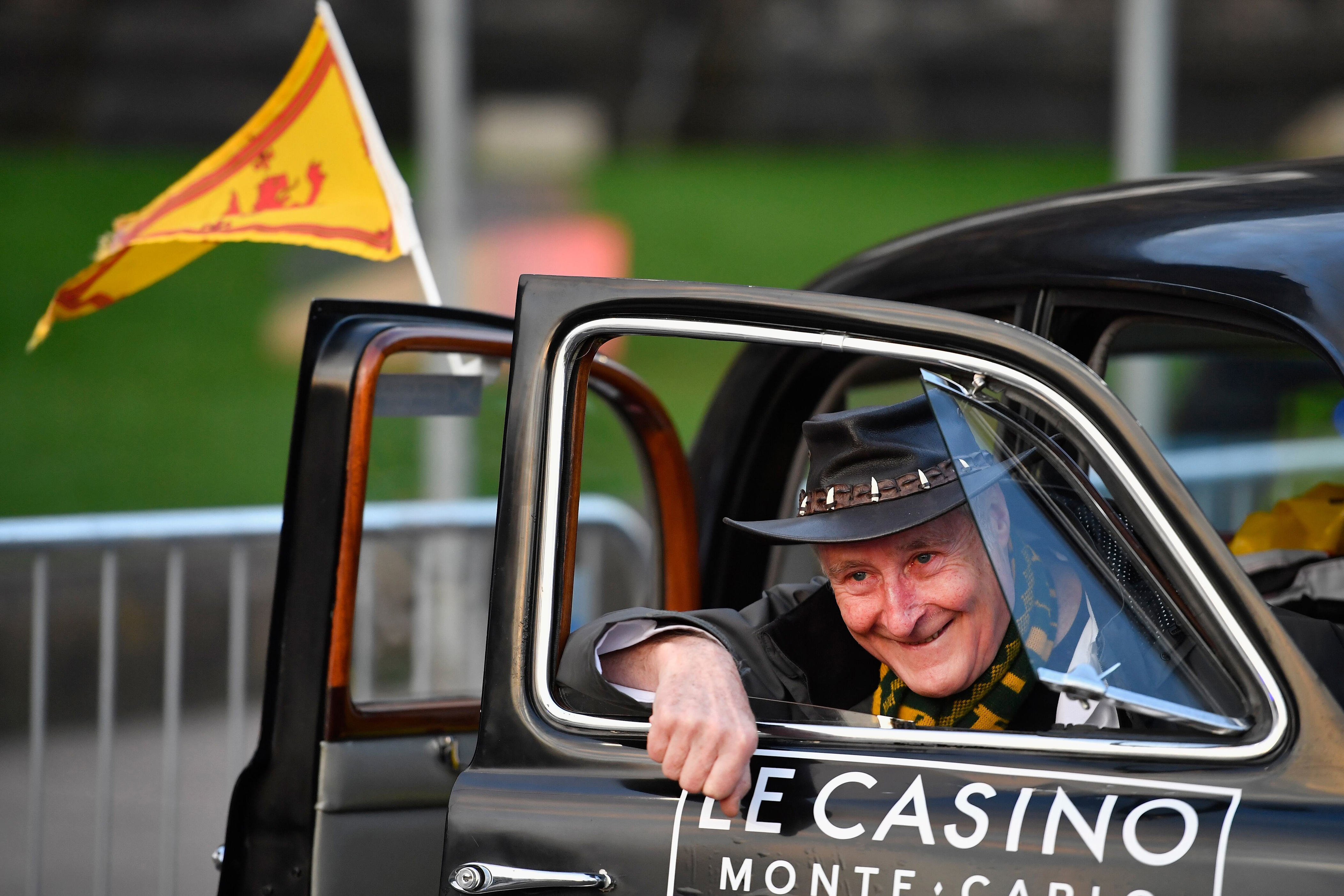
Participants frequently described their experience as a form of time travel. One 64-year-old driver articulated this sentiment, stating, "When the engine barked at the start ramp, I was 10 again, watching heroes on a black-and-white TV." Younger participants, who were not alive during the heyday of these iconic vehicles, joined with a desire to "experience real driving before it disappears," seeking a connection to a tactile and engaging automotive past.
What these rallies offer is more than just a race; they are, as the researchers term them, "mobile heritage museums." These are dynamic, moving exhibitions that showcase exquisite craftsmanship, foster a strong sense of community, and celebrate historical continuity.
The spirit of camaraderie is a cornerstone of this phenomenon. In one instance during a rally in Greece, a classic Porsche experienced a mechanical failure on a remote mountain stage. Mechanics from Italy, Germany, and the UK immediately converged to offer assistance. Local villagers provided support with torches and refreshments, and rival crews quickly transformed into friends.
During the events, over 40 spontaneous acts of assistance were recorded, demonstrating that the bonds of friendship frequently supersede competitive rivalries. "They became a family within minutes," one participant remarked, highlighting the profound sense of connection forged on the road.
The Economic and Social Dividends of Heritage
This powerful emotional resonance translates into measurable economic and social outcomes. Repeat visitation rates among participants consistently exceed 80%, with many already planning future excursions with family or fellow club members. This remarkable loyalty, coupled with substantial spending and a minimal environmental footprint, positions historic rallies as an exemplary model for what tourism planners refer to as "high-yield, low-density" events.
The study's insights also hold significant potential for adaptation beyond Europe. The United Arab Emirates, with its deeply ingrained car culture and profound appreciation for automotive design, is ideally positioned to cultivate its own version of these heritage-based rallies. Imagine a "Desert Miglia," a route tracing historic paths between Abu Dhabi, Al Ain, and Fujairah, expertly blending Emirati hospitality with the rich tapestry of global automotive history. Such an initiative could effectively extend the tourism season, distribute economic benefits to smaller communities, and celebrate the nation's dual embrace of cutting-edge innovation and cherished tradition.
While accessibility can be a hurdle – the restoration of a classic car can exceed Dh150,000, limiting participation to more affluent enthusiasts – a growing number of clubs are actively addressing this. Many now facilitate vehicle loans to younger drivers or sponsor apprenticeships in restoration workshops. These initiatives ensure that vital mechanical skills and a deep cultural appreciation for these automotive treasures are passed down to the next generation, transforming heritage from a static display into a vibrant, living educational experience.
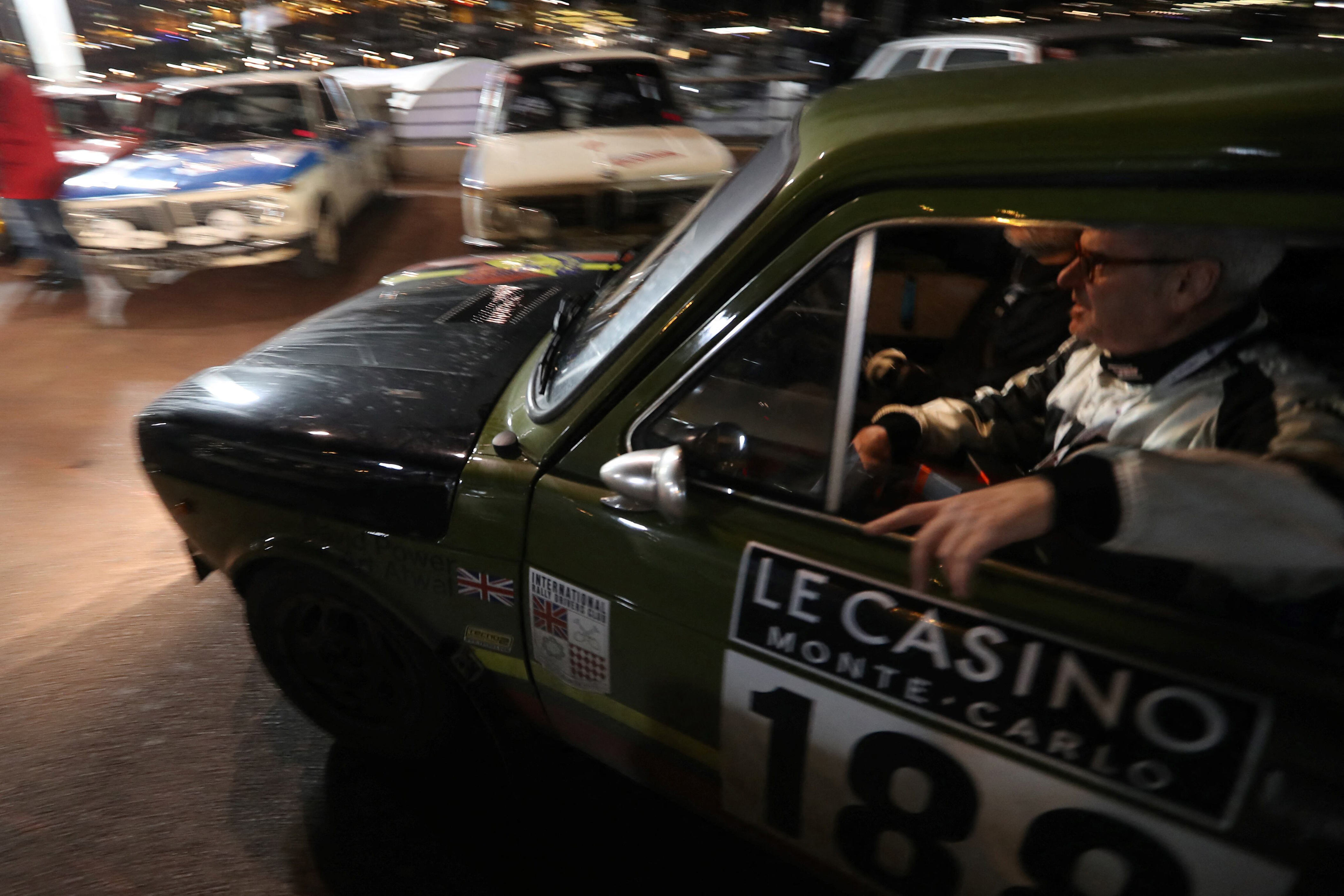
For those who participate, the rewards are as much emotional as they are mechanical. The study documented instances of tears at start lines, heartfelt embraces between strangers, and lifelong friendships forged during roadside repairs. Long after the final checkered flag falls, digital groups and club meetings continue to sustain what one participant aptly described as "a travelling republic of friendship."
In an era saturated with digital distractions, the visceral sound of a meticulously rebuilt engine offers something increasingly rare: authentic human connection.
As Abu Dhabi gears up to host the world's most advanced racing machines, the lessons from Europe's historic rallies are clear: progress and preservation can indeed coexist on the same road. While classic cars may appear as relics of a bygone era, they carry perhaps the most relevant lesson for our modern world: technology advances at a breakneck pace, but it is heritage that ultimately keeps us grounded.
Anestis Fotiadis, is a professor and assistant dean of research and outreach for the College of Business, Zayed University, Abu Dhabi.
Post a Comment for "UAE's Tourism Future: Emulating Europe's Classic Car Rally Success"